How to Filter Through Traffic Without Getting Clipped
For many Malaysian riders, filtering through traffic is a daily reality. But it's also risky if not done right. This guide breaks down the skills and awareness you need to navigate between cars without ending up in a collision. From pre-ride checks to reading driver intentions, here's how to stay safe while saving time.
Know the Rules and Reality of Filtering in Malaysia
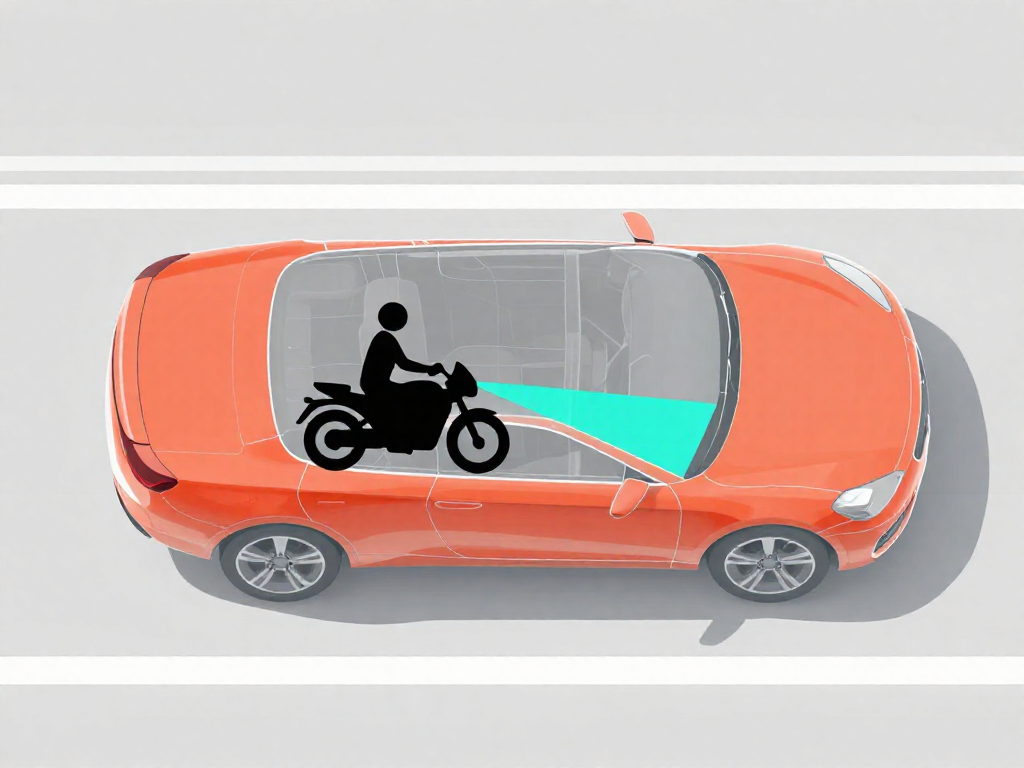
In Malaysian cities, filtering through stationary or slow‑moving traffic is a daily necessity for many riders. The law does not explicitly permit lane splitting, but it is widely tolerated as long as riders do so responsibly and without endangering others. This tolerance is a privilege that can be revoked if abused, so it’s essential to understand the unwritten rules that keep everyone safe.
Unlike some countries where filtering is formally regulated, Malaysia relies on a mix of common sense and peer‑enforced norms. Here are the key realities:
- Legality: There is no specific clause in the Road Transport Act that legalizes lane splitting, nor is there a direct prohibition. Enforcement generally focuses on reckless riding, so staying smooth and predictable is your best defence.
- Where it’s needed: Typical scenarios include the infamous crawl along the Federal Highway, the LDP, or the MRR2 during peak hours. At traffic lights, riders commonly move to the front of the queue to avoid being sandwiched between cars.
- Rider etiquette: Signal your intentions early, avoid sudden movements, and keep your speed differential to no more than 10‑15 km/h relative to traffic. A quick wave or a gentle tap of the horn can communicate your presence to drivers.
- Unwritten priorities: Never filter past heavy vehicles or buses on the left; stick to the rightmost lanes where drivers expect faster traffic. Be extra cautious near junctions and driveways where cars might suddenly switch lanes.
Understanding these norms not only keeps you out of trouble but also earns respect from other road users. Filtering is a skill that, when done with care, makes commuting on two wheels the most efficient way to navigate our bustling streets.
Pre-Filtering Checks: Bike, Gear, and Mindset
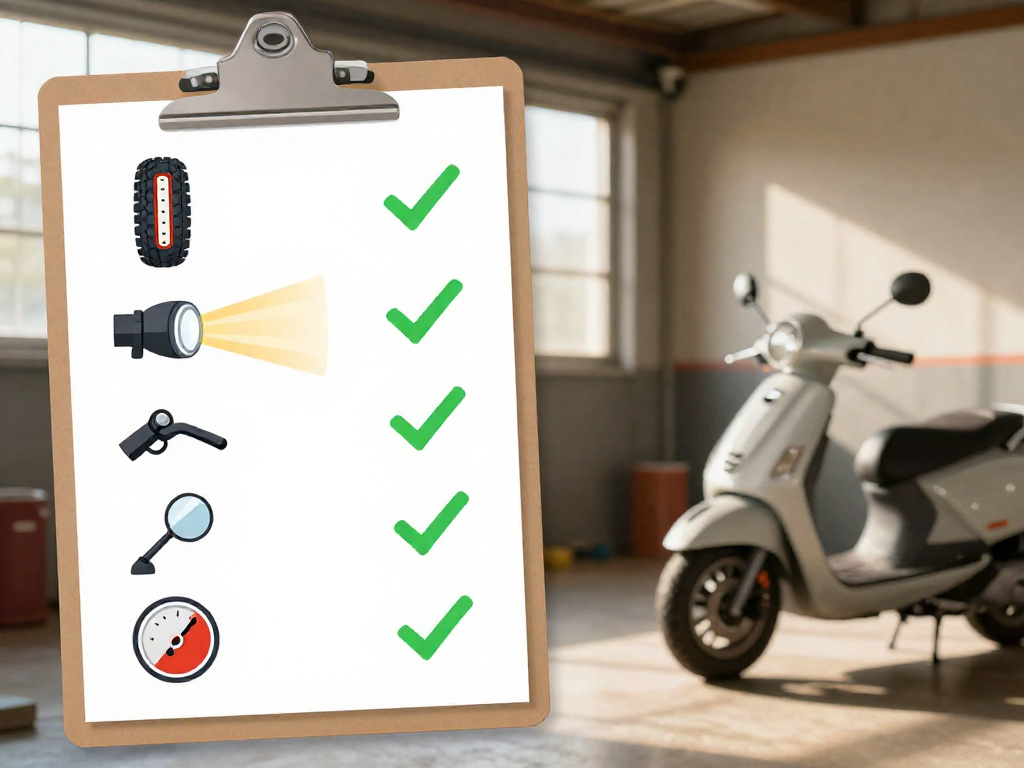
Before you slip between lanes, take a moment to run through a quick pre-ride routine. A fast walkaround can catch issues that become dangerous at low speed: ensure your mirrors are clean and angled correctly so you can see not just behind but also into adjacent lanes, check that both brake levers feel firm and that the tires have proper tread and pressure. Tap the horn and toggle your lights—both are your primary warning tools when other drivers might not check their blind spots.
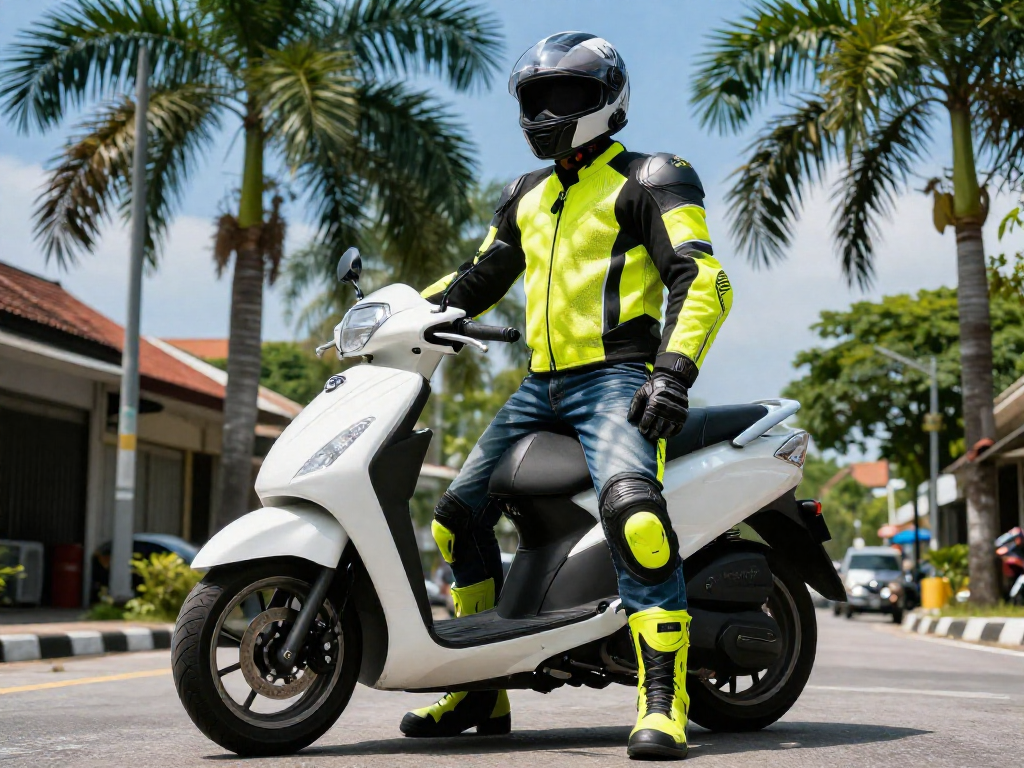
Gear matters just as much on a 3 km commute as on a weekend ride. A full-face helmet is non-negotiable; it protects your chin and jaw in the most common low-side falls. Pair it with a jacket that has CE-rated armor in the shoulders and elbows, sturdy gloves with palm sliders, and closed shoes with ankle coverage. In Malaysia’s tropical heat, ventilated mesh gear keeps you cool without sacrificing protection.
Your mental state is equally critical. Filtering demands complete focus and a calm, patient attitude. Leave your ego at home: the goal is to reach your destination safely, not to win an imagined race. If you’re tired after a long day at work or frustrated by something else, your reaction times slow and judgment suffers—pull over for a few deep breaths or just ride behind the cars until your head clears. Always expect the unexpected; anticipate that a car might change lanes without signaling or that a door might open. A defensive mindset keeps you alert.
Finally, adjust your plan for the weather. After a sudden tropical downpour, roads become slick with oil and loose grit, dramatically increasing stopping distances. Your vision may be blurred by rain on the visor, and drivers’ mirrors often fog up. In these conditions, reduce your filtering speed, leave bigger gaps, and use a gentle throttle hand to avoid wheelspin on painted lines. If the rain is so heavy that you can barely see a few meters ahead, it’s wiser to wait it out under a flyover than to push through uncertainty.
Mastering Filtering Techniques and Positioning
Choosing the right moment to filter is your first skill. Only proceed when traffic is slow enough—ideally crawling below 30 km/h—and the gap between lanes is at least a metre wide on each side of your bike. If you find yourself having to squeeze handlebars past mirrors, the gap is too tight. Patience here prevents the most common filtering mishaps.
Once you’re moving, manage your speed differential carefully. Aim to creep ahead at no more than 10 to 15 km/h faster than the cars around you. This modest advantage keeps you progressing while leaving enough reaction time if a car drifts or a door swings open unexpectedly. Sudden bursts of speed not only startle drivers but also shrink your safety margin.
Your road position is your best defence. In slower-moving traffic, staying near the centre of the lane gives you a clearer view and more escape options. As you filter, avoid hugging one side; instead, use a gentle weaving motion within the lane to keep yourself visible in side mirrors. This defensive weave—barely a bike’s width side-to-side—makes you much more noticeable without appearing aggressive. Never linger in blind spots, especially alongside a car’s rear quarter, where a driver may not see you before changing lanes.
Communication matters, but less is often more. A light tap of the horn or a quick flick of the headlight can alert a driver who seems unaware, but avoid laying on the horn or revving loudly. Such actions can startle and provoke. Instead, rely on steady, predictable positioning; most attentive drivers will spot you if you’re where they expect to look.
Keep your eyes scanning well ahead. Watch for brake lights flickering, gaps starting to close, or front wheels turning—these are early signs a vehicle might move into your path. Don’t fixate on the bumper immediately in front of you. A wide, high scan lets you anticipate trouble and adjust your speed or line smoothly, keeping your filtering flow both efficient and safe.
Reading Driver Behavior and Avoiding Common Dangers
Filtering demands more than just handling your bike—it’s about understanding the drivers around you. One of the biggest threats is a car changing lanes without signaling, especially near highway exits or junctions. Always scan for subtle cues: front wheels starting to turn, a driver’s head tilting to check mirrors, or the vehicle inching ever so slightly sideways. These small movements often reveal intentions before a signal ever flashes.
In stationary traffic, keep a buffer zone away from car doors. A door suddenly flung open can cause a devastating collision, so glance through rear windows for occupants and give vehicles a wide berth whenever possible. Similarly, never assume a driver sees you. If you’re beside a larger vehicle like a bus or lorry, remember their blind spots are extensive—if you can’t see their side mirrors, they likely can’t see you. Give these giants extra room and avoid lingering alongside them.
Always anticipate abrupt braking. In stop-and-go traffic, maintain an escape path: identify gaps to your left or right where you can safely steer into if the car ahead slams the brakes. Keep your eyes up, looking several vehicles ahead, so you’re never caught off guard by a sudden chain reaction. By staying alert to these patterns and maintaining a defensive mindset, you’ll navigate even the most tangled Malaysian jams with far greater safety.
What to Do If You Get Clipped or Fall
Even the most cautious rider can end up in a tangle. If a car clips you or you lose balance while filtering, staying level-headed is your first priority.
- Check yourself first. Take a moment to breathe and assess any pain. Don’t rush to stand up—adrenaline can mask injuries.
- Get to safety. If you’re able, move to the roadside or a designated safe zone away from moving traffic. Turn on your hazard lights if possible. This helps prevent a secondary collision.
- Exchange information with the other driver (if involved). Politely ask for their name, phone number, vehicle registration number, and insurance details. Take clear photos of both vehicles, the surrounding scene, and any damage. Avoid lengthy discussions about fault—just gather the facts.
- Photograph everything. Capture the position of the bike and car, road markings, and relevant signs. These images can be invaluable later when explaining what happened.
- If it’s a serious incident, call for assistance and make a police report as required by Malaysian law. For minor scrapes, you and the other party might agree to settle amicably, but always notify your insurance provider as soon as you can to stay on the safe side.
- Reflect afterwards. Once you’re home and calm, think about what went wrong. Was a car’s blind spot bigger than expected? Did you misjudge a gap? Learning from the experience is how you grow as a rider.
This is general sharing, not formal medical or legal advice. When in doubt, always consult the proper authorities.
Building Confidence Through Practice
Filtering is a skill that grows with consistent, mindful practice. Instead of thrusting yourself into the densest, fastest-moving traffic right away, start by building muscle memory in calmer, more predictable settings. On quiet residential streets or during off-peak hours on familiar routes, practise low-speed riding and gentle weaving between imaginary obstacles. This helps you internalise clutch control, throttle finesse, and balance without the pressure of real traffic.
Riding alongside experienced filtering riders can accelerate your learning. Join group rides or follow a friend who is a confident, safe filterer—observe how they position their bike, scan for gaps, and respond to changing conditions. Don’t be shy to ask questions afterward; most riders are happy to share what they’ve learned from years of navigating Malaysian roads.
Formal training is another powerful confidence builder. Consider enrolling in a defensive riding course offered by local riding schools or safety organisations. These programmes often include practical filtering exercises under expert supervision, giving you immediate feedback on your technique in a controlled environment.
Finally, make self-review a habit. After each ride, take a moment to reflect on what went well, what felt awkward, or where you hesitated. Over time, you’ll spot patterns—such as a tendency to misjudge closing speeds or to drift too close to certain vehicles—and can adjust accordingly. Jotting down notes or discussing experiences with fellow riders can turn every commute into an opportunity to improve.
FAQ
Is filtering through traffic legal in Malaysia?
In Malaysia, lane filtering is not explicitly legalized and can be considered improper lane usage. However, it is widely practiced and generally tolerated by authorities as long as it is done safely and at low speeds. Riders should exercise caution and be aware that they may still be liable in the event of an incident.
What is the recommended speed for filtering?
The safest speed for filtering is between 10 to 20 km/h, adjusting to slower speeds in dense or unpredictable traffic. Maintaining a low speed gives you more reaction time and helps prevent sudden contact with vehicles. Always keep it slow enough that you can stop quickly if needed.
How can I avoid hitting car mirrors?
Position your scooter or motorbike in the center of the lane gap and keep a steady, predictable path. Tuck in your elbows and consider retrofitting foldable mirrors on your bike to reduce width. Stay alert for cars that may move abruptly and avoid filtering past large vehicles where visibility is limited.
What’s the biggest mistake new riders make when filtering?
The most common mistake is filtering too fast without considering sudden vehicle movements or door openings. New riders also often fixate on the car ahead instead of scanning for gaps and potential hazards further down the road. Always assume other drivers haven’t seen you and be ready to brake.
Should I use my hazard lights while filtering?
It is not recommended to use hazard lights while filtering, as they can confuse other drivers by overriding your turn signal intentions. Hazard lights should be reserved for emergency stops or when your vehicle is disabled. Instead, use your normal headlight and, if necessary, gently flash your high beam to increase visibility.