Common Beginner Mistakes That Lead to Falls
Every rider remembers their first tumble – that heart-stopping moment when a simple mistake sent them sideways. Often, falls happen not because of bad luck, but due to avoidable beginner errors. In this guide, we break down the most common mistakes new riders make that lead to falls, and how you can ride smarter, especially on Malaysian roads.
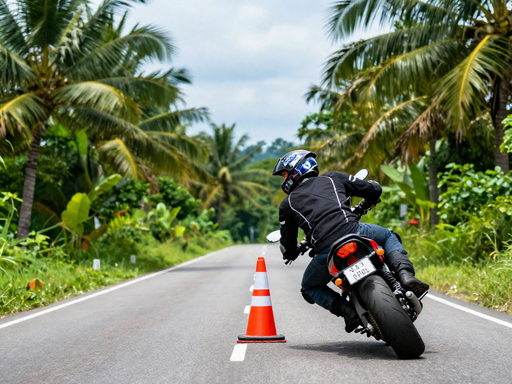
Grabbing a Fistful of Front Brake
New riders often panic and grab a handful of front brake when they need to stop quickly. This instinctive reaction can lock the front wheel, especially on slick surfaces like the painted road lines common at Malaysian intersections or on rain-soaked asphalt. A locked front wheel skids instantly, and without the gyroscopic stability of a spinning wheel, the bike will tip over almost before you know what’s happened.
Instead of grabbing, practice progressive braking. Start by gently squeezing the lever to transfer weight onto the front tire, which increases grip. Then smoothly increase pressure. On a scooter with combined braking (like many models on Malaysian roads), the system helps distribute force, but you should still consciously apply the rear brake as well. Using both brakes shortens stopping distance and keeps the chassis settled. When riding after a tropical downpour, give yourself extra space and brake earlier, using these light, progressive inputs.
To build muscle memory, find an empty parking lot and practise hard stops from 30 km/h. Focus on squeezing the lever progressively rather than snatching it. Spend ten minutes on this before your next rainy commute—it could save you from a painful fall when a car pulls out unexpectedly.
Target Fixation and Cornering Blunders
Target fixation is a common trap for new riders: your eyes lock onto a pothole, a roadside barrier, or an oncoming car, and your brain subconsciously steers the bike right toward it. In corners, this often means staring at the outside kerb or a tree you’re afraid of hitting, causing you to drift wide and off the road. The fix is simple but requires practice: keep your head up and look where you want to go, not at what you want to avoid. Scan ahead through the turn, picking up the exit point early to maintain a smooth, steady arc.
To build this habit, find an empty parking lot or a quiet road with wide bends. Approach a corner at a moderate speed, then consciously: - Slow: scrub off speed before entering, not mid-turn. - Look: turn your head and eyes to where you need the bike to end up, ideally the farthest visible point. - Lean: press gently on the inside handlebar and let the bike lean naturally. - Roll on: once committed, smoothly open the throttle to settle the suspension and carry you out.
Repeat this “slow, look, lean, roll” sequence until it feels automatic. With muscle memory, you’ll soon corner with confidence instead of panic.
Low-Speed Wobbles and Clutch Control
Manoeuvring at walking pace can feel more precarious than riding faster, and many new riders in Malaysia encounter this when filtering through traffic or navigating parking lots. The root cause is often poor clutch and throttle coordination, which leads to jerky movements, stalling, or tipping over. Instead of coasting with the clutch fully pulled in, learn to use the friction zone---the point where the clutch plates just begin to engage. Hold the lever there and apply a gentle, steady throttle to maintain smooth power delivery. To build confidence, practise figure-eights and tight U-turns in a safe, empty space such as a stadium car park. Let your head and eyes guide the turn, keep your body relaxed, and resist the urge to chop the throttle. With repetition, you will glide through low-speed situations without wobbling or sudden falls.
Underestimating Road Conditions
Many new riders focus on traffic and controls but overlook the road surface itself. In Malaysia, sudden tropical downpours, scattered sand, and slick painted lines can catch you off guard. Understanding how these conditions affect grip is key to staying upright.
Slippery surfaces and how to handle them
Loose gravel, builders' sand, and wet white lines are especially treacherous. When you ride over gravel or sand, traction drops sharply because the surface can shift under your tyres. Keep the bike as upright as possible, avoid sudden throttle or braking, and steer gently. Painted road markings and metal manhole covers become extremely slippery when wet – so try not to brake or accelerate hard while crossing them. If you must go over them, maintain a steady speed and light grip on the handlebars.
Riding through Malaysian rainstorms
Heavy rain reduces visibility and tyre grip. The first few minutes after rain begins are the most dangerous, as oil and dust rise to the surface. Cut your speed early and increase following distance to at least four seconds. Avoid deep puddles that could hide potholes. Use gentle, progressive inputs: smooth throttle, soft braking, and gradual steering. If the rain is too heavy, pull over safely and wait it out.
Tyre maintenance for reliable grip
Your tyres are your only contact with the road. Check the pressure every week using a reliable gauge – underinflated tyres overheat and lose grip, while overinflated ones reduce the contact patch. Refer to your bike's owner's manual for the correct pressure (usually lower for a lighter scooter). Inspect tread depth regularly; the legal minimum is 1.6 mm, but for Malaysian downpours, consider replacing tyres earlier to maintain water-channelling ability. A worn tyre can't disperse water effectively, drastically increasing the risk of aquaplaning even at moderate speeds.
Skipping Pre-Ride Checks and Inadequate Gear
Many new riders treat pre-ride checks and protective gear as optional, especially for a quick trip to the kedai kopi or a short commute. But a loose chain, under-inflated tyre, or a burnt-out brake light can turn a routine stop into a sudden fall. Mechanical failures often strike without warning, and without the right gear, even a low-speed spill can lead to painful road rash or worse.
A pre-ride inspection takes only a minute and drastically reduces the chances of a mechanical surprise. Start with the tyres: check pressure and look for cuts or embedded objects. Squeeze both brake levers to ensure they engage firmly and fully. Confirm headlight, taillight, brake light, and signals are working. For chain-driven bikes, verify tension and lubrication. Glance at fluid levels if your model has a sight glass. These simple habits form a safety net that keeps you in control.
Equally critical is your riding gear. In Malaysia’s tropical heat, it’s tempting to ride in a t-shirt and slippers, but skin offers zero protection against asphalt. At minimum, always wear a certified helmet, securely fastened. A proper riding jacket with elbow and shoulder armour, gloves, and sturdy closed shoes or boots shield you from abrasion and impact. This gear doesn’t just reduce injury severity—it also builds confidence. When you know you’re protected, you can focus fully on the road, not on the fear of falling. Make pre-ride checks and full gear non-negotiable, even for short rides. The small effort upfront can prevent a minor slip from becoming a serious setback.
FAQ
What should I do immediately after a fall?
First, check yourself for injuries and move to a safe spot away from traffic if you're able. Assess your bike for critical damage like fluid leaks or broken controls, and contact a friend or tow service if it's unrideable. In Malaysia, remember to file a police report if there are injuries or third-party damage.
How can I practice braking safely as a beginner?
Use an empty parking lot or a quiet residential street to practice smooth, gradual braking with both front and rear brakes. Avoid grabbing the front brake abruptly, and focus on progressive pressure to prevent skidding. In Malaysia, consider enrolling in a riding school or practicing during off-peak hours when roads are less crowded.
Is it normal to drop my bike as a new rider?
Yes, dropping your bike is common for beginners, especially during low-speed manoeuvres or when stopping on uneven surfaces. It’s part of developing balance and control, and fitting crash protection can minimise damage. With regular practice on Malaysian roads, these incidents become less frequent as confidence grows.
How do I overcome the fear of falling after an accident?
Start by riding in familiar, low-traffic areas to rebuild comfort and focus on smooth control inputs. Acknowledge the fear without rushing, and consider a refresher course to strengthen fundamental skills. Many riders regain confidence gradually by setting small, achievable riding goals.
What are the most important motorcycle safety tips for Malaysian roads?
Always wear a certified helmet, protective jacket, and closed shoes to guard against both weather and accidents. Stay visible with bright gear and keep an eye out for potholes, sudden rain, and drivers’ blind spots. Ride defensively, obey speed limits, and avoid aggressive filtering to stay safe in Malaysia’s mixed traffic conditions.