Riding in Tropical Rain: How to Stay Upright and Visible
Start with a relatable scenario: 'You're halfway through your commute when the sky opens. Visibility drops, roads become slippery—stay calm. Here's how to handle Malaysia's sudden tropical storms like a pro.'
Gear Up for Wet Weather
When the tropical downpour hits, the right gear makes the difference between a miserable ride and arriving dry and focused. Start with a waterproof jacket and overpants that have sealed seams—look for models designed for heavy rain, not just a light shower. Pair them with an anti-fog pinlock visor on your helmet, or keep a defogging solution handy so your sight stays crystal clear when humidity spikes.
Visibility drops fast in the rain, so make yourself impossible to miss. Choose gear in high-visibility colors like neon yellow or bright orange, ideally with large reflective panels that catch headlights. Your hands and feet need protection too: waterproof gloves with silicone grips help you maintain control, and boot covers or dedicated rain boots stop soaked socks from distracting you.
Finally, always stash a compact rain suit under your seat. Malaysian weather can change in an instant, and being able to pull over and layer up quickly keeps you out of the worst of it.
Seeing and Being Seen
In a tropical downpour, visibility drops to just a few metres—and even if you can see, you might be invisible to others. The first and easiest step is to keep your low beam headlights on at all times. In Malaysia, JPJ already mandates daytime running lights for motorcycles, but during rain, low beams cut through the gloom without the blinding reflection that high beams cause. High beams bounce off rain and spray, creating a white wall that disorients both you and oncoming drivers.
Your tail and brake lights are just as critical. Before every ride, quickly wipe them clean with a damp cloth—road grime builds up fast in wet conditions and can dim your signals by half. A quick press of the brake lever while stationary lets you confirm they’re working.
For side visibility, where many collisions happen, reflective tape is a cheap lifesaver. Stick it on your helmet, jacket sleeves, and the sides of your bike’s bodywork. Even a few strips catch headlights from the side and make you stand out at junctions. In heavy rain, cars often don’t see a scooter until it’s too late, so this passive visibility is essential.
Finally, leave more space than usual. On wet Malaysian roads, braking distances double, and sudden stops are common. A three-second gap to the vehicle ahead gives you time to react without panic-braking and losing traction. It also keeps you out of the spray zone, where vision drops to zero.
Reading Road Surface Hazards
In tropical rain, the road becomes a mosaic of slippery traps. Understanding what’s under your tires is just as important as staying visible. Here’s how to read the surface and keep the rubber side down.
Slick spots to avoid
Painted lane markings, crosswalks, and logos turn into ice-like patches when wet. Metal manhole covers and drainage grates are equally treacherous—approach them upright and without sudden inputs. Tar snakes, those wavy lines of bitumen used to seal cracks, soften in heat and get greasy in rain; steer clear when possible, and if you must cross them, do so with a steady throttle.
Hidden dangers beneath the water
Pools of water near the curb, at intersections, or under bridges often conceal potholes or uneven edges. Ride around them or slow to a crawl. If you can’t see the bottom, assume trouble. In heavy downpours, water can accumulate rapidly on Malaysian roads, especially near monsoon drains or low-lying areas—exit the lane if the water seems too deep for your scooter’s air intake.
Crossing metal and tracks
Railway crossings and steel plates at construction sites deserve special care. Cross them at a sharp angle to reduce your wheel’s contact patch with the metal. Keep your momentum steady and avoid braking or accelerating abruptly while on the metal. For longer sections, stand slightly on the pegs to let the bike absorb the slipperiness without unsettling your balance.
Braking and speed control
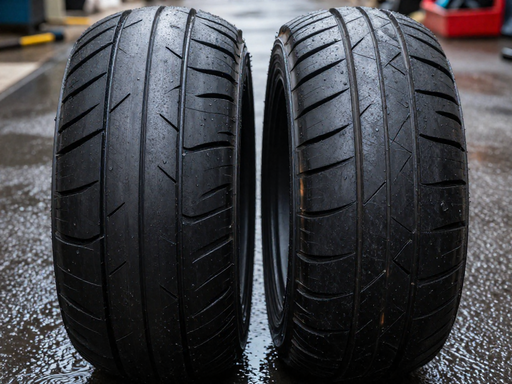
The key to surviving a tropical downpour is progressive braking. Apply both brakes simultaneously, but shift your weight toward the rear of the bike as you feather the front lever. This gives the front tire a lighter touch and helps avoid locking up. Reduce your speed before you hit a known slippery area; sudden deceleration mid-patch can cause a slide. If your tires are wearing low, replace them—worn tread dramatically increases the risk of aquaplaning even at moderate speeds.
The aquaplaning threat
Aquaplaning happens when water builds up between the tire and the road, causing loss of grip. It feels like the bike suddenly becomes loose. To prevent it, keep your speed down, especially on highways where standing water can catch you off guard. If you feel the front tire lift, don’t slam the brakes. Ease off the throttle gently and hold the handlebars lightly until the tire regains contact.
By staying alert to these surface clues, you’ll transform a nerve-wracking wet ride into a manageable journey. Remember, the road talks—just listen with your eyes.
Smooth Riding Techniques
Smoothness is your best friend on wet roads. Sudden movements can unsettle the tyres and break the little grip you have. Focus on deliberate, gentle actions to keep everything stable.
Manage the throttle with care. Roll on and off steadily—never snap it open or shut. Abrupt throttle changes on slippery tarmac can cause the rear wheel to spin or slide, especially when exiting corners. Pretend there’s an egg between your palm and the grip; maintain a constant, light pressure.
Braking demands similar finesse. Apply both brakes progressively, with more emphasis on the front when upright, but always feather them in. Avoid grabbing a handful of lever; instead, squeeze gradually and increase pressure as weight transfers forward. If you feel a tyre begin to slip, ease off slightly and reapply smoother. Modern scooters and motorbikes often have linked or ABS brakes—trust the system, but still be gentle.
Steer with a light touch. Countersteer smoothly to initiate a turn, and use your body to help. Shift your weight to the inside of the turn while keeping the bike as upright as possible. This reduces the lean angle and keeps more tyre tread on the road. On a scooter, keep your feet planted flat on the floorboard; on a motorbike, grip the tank with your knees to stay connected and reduce unwanted movement.
Lower your speed overall. It’s not just about the limit—ride at a pace where you can comfortably stop within the distance you can see. Tropical rain often comes with gusts of wind; slow down and be prepared for crosswinds that can push you off line. With smooth inputs and a relaxed grip, you’ll feel the wind without being knocked off course.
Post-Ride Care for Your Machine
Once the rain stops, a few simple steps can shield your scooter or motorbike from rust and electrical gremlins. Grab a dry, clean cloth and wipe down all metal surfaces and moving parts—even the small nooks where water likes to hide. While the chain is still warm from the ride, apply a quality chain lube to push out moisture and coat the links. Electrical connectors are often overlooked, but a dab of dielectric grease on exposed pins and sockets forms a protective barrier against corrosion, especially in our humid climate. Before you call it a day, inspect your tires for embedded gravel or debris and top up the air to the manufacturer’s recommended pressure; proper inflation is your first line of defence for wet grip tomorrow.
FAQ
Can I ride a motorcycle during a thunderstorm?
It is strongly advised to avoid riding during a thunderstorm due to poor visibility, sudden strong gusts, and the risk of lightning strikes. If caught unexpectedly, find a safe shelter away from trees or open areas and wait until the storm passes, as Malaysian storms can be short but intense. Always check weather alerts before heading out.
What type of tires are best for Malaysia's wet roads?
Tires with deep, directional tread patterns designed for water evacuation work best, such as sport-touring or all-season models from brands like Michelin, Pirelli, or Bridgestone. Opt for compounds with high silica content for enhanced wet grip and replace tires before the tread depth reaches the legal minimum of 1.6mm. Regularly inspect for cuts or uneven wear.
Should I use a rain poncho or a two-piece rain suit?
A well-fitted two-piece rain suit is far safer because it doesn't billow in the wind, which can affect handling or snag on the bike. It also keeps your upper and lower body dry without compromising mobility. Avoid ponchos entirely for riding, as they can obstruct controls and vision.
How often should I clean and lube my chain in the rainy season?
During Malaysia's rainy monsoon months, clean and lubricate your chain every 500 kilometres or after riding through prolonged heavy rain to prevent rust and accelerated wear. Use a dedicated motorcycle chain cleaner and a wet-weather chain lube that adheres well and repels water. Always check for slack and dry spots before rides.
Is it dangerous to ride when the road is flooding?
Absolutely; riding through floodwater is extremely hazardous as it conceals potholes, debris, and open drains, and even a few inches can cause aquaplaning or flood the engine. Water entering the exhaust or intake may stall the bike, leaving you stranded. It's safest to turn around and find an alternate route or wait for water levels to recede.