How to Ride at Night Safely When Streets Are Poorly Lit
With inconsistent street lighting across many Malaysian roads, night riding poses unique risks. This guide provides actionable tips to enhance your safety, whether you're commuting home on your scooter or exploring on a motorbike after dark.
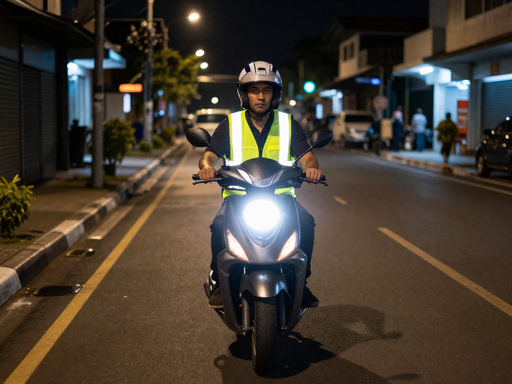
Upgrade Your Lighting Setup
On poorly lit Malaysian roads, especially during heavy rain or along unlit kampung lanes, the stock headlights on many scooters and motorbikes often fail to provide adequate visibility. Upgrading your lighting isn’t just about seeing further—it’s about being seen by other road users. Start by checking your current bulb type and brightness; many factory halogens emit a dim, yellowish light that quickly gets lost on dark asphalt. Consider switching to LED or HID bulbs, which offer a crisper, whiter beam that significantly improves nighttime clarity without necessarily exceeding legal brightness limits—just ensure any upgrade complies with JPJ regulations to avoid fines. For wider coverage, adding auxiliary lights can help illuminate the shoulders and reveal hazards like potholes or stray animals earlier, but remember that in Malaysia, additional lighting must not distract or dazzle other drivers. After installation, carefully adjust your beam angle so the cutoff remains low enough to avoid blinding oncoming traffic, a common cause of complaints and dangerous situations. A minor upgrade can turn a nerve-wracking night ride into a confident, safe journey.
Maximize Your Visibility to Others
Even the brightest headlight won’t help if others can’t see you from the side or rear. Making yourself conspicuous is crucial on Malaysia’s poorly lit roads.
Start with a high-visibility vest or jacket. Fluorescent yellow or orange stands out against the dark, and the reflective strips catch headlights from all angles. It’s lightweight enough for our tropical climate and fits easily over your regular gear. For a more permanent solution, apply reflective tape to your helmet and motorcycle. Put strips on the back and sides of the helmet, along the bike’s forks, swingarm, and rims. The subtle glow from passing vehicles alerts drivers to your shape and position.
Don’t overlook your bike’s own lights. A dirty lens can cut brightness by half. Wipe your taillight and signal lights before every night ride—road grime builds up fast. Check that all bulbs are working and consider upgrading to LED brake lights for a sharper, more immediate response.
Finally, choose bright-coloured riding gear. A white or neon jacket is far more noticeable than black. When rain forces you into a dark raincoat, clip a flashing bicycle light to your back or bag as an extra precaution. These small steps collectively make you much more visible, especially to tired motorists and pedestrians crossing unlit streets.
Adjust Your Night Riding Technique
When riding at night on poorly lit Malaysian roads, your usual daytime pace must give way to a more defensive approach. The reduced visibility means you have less time to react to obstacles, so start by reducing your speed and increasing the distance between you and the vehicle ahead. This extra space allows you to brake smoothly if something unexpected appears out of the darkness.
Keep your eyes moving constantly. Scan the road surface for potholes that are particularly common after heavy rain, loose gravel, or debris like fallen branches. In rural or kampung areas, watch out for stray dogs, monitor lizards, or even cattle that might wander onto the road. These hazards are far harder to see at night, so staying alert is crucial.
Use your high beams to extend your view whenever there is no oncoming traffic and no vehicles directly ahead of you. However, dip back to low beam immediately when you see the lights of another vehicle to avoid dazzling them. A quick flash of the high beam can also help warn others of your presence at blind intersections.
Finally, avoid sudden swerves or hard braking. In low light, other road users may not react quickly enough, and locking the wheels on an uneven surface can cause a skid. Instead, apply both brakes progressively and make any directional changes gently. By adapting your technique with these measures, you can ride more safely through Malaysia’s darkest streets.
Protect and Enhance Your Night Vision
Your eyes are the most critical tool for night riding, and small steps can dramatically improve what you see on dim roads.
Start with the basics: keep your helmet visor and any glasses spotless. Even a thin layer of dust or a tiny scratch can scatter light from streetlamps and headlights, creating distracting glare. Clean the visor inside and out with a microfibre cloth before every night ride, and replace it if pitting or scratches become visible.
Consider anti-glare solutions. A quality anti-fog and anti-glare visor insert, or riding glasses with a light yellow tint, can cut harsh reflections without reducing overall brightness. These are especially helpful during Malaysia’s heavy downpours when wet roads intensify glare.
Train yourself to avoid looking directly at oncoming headlights. Instead, focus your gaze slightly to the left edge of the road, using your peripheral vision to track the vehicle’s position. This reduces temporary blindness and helps you maintain orientation on unlit stretches.
Finally, regular eye check-ups are essential. Night vision deteriorates gradually with age or conditions like cataracts, often without noticeable daytime symptoms. An annual eye exam can catch early changes and ensure your prescription is up to date, so you’re not squinting through old lenses when visibility is already poor.
Plan Your Route and Pre-Ride Checks
A little planning goes a long way for safe night riding. Whenever possible, choose main roads that are well lit, even if they add a few minutes to your trip. In Malaysia, many secondary routes have inconsistent lighting or unmarked hazards, so sticking to familiar, brighter streets reduces surprises.
Before you head out, a quick walk-around check takes only a moment. Make sure your headlight works on high and low beam, your brake light activates with both levers, and all signal lights flash. Check tire pressure and look for cuts, and verify the brakes engage smoothly. Clean your mirrors and windscreen—smudges or dust turn into blinding glare from oncoming headlights.
Lastly, carry a small kit under your seat: basic tools, spare fuses, and a backup headlight bulb. A roadside breakdown is even less fun at night, and being able to swap a bulb keeps you seen and legal.
FAQ
Is it safe to ride a motorcycle at night in Malaysia?
Riding at night in Malaysia can be safe if you take precautions like ensuring good lighting and reflective gear, but risks increase due to poorer visibility, unpredictable road conditions, and occasional wildlife or stray animals. Always ride defensively and plan routes on well-lit roads when possible.
What should I do if I get blinded by oncoming headlights?
If blinded by oncoming headlights, avoid looking directly at the light; instead, focus on the left edge of your lane or the road markings to maintain your path. Slow down or stop safely if necessary, and use your visor or helmet’s anti-glare function if available.
How can I improve my night vision while riding?
To improve night vision, ensure your visor or goggles are clean and free from scratches, and consider using yellow-tinted lenses that enhance contrast. Keep your windscreen and headlights clean, and allow your eyes to adjust to darkness before riding.
Are LED lights legal for motorcycles in Malaysia?
In Malaysia, aftermarket LED headlights must be properly focused and not cause glare to other road users; it's best to use JPJ-approved or OEM-grade units. Improperly installed LED lights can attract fines, so consult a reputable mechanic and ensure compliance with Road Transport Department guidelines.
What gear is essential for night riding?
Essential gear includes a full-face helmet with a clear, scratch-free visor, a reflective riding jacket or vest to enhance visibility, and gloves with reflective elements. Also, wear sturdy footwear and ensure your motorcycle's lights and reflectors are functioning correctly.