Carrying a Passenger Safely on a Scooter
Nervous about taking your first passenger on your scooter? You're not alone. Many Malaysian riders hesitate because a pillion changes everything—from bike balance to braking distances. But with the right preparation and technique, carrying a passenger can be safe and even enjoyable. This guide walks you through everything you need to know, from JPJ rules to body positioning on busy KL streets.
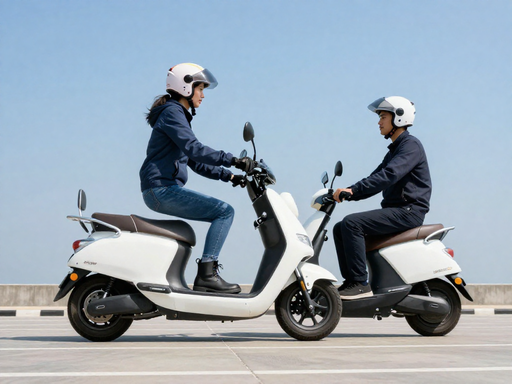
Legal Requirements for Carrying a Passenger in Malaysia
Before you let someone hop on the back of your scooter, it’s essential to know what Malaysian law says about pillion riding. The Road Transport Act 1987 allows you to carry a passenger, provided your scooter is designed for two persons. That means the passenger must sit on a proper seat—never on the luggage rack or other makeshift perch.
Both you and your passenger are required to wear helmets that meet SIRIM standards, and they must be securely fastened. While the passenger doesn’t need a special license, you as the rider must hold a valid B2 or B full motorcycle license. Additionally, local JPJ regulations often stipulate that foot pegs must be available and used by the passenger. A quick check before each ride ensures you stay on the right side of the law and keep everyone safe.
Preparing Your Scooter for Two-Up Riding
Before you invite a passenger aboard, take a few minutes to ready your scooter for the extra weight. A machine that handles perfectly with just you can behave quite differently with two people, so a quick once-over goes a long way toward a safe and smooth ride.
- Adjust tire pressures. Most scooters benefit from slightly higher pressures when riding two-up. Check your owner’s manual for the recommended settings and fill the tyres accordingly—keeping them properly inflated improves handling and reduces the risk of a puncture.
- Tweak the suspension if you can. Many scooters have a rear shock absorber with adjustable preload. Stiffening the spring a notch or two helps keep the ride stable and prevents bottoming out over bumps.
- Secure the passenger foot pegs. Make sure both pegs are folded down and locked in place. A passenger who can’t plant their feet securely will feel unstable and may inadvertently throw off your balance.
- Test your lights, signals, and brakes. The added mass changes stopping distances and how the scooter behaves under braking. Give the brakes a firm squeeze in a safe spot, and confirm that all indicators and brake lights are working so other road users know your intentions.
- Clear the rear of loose items. Strap down any bungee nets, bags, or accessories that hang near the pillion area. Dangling straps or cargo can snag on the passenger’s clothing or distract them mid-ride. A tidy back end also makes mounting and dismounting easier.
Taking these simple steps doesn’t just protect your scooter—it helps your passenger feel confident and comfortable from the moment they hop on.
Pre-Ride Briefing: Communicating with Your Passenger
Before you start the engine, a quick chat can make the difference between a smooth ride and a stressful one. Agree on a few simple signals—like a tap on your shoulder to slow down, or a double squeeze on your leg for an urgent stop—so your passenger can alert you without shouting. Explain that they should mount or dismount only after you give a clear “ready” while both feet are on the ground and you’re bracing the scooter. Once seated, they should stay relaxed but still, look over your inside shoulder through corners to follow your lean, and avoid any abrupt weight shifts. Show them where to hold: around your waist is secure, or the grab rails if your scooter has them. Most importantly, remind them never to put their feet down at a stop; that’s your job, and extra feet can destabilize the scooter.
Riding Techniques When Carrying a Pillion
When you have a pillion, your scooter's handling changes significantly. Smoothness becomes your top priority. Accelerate gently from a stop, rolling on the throttle progressively. A sudden twist can jerk your passenger backward, causing discomfort or even a loss of balance. Similarly, when braking, start earlier and apply pressure gradually. The added weight shifts forward under deceleration, making the front dive harder; anticipate this so your passenger isn't thrown against you.
Cornering demands a more conservative approach. With a passenger, the scooter feels heavier and responds slower to steering inputs. Take corners wider than you normally would, and reduce your lean angle. Don't try to match the passenger's movements or counterbalance; instead, maintain a steady, upright posture and let the bike arc through naturally. A pillion leaning unexpectedly can upset stability, so brief them beforehand to stay aligned with your body.
Increased total weight means longer stopping distances. Leave at least double the usual gap between you and the vehicle ahead. On wet Malaysian roads, this margin is even more critical. Avoid sudden swerves or darting between lanes—quick maneuvers can unsettle your passenger and reduce your control. In heavy traffic, scan far ahead and coast to a stop when possible, rather than braking hard at the last moment. This minimizes lurching and keeps the ride comfortable for both of you.
By adopting these smoother, more deliberate habits, you'll ensure that carrying a pillion is not just safe but also enjoyable, turning a simple commute into a shared ride through the city.
What the Passenger Should Do (and Avoid)
A safe ride depends as much on the passenger as on the rider. As a pillion, your cooperation and awareness make a huge difference. Here’s how to hold on, sit, and behave to keep both of you stable and protected.
- Hold firmly but stay relaxed – Grip the rider’s waist or the grab rails, but keep your arms and shoulders loose. Tensing up can transfer sudden jerks to the bike.
- Keep your feet on the pegs at all times – Even at a stop, never dangle your legs. Having your feet on the pegs maintains balance and keeps you clear of moving parts.
- Don’t lean against the rider or push backward on takeoff – Sit neutrally and let the rider move freely. Pushing back can lift the front wheel or throw off control during acceleration.
- Never shift weight suddenly or “help” through corners – Stay aligned with the scooter. Instinctive leaning in the opposite direction upsets balance; trust the rider to handle the turn.
- Avoid using your phone or adjusting your helmet mid-ride – Both actions demand taking a hand off the grab rail and divert attention. If your visor fogs up or helmet feels loose, signal the rider to pull over safely.
- Keep your legs away from the exhaust – Scooter exhausts get extremely hot. Always be mindful of where you place your feet and lower legs, especially when disembarking.
Common Mistakes and How to Avoid Them
Even experienced riders can overlook simple things when carrying a passenger for the first time. Being aware of these common mistakes will help you both stay safe and comfortable.
- Underestimating braking distance – With the added weight of a pillion, your scooter needs significantly more room to stop. Head to an empty parking lot and practice emergency braking from various speeds until you get a feel for the new stopping distance.
- Forgetting to warn about hot surfaces – Many scooters have exposed exhaust pipes or engine casings that get extremely hot. Always point these out to your passenger before they climb on, especially if they’re wearing shorts or thin clothing. A quick “mind the exhaust” can prevent nasty burns.
- Rushing the mounting process – Never let a passenger climb on until you’re ready. Make sure you’re firmly planted with both feet down, the engine is running, and you’ve communicated clearly. A surprising shift in weight while you’re still balancing can easily tip the scooter over.
- Missing foot pegs – Ensure your passenger’s feet are securely on the pegs at all times. Riding with feet dangling disrupts stability and risks catching on obstacles. If your scooter doesn’t come with passenger pegs, have them installed before attempting two‑up riding.
- Exceeding the scooter’s maximum load – Every scooter has a weight limit (check your owner’s manual). Overloading not only strains the engine and suspension but also makes handling unpredictable, especially during braking or cornering. Factor in both your weights plus any luggage.
- Ignoring crosswinds – A passenger adds more surface area to the side profile, making you much more susceptible to gusts. On blustery days or when passing large vehicles, reduce speed and grip the bars firmly. Be extra cautious along coastal routes or open highways where crosswinds are common in Malaysia.
Stay mindful of these points, and you’ll turn two‑up riding into a seamless, enjoyable experience.
FAQ
Is it legal to carry a passenger on a scooter in Malaysia?
Yes, it is legal if your scooter is equipped with a proper pillion seat and footrests. Both rider and passenger must wear approved helmets, and the number of passengers must not exceed the vehicle’s designed capacity.
Do I need a special license to carry a pillion?
No special license is required beyond a valid motorcycle license for your scooter’s engine capacity. A B2 license covers scooters up to 250cc, while a B license is needed for larger models, and both allow carrying a passenger.
Can I carry a child as a passenger?
Yes, you can carry a child if they can safely reach the footrests and wear a properly fitted helmet. For added safety, ensure the child can hold on firmly and understands how to sit still during the ride.
What's the maximum weight my scooter can handle with two people?
The maximum load depends on your scooter’s specifications; for popular Malaysian models, total rider and passenger weight is typically around 150–180 kg. Check the owner’s manual or manufacturer’s label to avoid overloading, which compromises handling and braking.
How do I stop my passenger from leaning the wrong way?
Brief your passenger before riding to stay aligned with your body and avoid sudden movements. Instruct them to hold the grab rails or your waist, look over your inside shoulder in turns, and practice together at low speeds to build coordination.
Are there scooters that are not allowed to carry passengers?
Yes, scooters not designed for two-up riding—such as those lacking a passenger seat, footpegs, or with a single-seat configuration—are not allowed to carry passengers legally. Always refer to the manufacturer’s specifications to confirm your scooter is intended for a pillion.