Overwintering Tender Perennials on Your Balcony
Connect with balcony gardeners who hate tossing plants each year. Promise simple, space-savvy methods to keep geraniums, fuchsias, and more alive through winter.
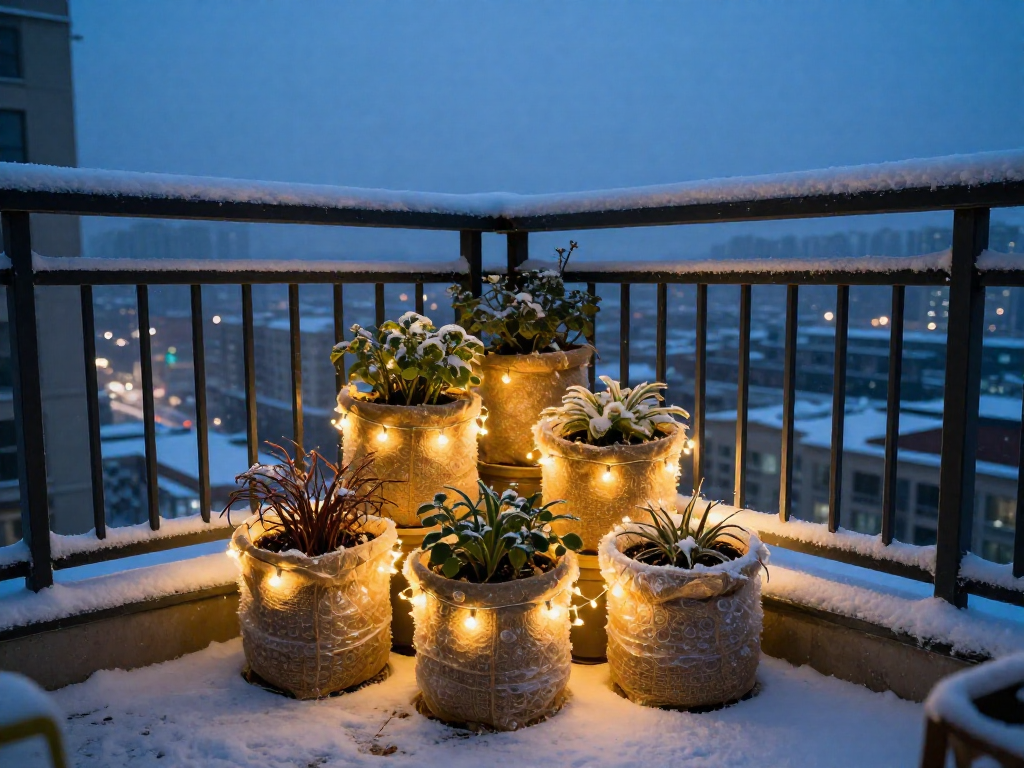
What Are Tender Perennials and Why Overwinter Them on a Balcony?
Tender perennials are plants that thrive year after year in warm climates but cannot survive freezing temperatures. In a frost-free garden, they keep growing from the same roots season after season. On a balcony, where winter chill seeps into every pot and exposed corner, these beauties need a little extra help to make it through to spring.
Some of the most beloved balcony plants fall into this category. Cheerful geraniums, with their clusters of red, pink, or white blooms, are classic examples. Fuchsias, dangling like jewel-toned earrings from hanging baskets, are another favorite. Lantana, with its confetti-like flower heads, and architectural succulents like aeoniums also count as tender perennials in many parts of the US. If you’ve ever watched a treasured plant wither after the first hard frost, you’ve met a tender perennial.
So why go to the trouble of overwintering them instead of buying new plants each spring? For many balcony gardeners, it’s partly about practicality. A single geranium or fuchsia can cost $10–$20, and that adds up quickly when you’re refreshing a dozen pots. Saving your plants year after year frees up money for new pots, soil, or that special plant you’ve been eyeing. It’s also about sentiment. Maybe that lantana was a gift from a friend, or the aeonium reminds you of a sunny vacation. Plants carry memories, and keeping them alive preserves those connections.
Beyond economics and emotion, overwintering lets you pick up where you left off. Established plants often flush out faster and bloom earlier in spring than a tiny nursery start. You’re not starting from scratch—you’re building on last season’s growth. Over time, you develop a deeper understanding of each plant’s quirks, which makes you a more confident gardener.
Of course, overwintering on a balcony has its own set of challenges. Unlike plants in the ground, those in containers are far more vulnerable to cold. The soil in a pot can freeze solid much faster than garden soil, especially if the container is small or made of terracotta. Wind chill racing across an exposed balcony can make the air feel even colder, stripping warmth from the leaves. And without the insulating blanket of the earth, roots have no natural buffer against temperature swings. That means a sudden cold snap that barely bothers a buried perennial can kill a potted plant overnight. Recognizing these balcony-specific hurdles is the first step in learning how to overcome them—and that’s exactly what we’ll explore in the sections ahead.
Assessing Your Balcony’s Winter Microclimate
Before you decide how to protect your tender perennials, you need to understand the unique winter conditions on your balcony. Unlike a garden bed, your space has its own microclimate shaped by the building, exposure, and even the containers themselves.
Start by looking up your USDA plant hardiness zone using your zip code. This gives a baseline for average minimum winter temperatures, but keep in mind that balconies often run colder—or warmer—than the surrounding area. Then note which direction your balcony faces. A south-facing balcony receives more winter sunlight and can be several degrees warmer on sunny days, while a north-facing one stays cooler and shadier. East- and west-facing balconies fall somewhere in between, with morning or afternoon warmth.
Your building itself creates microclimate quirks. Look for wind tunnels between adjacent structures that can dramatically lower the temperature and dry out plants. Brick or concrete walls that absorb daytime heat may radiate warmth at night, creating a cozy pocket if your plants are placed nearby. Conversely, corners or low spots on your balcony floor can act as frost pockets where cold air settles.
Containers are much more vulnerable to freezing than in-ground soil because the roots are surrounded on all sides by cold air. A small pot can freeze solid while the ground stays unfrozen. Monitor actual temperatures at plant level with a simple min-max thermometer—place it next to your pots and check the highest and lowest readings over a few days. You can also use a weather app to track overnight lows, but remember that your balcony might be colder. Another trick is to observe where frost first forms on your balcony railing or furniture; these are your coldest spots.
Armed with this knowledge, you’ll be able to pick the best overwintering strategy—whether that’s insulating containers, grouping plants together, or moving them to a sheltered nook. In the next sections, we’ll dive into each method.
Step-by-Step Pre-Winter Plant Prep
With the first light frost behind you and the forecast hinting at a hard freeze, it’s the perfect window to get your tender perennials ready for their winter retreat—whether that’s a cozy indoor spot or a sheltered nook on the balcony. Follow these steps, and you’ll set your plants up for a healthy rest and a vibrant return in spring.
1. Time it right. Wait until after the first light frost nudges your plants toward dormancy, but jump in before a hard freeze locks them into full shutdown. This sweet spot signals the plant to slow down without causing tissue damage, giving you time to prep.
2. Prune with confidence. Grab clean, sharp pruners and remove any dead, yellowed, or leggy growth. For bushy plants like pelargoniums or fuchsias, cutting back foliage by up to half reduces water loss and focuses energy on the roots. Don’t worry—you’re not hurting them; you’re helping them conserve resources for the months ahead.
3. Look for hitchhikers. Before bringing any plant indoors or clustering them for protected outdoor storage, check leaves, stems, and soil for pests or disease. Aphids, spider mites, and fungal spots can thrive in still winter air. If you spot trouble, treat with a gentle insecticidal soap or neem oil, making sure to coat both tops and undersides of leaves. A few minutes of inspection now prevents a bigger headache later.
4. Tidy up their homes. Sweep away fallen leaves and debris from pots and saucers—this reduces mold and hiding spots for pests. If your plants are going dormant in their containers, give the pots a quick scrub with mild soap and water. Then, lightly water the soil just enough to keep roots from completely drying out; you’re aiming for barely moist, not soggy. A clean, stable environment makes all the difference.
Take this process one plant at a time, and remember: you’re giving your leafy companions the best chance to sail through winter. You’ve got this!
Space-Smart Storage Methods for Balconies
When balcony square footage is limited, every overwintering choice must work double duty—protecting plants without hogging precious space. These compact, renter‑friendly methods fit into corners, closets, and even the gaps between pots.
In‑place protection
If your balcony has a sheltered nook (for example, against the building wall or under an overhang), you may not need to shuffle plants indoors. Wrap each pot in a layer of bubble wrap topped with burlap or old blankets, securing the insulation with twine. Then push containers tightly together so their sides shield one another from frost. A thick blanket of straw, shredded leaves, or arborist wood chips on top of the soil locks in root warmth. This cluster‑and‑cover approach works best with hardy‑leaning perennials like pelargoniums or rosemary.
Unheated indoor transition spaces
No spare room? Look for the in‑between spaces you already have—an unheated entryway, a dim stairwell landing, or a glass‑paneled sunroom that barely rises above freezing. These spots mimic a chilly root cellar without demanding any floor plan rearranging. Just slide pots into a plastic saucer to catch drips and rotate plants every few weeks so all sides receive whatever light is available. Even a north‑facing hallway cupboard can serve as a dark dormancy chamber for plants that go fully leafless.
Dormant bare‑root storage
For truly space‑crunched balconies, shed the pots. After the first light frost, knock most of the soil off the roots, trim back top growth to a few inches, and wrap the root ball in barely damp newspaper. Layer the bundles in a sturdy cardboard box—no more than two deep—and store in a cool (40–50°F) closet, under the bed, or in an unheated garage locker. Come spring, pot them up and they’ll sprout as if nothing happened. This method is especially reliable for dahlias, cannas, and tuberous begonias.
Propagate a backup
When a beloved plant refuses to fit any storage nook, take stem cuttings. A small clear tote lined with moist perlite can hold a dozen baby coleus or geranium starts on a single windowsill. Pinch the cuttings back lightly so they stay compact, and you’ll have a miniature insurance policy in a fraction of the space the mother plant would need.
A word on weight and safety
Before you pack pots into corners or stack boxes high, check your balcony’s posted load limit (often found in your lease or HOA documents). Wet soil is surprisingly heavy—a 12‑inch pot can weigh over 30 pounds. Always keep the heaviest containers directly on the floor, never on railings or hanging brackets that could stress the structure. When in doubt, lighter stored cuts or bare‑root bundles are the safer, smarter play.
Minimal Winter Care While Plants Sleep
Once your tender perennials are tucked into their winter spots, you might feel like you’re neglecting them. But dormancy is a natural resting phase, and a little hands-off energy is exactly what they need. Your main job now is to keep the environment stable and catch small problems before they grow.
Temperature sweet spot: Aim to keep dormant plants between 35°F and 50°F. This chilly range mimics their native rest period and prevents them from breaking dormancy too early. Avoid placing pots near heating vents, sun-drenched south-facing windows indoors, or other warm spots that can trick them into thinking it’s spring.
Monthly check-ins: Once a month, take a few minutes to inspect each plant. Look for shriveled stems—they may signal dehydration. Feel the soil: it should be barely moist, never bone-dry or soggy. If it’s dried out completely, water sparingly, just enough to lightly dampen the root zone. Overwatering is the biggest danger during dormancy.
Watch for trouble: Mold or rot can appear if air circulation is poor. If you spot white fuzz, blackened stems, or a musty smell, remove the affected material immediately with clean pruners. Then improve airflow by opening a vent or unclustering pots, and hold off on watering until the area dries out.
Outdoor insulated plants: If your perennials are overwintering on the balcony under protective wraps or in insulating bins, check them after storms or heavy rain. Ensure covers are still secure and haven’t collected puddles of water inside. Wet insulation freezes harder and can damage crowns. Shake off snow gently and replace any cover that’s blown loose.
With these simple monthly rituals, your sleeping plants will stay healthy and be ready to wake up strong when the warmth returns.
Spring Revival: Waking Up Your Perennials
As winter loosens its grip and the days slowly lengthen, it’s time to think about coaxing your overwintered tender perennials back to life. The transition from the sheltered indoor or storage spot to the open balcony must be handled with care to avoid transplant shock. Moving too quickly can undo all your careful preservation efforts, so patience is key.
The Art of Gradual Reintroduction
Your plants have been resting in low light and possibly fluctuating temperatures for months. Placing them immediately into direct sun on the balcony is a recipe for leaf burn and stress. Instead, begin by setting them in a spot with bright, indirect light—perhaps behind a sheer curtain indoors or on the balcony when it’s overcast. Over the course of 7 to 10 days, increase their exposure to direct morning sun by an hour or two each day. For balconies that face intense afternoon sun, prioritize morning exposure and use a shade cloth or the building’s shadow to protect them during peak hours. This slow build-up mimics the way wild perennials wake from dormancy under a canopy of leaves, and it gives your plants time to rebuild their tolerance.
Water and Feed at the Right Moment
During winter storage, you likely kept the soil barely moist to prevent rot. In spring, resist the urge to drench them as soon as you see green. Until new growth appears, the roots are still sluggish, and overwatering can suffocate them. Water sparingly, just enough to settle the soil after repotting (more on that below) and then wait. Once you spot fresh shoots or leaves expanding, you can slowly increase the watering frequency. That same new growth signals it’s time for a gentle feeding. Start with a half-strength, balanced liquid fertilizer (like a 10-10-10) every two weeks, then transition to full strength as the plant enters its active growth phase. Avoid high-nitrogen formulas early on, as they encourage leggy growth that’s fragile in spring winds.
Repotting: Refresh, Inspect, Upsize
Spring is the perfect time to give roots a health check and fresh soil. Gently slide each plant out of its container and examine the root ball. Healthy roots are firm and light-colored; trim away any that are brown, mushy, or circling tightly. If the plant is root-bound—roots spinning around the pot’s edge—it’s ready for a new home one to two inches larger in diameter. Choose a pot with ample drainage holes and use a high-quality, potting mix suitable for containers. A mix formulated for outdoor containers often includes perlite or vermiculite for drainage and moisture balance, ideal for balcony conditions. Even if you’re not upsizing, replace the top inch or two of soil with fresh compost or slow-release fertilizer granules to replenish nutrients without disturbing the roots too much.
Hardening Off Like a Seedling
Think of your overwintered perennials as you would tender seedlings started indoors. They need to acclimate to wind, temperature swings, and stronger UV rays. After the gradual light adjustment, expose them to gentle breeze on mild days. Start with a couple of hours on a protected corner of the balcony, then increase duration and wind exposure over another week. Keep an eye on the forecast—if nights still dip below 50°F (10°C), bring them back inside or cover with a frost cloth (and don’t forget to watch our own photo guide on simple cloches for balconies). By the time night temperatures consistently stay above 50°F, your plants will be tough enough to live full-time on the balcony.
Throughout this process, remember that each species has its own pace. Your overwintered geraniums might burst into growth within days, while a bougainvillea may sulk for weeks before showing signs of life. Trust the process, and don’t give up too soon—a seemingly bare stick can harbor plenty of life below the soil. With this gentle wake-up routine, your balcony will soon be lush and colorful again, and you’ll have saved both money and a piece of your garden’s heart.
FAQ
Can I overwinter tender perennials on an open balcony without a shed?
Yes, it's possible with careful protection. Group pots together against an exterior wall, insulate them with bubble wrap or burlap, and mulch heavily. A cold frame or mini greenhouse can also shield plants from harsh weather.
What temperature is too cold for most tender perennials?
Most tender perennials suffer damage when temperatures drop below 35–40°F (1–4°C). Roots are especially vulnerable, so aim to keep the root zone above freezing. Even brief exposure to a hard frost can kill unprotected plants.
How often should I water dormant plants on a balcony?
Water sparingly, just enough to keep the soil from completely drying out. Check every two to three weeks and water lightly if the top inch of soil is dry. Overwatering can lead to root rot when plants are not actively growing.
Which tender perennials are easiest to overwinter in small spaces?
Compact varieties like geraniums, fuchsias, and lantana are good candidates. Look for dwarf or trailing types that can be pruned back and stored close together. Succulents and small aeoniums also overwinter well with minimal care.
How do I protect pots from freezing solid on a balcony?
Wrap pots with insulating materials like bubble wrap, burlap, or old blankets. Elevate them on pot feet or foam to prevent direct contact with cold balcony surfaces, and cluster them together to share warmth. For extreme cold, consider placing pots inside a larger insulated container filled with packing peanuts.
Is it better to bring plants indoors or keep them outside wrapped up?
It depends on the plant and your indoor conditions. Bringing plants indoors provides stable warmth but risks pest issues and low light stress. Wrapping up outdoors saves space and avoids indoor pests, but requires vigilant protection from freezing. Choose tender varieties that can adapt to indoor life or those that can handle your local winter conditions with proper wrapping.