Seasonal Fertilizing Schedule for Container Gardens
Start with the frustration of lackluster balcony blooms and yellowing leaves despite regular watering, then introduce seasonal fertilizing as the missing piece for lush, healthy container gardens.
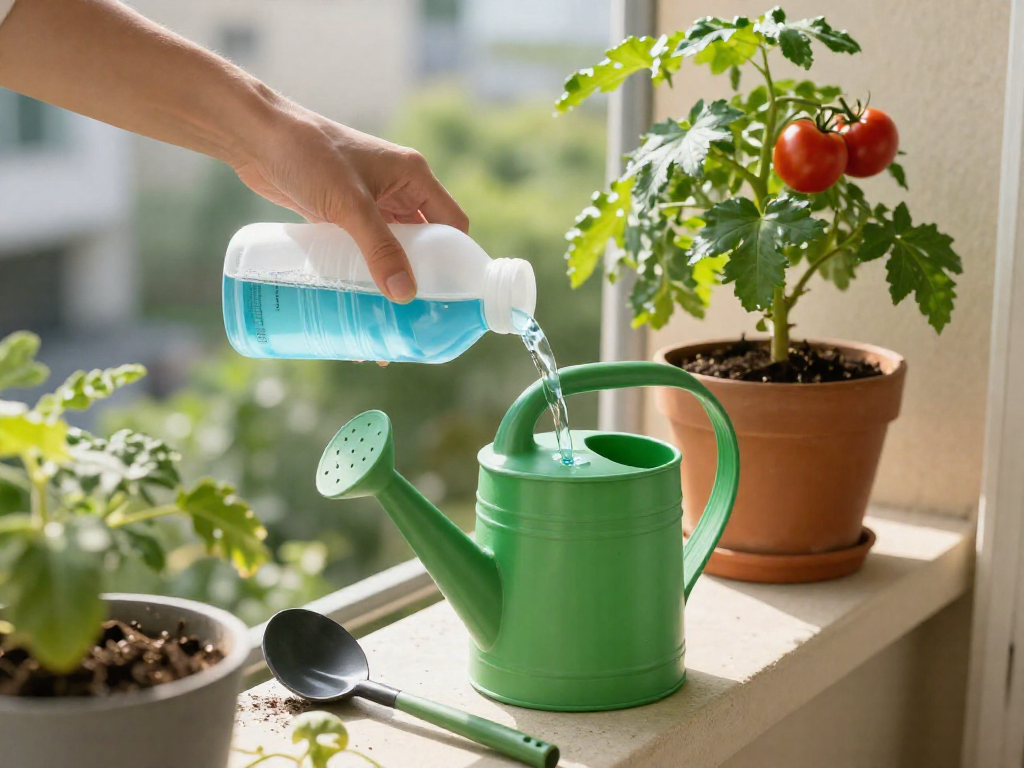
Why Fertilizing Schedule Matters for Balcony Plants
Container plants on a balcony live in a very different world than those in the ground. Their roots are confined to a small volume of potting mix, which means nutrients wash out far more quickly every time you water. In a typical balcony setup, especially with fast-draining containers designed to prevent root rot, frequent watering is unavoidable—and that leaches away the essential elements your plants need to thrive.
Balcony microclimates add another layer of urgency. Reflected heat from walls, glass railings, and paving, combined with drying winds at higher floors, speeds up evaporation and can cause nutrients to break down faster than you’d expect. Without a timed feeding plan, you might find your plants looking hungry just a few weeks after potting.
Different plants also have distinct feeding rhythms. Leafy greens and herbs need a steady supply of nitrogen during their rapid growth phase, while flowering annuals and fruiting vegetables demand more phosphorus and potassium as buds and fruit set. A one-size-fits-all approach to fertilizing often leads to disappointment—stunted foliage, few blooms, or even fertilizer burn.
Having a seasonal schedule removes the guesswork. It helps you avoid the twin pitfalls of over-fertilizing, which can damage tender roots and encourage leggy growth prone to pests, and under-fertilizing, which leaves plants weak and unproductive. By syncing your feeding with nature’s calendar and your plants’ life cycles, you’ll grow a lush, resilient balcony garden that looks and tastes amazing all season long.
Seasonal Fertilizing at a Glance
Keeping your container plants well-fed doesn’t have to be complicated. Use this quick seasonal guide to match your fertilizer to the rhythm of your balcony garden.
| Season | Fertilizer Focus | Application Tips |
|---|---|---|
| Spring | High-nitrogen formulas for leafy herbs and greens; balanced blends for flowering annuals. | Begin feeding as new growth appears. Dilute liquid feed to half strength for young seedlings, then gradually move to full strength every two weeks. |
| Summer | Potassium-rich blends to support blooms and fruiting vegetables. | Feed continuously—every week for heavy feeders like tomatoes and peppers. Water thoroughly before applying to avoid root burn on hot days. |
| Fall | Low-nitrogen, higher phosphorus and potassium to strengthen roots and harden off perennials. | Reduce frequency to once every three to four weeks. Stop feeding tender annuals four to six weeks before your first expected frost. |
| Winter | Very light or no feeding; if you bring containers indoors, use a mild, balanced fertilizer only on actively growing plants. | Most balcony plants enter dormancy. For indoor herbs or overwintering tropicals, feed once a month at quarter strength. Always check soil moisture before feeding. |
Remember, container plants rely entirely on you for nutrients. Adjust based on how your plants look—yellowing leaves often mean more food, while leggy growth can signal too much. You’ve got this!
Spring Fertilizing: Wake Up Your Plants (March-May)
The arrival of spring on a balcony is a special moment—tender shoots piercing the soil, dormant perennials shaking off their winter sleep. But don’t rush to feed them. Wait until you see active new growth (fresh leaves or stems), usually around mid-March to early April, depending on your local climate. Fertilizing before plants are ready can lead to nutrient runoff or even root damage.
For most container plants—flowering annuals, fruiting vegetables, and ornamentals—a balanced water-soluble fertilizer like a 10-10-10 or 20-20-20 formula works wonders. Mix it at half the recommended strength at first, then gradually move to full strength as plants hit their stride. Feed every two weeks, always on moist soil to prevent burn.
Leafy greens (lettuce, kale, chard) and herbs like basil and cilantro thrive with a nitrogen boost. I love using diluted fish emulsion—it’s gentle, organic, and encourages lush leaves. Apply it every 10–14 days, and watch your salad bowl fill up fast.
When you’re repotting overwintered perennials or setting out new plants, mix a handful of slow-release fertilizer pellets into the potting mix. These tiny granules will feed your plants steadily for up to three months, giving you a safety net on busy weeks. Just be sure to follow the package’s rate for containers—less is more.
Remember: balcony pots lose nutrients faster than in-ground beds because water drains right through. But with this simple spring feeding plan, you’ll set your little garden up for a season of vibrant growth.
Summer Fertilizing: Peak Growth Feeding (June-August)
Summer is when your balcony garden hits full stride, with plants pushing out flowers, fruits, and lush foliage under long sunny days. To sustain this vigorous growth, your container plants need more frequent feeding—but also a little extra care to avoid overdoing it in the heat. Here’s how to keep them thriving through the hottest months.
Once your flowering annuals like petunias, geraniums, and marigolds start setting buds, switch from a balanced fertilizer to a bloom-boosting formula with a higher middle number, such as 5-10-10. The extra phosphorus supports abundant blooms and strong root systems, which is especially important in the confined space of a pot. Apply according to package directions, but consider starting at half-strength to see how your plants respond—many balcony gardeners find that less is more when it comes to feeding in summer.
For heavy feeders like tomatoes and peppers, weekly liquid feeding makes a big difference. These plants are producing fruit and need a steady supply of nutrients. Use a balanced liquid fertilizer (like 10-10-10) or one slightly higher in potassium to promote fruiting. Again, dilute it to half the recommended strength when temperatures regularly top 85°F. High heat can stress container plants, and full-strength fertilizer may burn delicate roots already working hard in warm soil.
A great way to supplement synthetic fertilizers is with liquid kelp or compost tea. These natural additives provide trace minerals and beneficial microbes that improve soil health and nutrient uptake. Apply them once every two to three weeks as a gentle boost—your plants will reward you with greener leaves and better resilience to heat and pests. Remember, consistency is key. Mark your calendar for feeding days, and always water your containers thoroughly before applying any liquid fertilizer to prevent root burn.
With a smart summer feeding routine, your balcony garden will stay productive and colorful right through the season.
Fall Fertilizing: Winding Down (September-November)
As days get shorter and temperatures drop, your balcony plants begin to slow down. They don't need the same steady meals they did in summer—in fact, too much food can harm them by encouraging soft, frost-sensitive growth. In fall, shift your focus to helping roots stay strong and getting plants ready for a restful winter.
Cut back on feeding to just once a month. Use a low-nitrogen, high-phosphorus and potassium formula (look for ratios like 2-10-10) because nitrogen promotes leafy growth that won't survive the first cold snap. Instead, phosphorus and potassium support root development and overall hardiness. If you're growing perennials, stop fertilizing entirely about 4 to 6 weeks before your area's average first frost date—this signals them to start going dormant. For annuals, keep harvesting any remaining crops and pull up plants once they're spent. You can toss them into a balcony compost bin if you have one. By tapering off now, you'll set the stage for healthy spring growth with less damage from winter chill.
Winter Care: Fertilizing Indoor & Overwintered Plants
When chilly temperatures settle in, most of your balcony plants will naturally slow down or go completely dormant. This is a good thing—it’s their way of conserving energy for the next growing season. For these resting plants, fertilizing is not only unnecessary but can actually harm them by causing weak, leggy growth that won’t survive the cold. Simply water sparingly, just enough to keep the soil from completely drying out, and skip the fertilizer entirely.
But if you’ve brought tender perennials indoors to protect them from frost, like geraniums or coleus, they might push out a little growth in the warmth of your home. Give these overwintered plants a very mild feeding every 6–8 weeks using a balanced liquid fertilizer diluted to just one-quarter strength. This tiny boost helps them stay healthy without encouraging too much growth when light levels are low.
Some plants, like citrus trees and certain herbs, will keep growing actively through winter if they receive enough sunlight. If your indoor space gets bright, direct light for several hours a day, you can offer a gentle monthly feed with a balanced fertilizer. Keep an eye on the plant: if the leaves start yellowing or growth stalls, it might need a little more light rather than more food.
As late winter arrives and natural daylight begins to increase, you can gradually resume your regular fertilizing schedule. Start slowly and watch your plants respond; by early spring, they’ll be ready to ramp up for the growing season.
Fertilizer Types & How to Apply in Containers
Container plants rely entirely on you for nutrients because frequent watering quickly washes food out of the soil. Choosing the right fertilizer and applying it correctly keeps your balcony garden lush without overwhelming your space or schedule.
Water‑soluble vs. slow‑release granules
Liquid or powder concentrates you mix with water give an instant nutrient boost—perfect for a quick pick‑me‑up during bloom or fruit set. They give you precise control but require regular application, usually every 1–2 weeks. Slow‑release granules, on the other hand, are a “set it and forget it” option. A single sprinkle worked into the top inch of potting mix can feed plants for months, making them ideal if you travel or want lower maintenance. The trade‑off: you can’t easily adjust feeding if a plant shows signs of deficiency.
Organic choices that thrive on a balcony
Worm castings are a gentle, slow‑release amendment packed with beneficial microbes. Top‑dress a tablespoon per pot or mix them in when potting up. Fish emulsion delivers a fast nitrogen punch that leafy greens love; expect a temporary earthy smell that dissipates outdoors. Dilute it generously and apply to moist soil to prevent root shock. Seaweed extract isn’t high in NPK but supplies trace minerals and natural growth hormones that boost stress tolerance—great for seedlings or after a heat wave. Use all three as part of a varied feeding routine.
The golden rule: water first, then feed
Applying fertilizer to dry soil can burn tender roots. Always give plants a thorough watering with plain water before any liquid feed. This saturates the root zone so nutrients are absorbed evenly, and it prevents overdose. If you’re using granules, watering right after helps start the slow release.
DIY balcony compost tea
You can brew your own nutrient‑rich tea with a handful of finished compost or worm castings, a bucket of water, and an air pump. Let it bubble for 24 hours, strain, and dilute to the colour of weak tea. Use it right away as a soil drench or mild foliar spray. Small batches mean nothing goes to waste, and it’s a cost‑effective, zero‑waste way to recycle kitchen scraps—even on a tiny balcony.
Common Fertilizing Mistakes to Avoid
Even with a solid schedule, small missteps can cause big problems in the tight quarters of a container. Here are the most frequent fertilizing pitfalls balcony gardeners face—and simple ways to steer clear of them.
Over-fertilizing and salt buildup. It’s tempting to give your plants an extra boost, but too much fertilizer can burn roots and cause leaf tip browning. In containers, excess salts accumulate quickly because there’s no surrounding soil to wick them away. Flush each pot with plain water every three months to wash out residual salts. Simply water until it runs freely from the drainage holes—this resets the root zone and prevents nutrient lockout.
Wrong NPK for the plant’s stage. All-purpose fertilizers may not suit every season or crop. For example, tomatoes fed high-nitrogen food in summer will push lush leaves but few flowers and fruit. Switch to a formula higher in phosphorus and potassium once blooming begins. Likewise, leafy greens thrive on nitrogen throughout their short lives, while root crops like radishes do best with more potassium. Match the numbers to the plant’s current job—leaf, flower, or fruit.
Ignoring changes in sunlight. Light drives how fast a plant uses nutrients. As days shorten or your balcony gets shadier in winter, growth slows—even indoors. If you keep fertilizing at summer rates, you risk salt buildup and weak, leggy growth. Reduce feeding frequency by half or more during low-light months, and watch your plants’ cues: pale leaves might still signal hunger, but deep green without new shoots often means they’re coasting fine.
Forgetting to adjust for rain. Balconies don’t always have a roof, and heavy downpours can quickly flush nutrients from pots. If your area gets frequent rain, especially in spring or fall, consider a slightly more frequent dilute feeding to replace what’s leached. A good rule of thumb: after a week with several soaking rains, check for slow growth or paler leaves and give a light compensatory feed if needed.
These tweaks are small but mighty. With a little awareness, you’ll avoid the common traps and keep your balcony garden thriving in every pot.
FAQ
How often should I fertilize balcony plants in summer?
Feed container plants every 1–2 weeks with a diluted liquid fertilizer, or according to the label for slow-release granular products. Since frequent watering washes nutrients out of pots, regular summer feeding supports the rapid growth and flowering typical of the season.
Can I use one fertilizer for all my containers?
A balanced all-purpose fertilizer (like 10-10-10) can work for many plants, but flowering varieties benefit from a blend higher in phosphorus. If your containers include heavy bloomers, consider using a bloom-boosting formula alongside your general feed for best results.
What’s the best fertilizer for flowering balcony plants?
Choose a fertilizer with a higher middle number, such as 10-20-10, to promote abundant blooms. Organic options like fish emulsion or liquid kelp also support flowering without harsh chemicals, and applying every 14 days during bloom season keeps plants thriving.
Is it possible to over-fertilize container plants?
Yes, excess fertilizer can cause salt buildup, root burn, or lots of leaves with few flowers. Always follow package instructions and occasionally flush the soil with plain water to prevent this. Watch for brown leaf tips or wilting as warning signs.
Should I fertilize in winter if my plants are indoors?
Most indoor plants grow slowly in winter due to lower light, so hold off on fertilizer until spring. If you use grow lights and your plants are actively putting out new leaves, you can give a very diluted feed once a month.
How do I know if my balcony plants need more nutrients?
Signs like pale or yellowing leaves, stunted growth, or lack of flowers often point to a nutrient shortage. If watering seems correct and the plant otherwise looks healthy, try a light feeding with a balanced fertilizer and see if it responds within a couple of weeks.