DIY Frost Protection Cloches for Balcony Gardens
A sudden frost can devastate your balcony garden overnight. But with a few everyday recycled items and 15 minutes of crafting, you can shelter your container plants and keep harvesting fresh herbs and greens well into the colder months. These DIY cloches are budget-friendly, space-smart, and perfect for apartment gardeners. Let’s craft and protect.
Why Balcony Plants Are Frost-Sensitive
If you’ve ever shivered through a cold snap on your balcony, imagine how your potted plants feel. Balcony gardens face unique frost challenges that in-ground gardens simply don’t. Understanding these differences is key to protecting your leafy friends.
First, containers lose heat much faster than soil in the ground. A pot is surrounded by chilly air on all sides, so its temperature can drop rapidly overnight. That cozy pot of herbs or trailing flowers goes from toasty to freezing in no time, leaving roots vulnerable.
Elevation adds another layer of risk. Balconies sit higher than ground level, where winds tend to be stronger and more constant. This wind chill strips away any lingering warmth around your plants, making the air feel even colder to tender leaves and stems.
Urban environments mess with temperature patterns, too. Buildings and paved surfaces absorb heat during the day and release it at night, creating urban heat islands that cause sudden temperature swings. A balcony can go from surprisingly warm to unexpectedly frosty in a single evening, catching plants off guard.
Finally, frost itself is brutal. Ice crystals form on delicate foliage, puncturing cell walls and causing permanent damage. Even a light frost can stunt growth, wilt leaves, or kill a plant outright. For container plants already stressed by limited root space, this can spell disaster.
But don’t worry—once you know why your balcony garden is more frost-sensitive, you can easily step in with simple, DIY solutions. Up next, we’ll show you how to build cloches that act like tiny cozy greenhouses for each plant.
Gather Your Materials (Mostly Recycled)
Your frost protection toolkit starts with items you probably already have in your recycling bin. Clear plastic soda or water bottles, in all sizes from single-serve to 2-liter, make perfect mini cloches for individual pots—just pick a bottle width that matches your container. For taller or wider plants, reach for translucent milk jugs or large juice containers; their handles also make them easy to lift. To protect entire rows of seedlings, reuse bubble wrap or tear open clear plastic packaging, like the kind around bulk paper towels, and drape it over a simple support frame.
You'll also need a sharp pair of scissors or a utility knife and a permanent marker to mark cut lines. Keep twine, short wooden stakes, or clothespins handy to secure your cloches against windy balconies. If your bottles are very light, a small stone or two inside can act as ballast. For extra insulation on really cold nights, duct tape can seal gaps, though it's entirely optional. Before you start cutting, give all containers a thorough rinse—no sticky soda residue—and remove labels if you want a cleaner look. Once gathered, you'll be amazed at how much protection you can create in an afternoon.
DIY Cloche #1: The Classic Soda Bottle Dome
The simplest and most reliable way to shield a small pot from frost is a clear 2-liter soda bottle—something you probably have in your recycling bin right now. This no-cost cloche takes less than five minutes to make and fits perfectly on balcony shelves, railings, or windowsills.
Start with a clean bottle. Peel off the label and rinse out any residue; warm, soapy water helps remove stubborn glue. Using a sharp utility knife, carefully cut off the bottom about an inch above the curved base. Adult supervision or handling is a must here—the plastic can be tough, and slipping is easy. Once the bottom is removed, run your fingers along the cut edge to check for roughness; a quick pass with fine sandpaper will smooth any jagged spots.
Now place the bottle dome over a single potted plant. Gently press the cut edge about half an inch into the surrounding soil to anchor it. The dome should rest snugly but not crush any leaves or stems. This stability is especially important on a breezy balcony, so tuck a small clean stone or pebble inside the bottle before setting it down—the extra weight helps the cloche stay put even when the wind picks up.
Ventilation keeps your plant from overheating on sunny winter days. During daylight, simply leave the bottle cap off to let fresh air circulate. If a hard freeze is forecast overnight, twist the cap on before dusk to trap warmth radiating from the soil. The sealed dome can boost the internal temperature by several degrees, just enough to ward off frost damage on tender leaves.
This classic cloche is ideal for seedlings that have just emerged, as well as compact edibles like lettuce, basil, parsley, and oregano. It also works beautifully for protecting overwintering flowers such as pansies or violas in small pots. Because it’s so quick to make, you can easily outfit your whole balcony garden in an afternoon, using bottles of various sizes to match different containers. For extra frost defense, slip a second, slightly larger bottle over the first one and trap a double layer of air.
DIY Cloche #2: The Milk Jug Mini Greenhouse
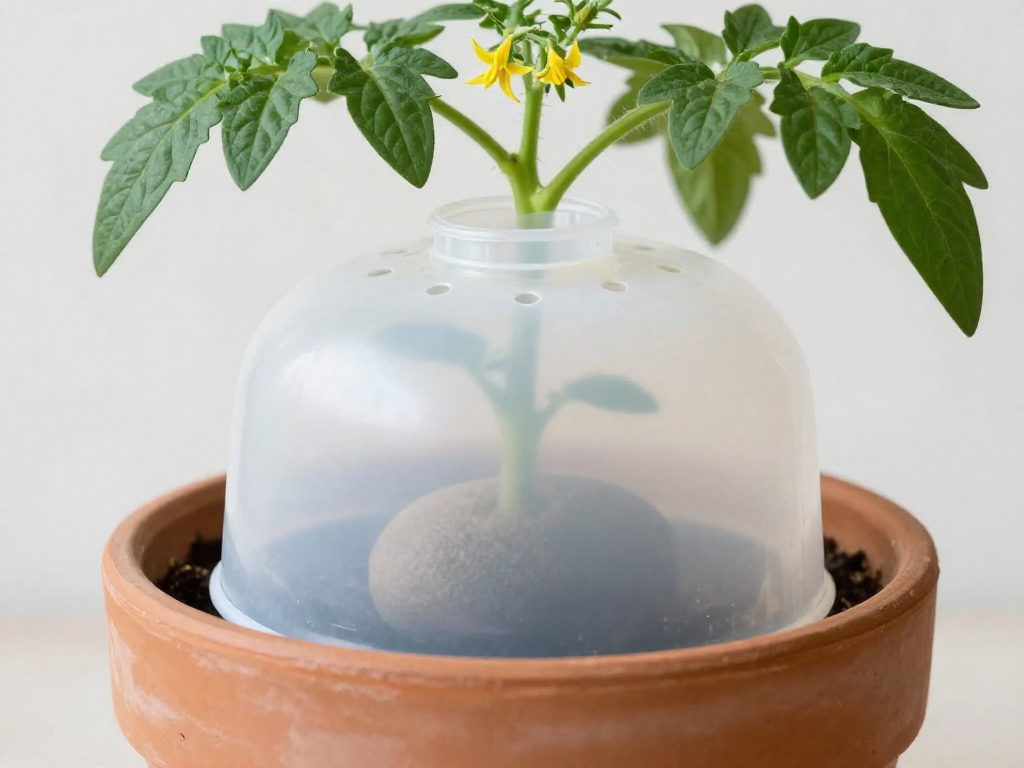
If you’re nurturing bushier plants like dwarf peppers or compact tomatoes, or want to shield a small cluster of seedlings, the gallon milk jug transforms into a spacious mini greenhouse that's easy to ventilate.
Start by thoroughly rinsing a gallon milk jug with warm soapy water to remove any residue. Let it dry completely. Using a sharp utility knife or sturdy scissors, carefully cut around the middle of the jug. To create a handy hinged lid, leave a few inches uncut near the handle — this lets you flip open the top for daytime ventilation without misplacing the lid.
Place the bottom half right over your potted plants. It’s roomy enough to cover a single larger specimen or several small pots huddled together. The jug’s wide base stabilizes well on most balcony floors, but if your railing shelf is narrow, consider putting a flat stone or brick inside the jug to anchor it.
For airflow, poke or drill several small holes near the top of the jug. This prevents overheating on sunny winter days and reduces moisture buildup that can lead to rot. A heated nail or a drill bit works cleanly on the plastic.
Secure the jug so wind doesn’t send it sailing. If the handle is intact, push a bamboo stake through it and insert the stake firmly into the soil of the pot. Alternatively, weigh down the bottom edge with a few smooth stones or bricks. This is especially useful on breezy balcony ledges.
This cloche is a perfect fit for compact tomato varieties like Tiny Tim, dwarf peppers such as ‘Jingle Bells’, and tender flower seedlings like marigolds or snapdragons that need a little extra warmth after transplanting. On mild mornings, simply flip open the hinged section or remove the jug entirely to let pollinators in and excess heat out.
DIY Cloche #3: Bubble Wrap Row Cover for Rail Planters
Now let's tackle those long railing planters—perfect for rows of herbs, greens, and chives. Instead of covering individual plants, you can create a simple tent that shields the entire row from frost and chilly winds.
Start by measuring your planter’s length and height. You’ll want a piece of bubble wrap (the kind with larger bubbles gives extra insulation) or heavy‑duty clear plastic sheeting that runs the full length plus about 6–8 inches of overhang on each end. The extra material helps trap warmer air inside.
To form the tent, place two or three lightweight stakes at the corners and along the length of the planter. Bamboo skewers, thin dowels, or even sturdy plant markers work great. Push them into the soil at the front and back edges, leaving them a few inches taller than your tallest plant. Then simply drape the bubble wrap over the stakes, bubble‑side down for best insulation. Let the sides fall loosely, but don’t seal them completely—leave a little gap at the bottom for airflow, which prevents condensation and fungal issues.
Secure the cover with clothespins or a bit of garden twine tied to the railing. This keeps it from blowing away on windy nights. On sunny mornings, roll back or lift one side to let excess heat escape; you don’t want your plants to cook. The beauty of this method is how quickly you can open and re‑cover as needed.
This bubble wrap row cover is a game‑changer for protecting entire rows of salad greens, spinach, or chives through surprise frosts. It’s reusable, nearly free if you save packaging materials, and takes just minutes to set up. Your balcony herb garden will thank you with continued harvests well into the cooler months.
FAQ
Can I use a plastic bag as a cloche?
Yes, a clear plastic bag can work as a quick cloche in a pinch. Drape it loosely over the plant and support it with stakes to keep the plastic from touching the foliage, which can cause cold damage. Remove it once temperatures rise to prevent overheating.
When should I cover my balcony plants for frost?
Cover your plants in the late afternoon or early evening before a frost is expected, once the sun is low and the air begins to cool. This traps residual heat from the day. Check your local forecast and act when temperatures are predicted to drop near freezing, especially under clear, calm skies.
How do I secure cloches on a windy balcony?
Anchor cloches by weighing down the edges with heavy objects like rocks or bricks, or use clothespins to clip the plastic to the pot rim. For taller structures, tie them loosely to the plant support or railing. Avoid tight seals that could trap too much moisture; leave a small vent for airflow.
Do I need to remove the cloche during the day?
Yes, you should remove or vent the cloche once temperatures rise above freezing the next morning. Plastic traps heat and moisture, which can quickly cook your plants on a sunny day or encourage fungal diseases. Open the top or side, or take it off entirely until needed again.
What temperature is too low for container plants without protection?
Most tender container plants suffer damage when temperatures drop below 32°F (0°C). However, many balcony favorites like succulents or tropicals may begin to show stress even in the mid-30s. It's safest to protect any non-hardy plant when forecasts dip near freezing, as containers lose heat faster than ground soil.
Can I make a cloche for a large potted shrub?
Absolutely. For large shrubs, use a tomato cage or build a simple frame from bamboo stakes and cover it with clear plastic sheeting or a frost blanket. Secure the covering well at the base and ensure it doesn't touch the leaves. You can also wrap the pot itself with bubble wrap for added root insulation.
Are there any plants that shouldn’t be covered with plastic?
Plants that need excellent air circulation, like lavender or rosemary, can rot under plastic if moisture builds up. Instead, use breathable frost cloth or burlap for these. Also, avoid plastic on plants with fuzzy leaves that trap moisture, as they are prone to fungal issues.