How to Add Storage to a Scooter With Almost No Boot Space
For many Malaysian scooter riders, the factory boot is barely enough for a raincoat and gloves. Discover practical ways to expand your scooter's carrying capacity without compromising style or safety.
Assess Your Current Storage and Daily Needs
Before adding storage, take honest stock of what your scooter's boot already holds. Grab a measuring tape and note the interior dimensions in centimetres—width, depth, and any irregular shapes near the hinges or seat base. A full-face helmet might nestle snugly, while a laptop bag might need a diagonal slide. Knowing these limits helps you avoid solutions that won't integrate with your existing space.
Next, list your essential daily carry. For Malaysian commutes, this often includes a rain cover or poncho, a helmet, a small toolkit, and perhaps a soft bag for groceries or a laptop sleeve for work. Be ruthless: if you've been carrying a chain lock you never use, leave it off the essentials. Then decide your priorities. Do you need waterproofing for sudden tropical downpours? Quick-access pockets for a Touch 'n Go card or phone? Or secure, hidden storage for valuables while you’re parked at a mamak stall?
Finally, think about how often you ride with a passenger. A pillion occupies most of the tail area, ruling out large saddlebags or tail boxes that extend backward. If you frequently ride two-up, your best bets may be under-seat organisers, front hooks, or compact tank bags. By clearly defining your must-haves and usage patterns, you'll narrow down the right storage gear without overcomplicating your scooter.
Top Accessories to Expand Your Scooter's Carrying Capacity
Adding storage to your scooter doesn't have to be complicated. Here are popular accessories you'll see on Malaysian roads, each with its own strengths and trade-offs.
- Hard top boxes (GIVI, SHAD, etc.) – These lockable, weather-resistant boxes come in various sizes. They're extremely popular for a reason: they keep your gear safe and dry. The main downside is the added width, which might make lane-splitting trickier. Ensure your scooter has a compatible mounting rack.
- Soft tail bags and saddlebags – Lightweight and easy to take off when you park, soft bags are great for occasional use. They're less secure than hard boxes and not always fully waterproof, but they mold to odd-shaped loads.
- Underseat storage organizers – Simple trays or net pockets that sit inside your existing underseat compartment. They're brilliant for separating small items like documents, tools, or a first-aid kit, making the most of every inch. Just measure your underseat cavity first.
- Front hooks and carrier racks – Many scooters come with a small hook, but you can upgrade to a sturdy carrier rack. Perfect for hanging grocery bags or a takeaway meal. Be mindful of weight limits and avoid blocking your feet or controls.
- Extendable luggage racks – These bolt-on frames let you carry bulky items like a box or an extra helmet. Always strap loads down tightly and check that nothing overhangs dangerously. Note that Malaysia's road regulations require loads not to protrude excessively.
Pick what matches your daily routine and riding style. A mix of these can turn your compact scooter into a surprisingly capable hauler.
Step-by-Step Installation Tips (Without Damaging Your Scooter)
Installing extra storage on your scooter shouldn’t be a nerve‑wracking experience. Most accessories are designed to go on without permanent modifications, but it’s the small details that keep your paintwork pristine and everything securely in place. Here’s how to tackle common add‑ons the right way.
What You’ll Need
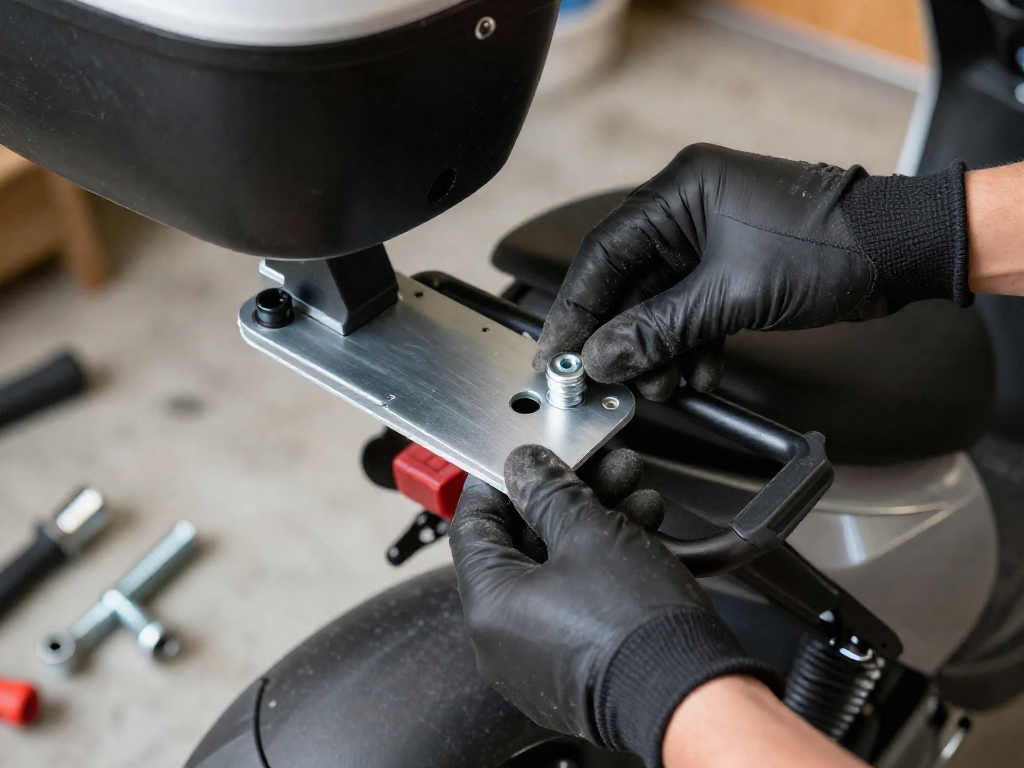
Gather a basic toolkit: a set of metric spanners or a socket set, a range of screwdrivers, and a soft cloth to protect bodywork. If you’re fitting a top box, you might also need a drill with the correct bit for the base plate — though many universal plates now come with pre‑drilled slots that match standard rack hole spacing. Always read the instructions that come with your accessory, because torque specifications can vary.
Mounting a Top Box Base Plate
If your rear rack already has mounting points, line up the base plate and loosely insert all bolts first. This allows you to shift the plate into the ideal position — usually centred and as far forward as possible to avoid straining the rack. Once you’re happy, tighten each bolt gradually in a cross pattern, keeping the plate flat. Use a torque wrench if you have one; typical M6 bolts take around 8–10 Nm, but over‑tightening can crack the plastic base or rack. Place rubber washers between the plate and the rack to reduce vibration and stop metal‑on‑metal scratches.
Wiring an LED Brake Light
Many top boxes come with an integrated LED strip that acts as a third brake light. Look for kits with a simple plug‑and‑play connector that matches your scooter’s tail light harness — no splicing needed. If your box uses bullet connectors, tuck them away from moving parts and wrap each connection with electrical tape or heat‑shrink tubing. Tie the wiring neatly to the rack with small zip‑ties, leaving a little slack so the box can still be opened without tugging on the wires. Test the light with someone pressing the brake lever before you reassemble any body panels.
Securing Soft Bags
Roll‑top dry bags and seat‑bags are brilliant for occasional use, but flapping at speed can wear through paint. Use the provided straps and route them around solid frame points, not just through plastic trim. If the bag doesn’t come with non‑slip backing, put a layer of clear paint protection film or even a microfibre cloth between the bag and the scooter. Cinch the straps down until the bag doesn’t rock, but check you haven’t compressed the seat padding to the point where the seat catch struggles to lock.
No‑Drill Alternatives
If you’d rather not touch a drill, look for clamp‑on rear racks that use the passenger grab rails or frame tubes. These racks sandwich onto the metalwork with rubber‑lined clamps and can support a top box or soft luggage just as well. For light items inside the front storage cubby, heavy‑duty adhesive hooks stuck to smooth surfaces can hold a helmet bag or rain gear in place — just clean the surface with isopropyl alcohol first and let the adhesive cure for 24 hours before hanging anything.
A final once‑over before you ride: give every attachment a firm wiggle and make sure nothing blocks the lights, indicators, or your number plate. A few minutes of careful installation means you can load up with confidence, knowing your scooter’s finish is safe.
Malaysian Road Rules and Safety With Extra Storage
Adding storage to your scooter comes with the responsibility of staying within JPJ regulations and riding safely. Here’s what you need to know before hitting the road with loaded bags.
Stay within legal width limits.
Under Malaysian road transport rules, your scooter’s overall width must not exceed the manufacturer’s original specifications. Side panniers or saddlebags should not protrude beyond the handlebars or the widest factory point. If your bags stick out further, you risk a fine during JPJ checks. A quick measurement before installing will save you trouble.
Balance the load for stable handling.
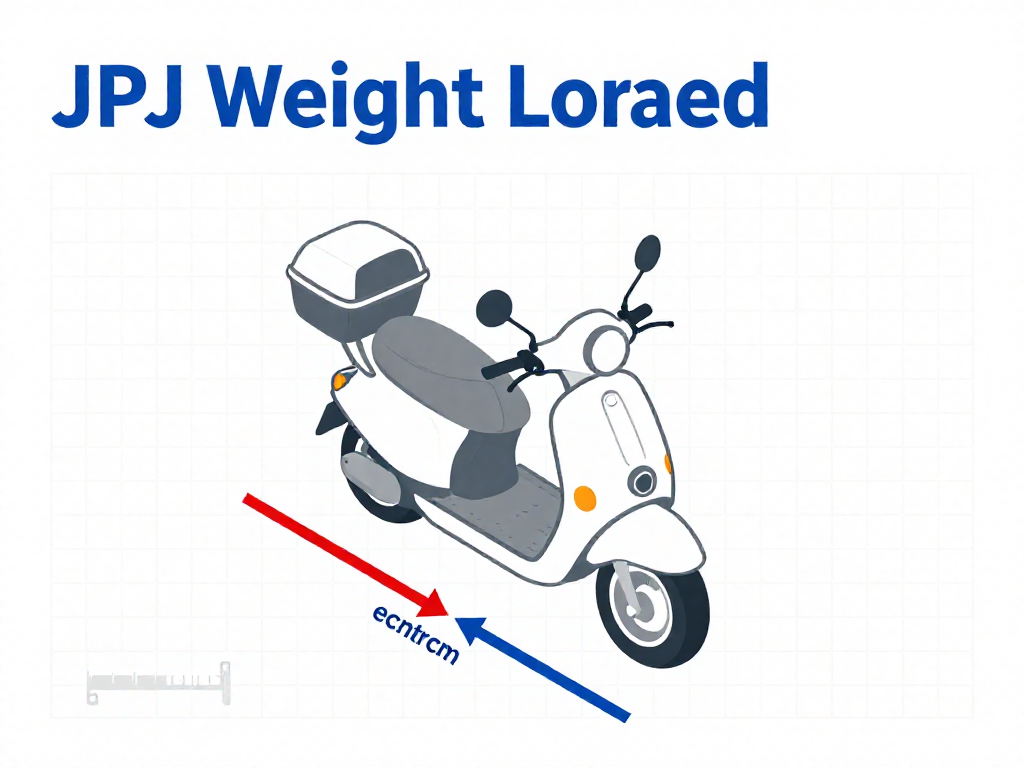
Place the heaviest items as low as possible and close to the scooter’s centre of gravity. For most scooters, that means using the underseat compartment for dense objects, then filling top boxes only with lighter gear. Uneven weight distribution makes the scooter harder to control, especially during low‑speed manoeuvres or sudden swerves.
Expect changes in braking and cornering.
Extra weight increases stopping distance, so brake earlier and more gently. When leaning into a corner, the added mass wants to keep going straight—take bends slower and avoid aggressive inputs. You’ll also burn slightly more fuel, particularly on uphill stretches, so plan your fill‑ups accordingly.
Protect your gear when parked.
Soft fabric bags are easy for thieves to slash or unclip. Whenever possible, remove them and bring them with you, or choose lockable hard cases with security bolts. Even hard top boxes should be secured with non‑standard fasteners to slow down opportunistic theft.
Keep lights and signals visible.
Wide saddlebags can obscure your tail light, brake light, or turn indicators. Before you ride, have a friend check that all rear lighting is clearly visible from a car driver’s perspective. If anything is blocked, install signal extenders or reposition the bags. Your safety depends on other road users seeing your intentions.
Where to Buy Scooter Storage Accessories in Malaysia
Fortunately, scooter storage accessories are widely available across Malaysia, both in physical shops and online. GIVI flagship outlets and authorised dealers stock a comprehensive range of top boxes, saddlebags, and mounting hardware specifically designed for popular scooter models. For budget basics like bungee cords, cargo nets, or small dry bags, check your nearest Mr DIY branch — they often carry simple solutions at low prices. Many local motorcycle accessory kedai also offer personalised advice and may let you test-fit items before buying.
Online marketplaces make it easy to browse and compare. On Shopee and Lazada, use search terms that include your scooter model (for example, "Yamaha NMAX top box rack" or "Honda ADV150 saddlebag") to find compatible kits. Pay attention to seller ratings and reviews, and confirm the dimensions to avoid returns. Some sellers bundle installation tools or provide video guides.
If you're on a tight budget, second‑hand platforms like Mudah.my and Facebook Marketplace can yield good deals on pre‑owned boxes and bags. Inspect locking mechanisms and mounting brackets carefully, and ask for actual photos to spot cracks or UV damage.
Not confident with a wrench? Many motorcycle accessory shops offer installation services for a small fee, often waiving it if you purchase the accessories from them. It's a quick, worry‑free way to get your extra storage securely mounted — just factor in the trip to the workshop.
Maintenance and Long‑Term Care for Your Storage Add‑ons
Scooter storage accessories are subjected to constant vibration, weather, and daily use, so a little routine care goes a long way. Once a month, grab a spanner and check all mounting bolts, clamps, and brackets for tightness. Motorcycle vibrations can slowly loosen even well‑installed hardware, and a rattling box is a safety risk. If you hear any knocking sounds while riding, pull over and snug things up before continuing.
Hard cases and top boxes need occasional cleaning to stay looking good and functioning smoothly. Use mild soap and water—avoid harsh chemicals that can degrade plastic or rubber seals. Rinse thoroughly and dry with a microfiber cloth. For boxes with locks, apply a few drops of graphite lock lubricant every couple of months, especially after frequent rain exposure. This prevents corrosion and sticky mechanisms that could leave you locked out of your gear.
Soft luggage like saddlebags and tunnel bags demand a different kind of attention. Inspect the fabric for tears, frayed stitching, or fading after a long trip or heavy downpour. Even high‑quality materials eventually wear, but you can extend their life by patching small holes with repair tape designed for outdoor gear. If your bag has a waterproof coating or rain cover, test its effectiveness by spraying water on it; if the water no longer beads up, reproof the fabric with a spray‑on waterproofing treatment at least once a year.
Finally, don’t overlook the small parts that keep everything secure. Worn‑out rubber grommets, frayed straps, or cracked buckles can fail at the worst moment. Replace them as soon as you spot any damage. Many manufacturers sell spare parts kits, or you can find universal straps at local motorcycle accessory shops. Keeping a spare set of mounting rubbers and a few zip‑ties under your seat is a cheap insurance policy against a sudden rattle or loose cargo on the road.
FAQ
Can I install a top box without drilling into my scooter?
Many top box mounting plates are designed to use existing rear rack bolt holes, avoiding the need for drilling. If your scooter lacks a rack, you can often install a model-specific bracket that clamps or mounts to the passenger handrail points. Always check compatibility with your scooter's make and model to maintain structural integrity.
Will adding a top box affect my scooter's fuel consumption?
A top box adds minimal weight and creates slight aerodynamic drag, so you might see a negligible increase in fuel consumption—usually within 0.1-0.2 litres per 100 km. The effect is more noticeable at highway speeds or with a very large box, but for most commuting, it's barely worth calculating. Keeping the box streamlined and not overloading it helps.
Are soft saddlebags waterproof enough for Malaysian rain?
Most high-quality soft saddlebags come with rain covers and use water-resistant materials, but during a heavy tropical downpour, water can still seep through seams or zippers. For Malaysian weather, look for bags with a high waterproof rating (IPX4 or better) or use waterproof inner liners for electronics and documents. Regular maintenance, like reapplying waterproofing spray, can also extend their effectiveness.
What's the maximum weight a typical scooter can carry safely?
Most scooters have a maximum load capacity listed in the owner's manual, often between 150 kg to 180 kg including rider, passenger, and cargo. Exceeding this strains the suspension, brakes, and tyres, affecting handling and safety. Check the manufacturer's specifications for your exact model, and always distribute weight evenly.
Do I need to inform JPJ or my insurer after installing a top box?
In Malaysia, a top box is considered a removable accessory, so you don't need to notify JPJ or update your vehicle registration. However, inform your insurer if the box is permanently attached or of high value, as it may affect coverage for theft or damage. Check your policy, but typically minor additions do not require notification.