How to Keep Your Helmet From Smelling in Humid Weather
You finish a ride through KL’s stop-and-go traffic, pull off your helmet, and get hit by a stale, musty smell. In Malaysia’s tropical humidity, helmet odor is a common struggle. But a smelly helmet isn’t just unpleasant—it can be unhygienic. This guide gives you simple, effective ways to keep your helmet fresh, no matter how much you sweat.
Why Helmets Get Smelly in Humid Weather
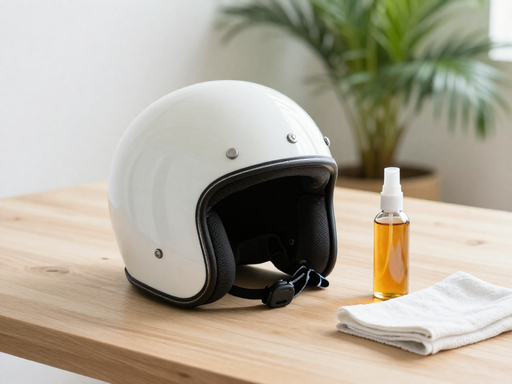
Your helmet liner acts like a sponge, soaking up sweat, natural skin oils, and dead skin cells every time you ride. In Malaysia’s tropical climate, these organic deposits don’t just sit there—they become a feast for odor-causing bacteria. With high humidity and temperatures that rarely dip, moisture stays trapped inside the padding, creating the perfect breeding ground for microbes. Before you know it, your helmet develops that unmistakable funk.
Beyond the unpleasant smell, a bacteria-laden liner can irritate your skin, especially if you’re prone to acne or rashes. Over time, the buildup can also break down the inner fabrics and EPS foam, compromising the helmet’s fit and safety. Keeping things fresh isn’t just about comfort—it’s part of responsible gear maintenance in our humid weather.
Daily Habits to Keep Your Helmet Fresh
After every ride, a few simple habits can make a big difference in preventing odors. Start by removing your helmet from its storage box as soon as you arrive home—leaving it sealed in a hot compartment traps moisture and bacteria. Use a dry microfiber towel to gently wipe down the interior padding, focusing on areas that contact your forehead and cheeks. This removes sweat before it soaks in. Overnight, tuck a small dehumidifier packet or silica gel sachet inside the helmet to absorb lingering humidity, especially in Malaysia’s tropical climate. Finally, wear a helmet liner or skull cap under your helmet; these thin, washable layers wick sweat away from the padding and can be tossed in the laundry after each use. By building these steps into your daily routine, you’ll keep your helmet feeling and smelling fresh for longer.
Step-by-Step Guide to Deep Cleaning Your Helmet Liner
Start by checking your helmet for removable interior parts. Most modern helmets have cheek pads and a crown liner that can be taken out with gentle tugs. If yours has them, it makes a deep clean much easier.
For removable liners: Fill a basin or sink with lukewarm water and add a small amount of mild soap – baby shampoo or a delicate fabric wash works perfectly. Submerge the liner and cheek pads, then gently squeeze and agitate by hand. Never twist or wring the padding, as that can damage the foam. Rinse thoroughly with clean lukewarm water until all soap is gone. After washing, roll the pieces in a dry towel to press out excess moisture, then lay them flat in a shaded, airy spot to dry completely. A fan set on low can speed things up, but keep them out of direct sunlight, which can degrade the materials.
Cleaning a non-removable interior: When the liner cannot be removed, grab a helmet cleaner spray designed for inner fabrics. Lightly mist the interior, let it sit for a minute, then use a soft-bristled brush (like a painting or upholstery brush) to gently work the solution into the padding. Wipe away loosened grime with a clean microfibre cloth. Finish by patting the interior dry with a dry towel and letting the helmet air out in a well-ventilated area, away from direct heat.
Drying your helmet: Humidity in Malaysia slows down drying, so patience is key. Avoid the temptation to place your helmet near a radiator or under the hot sun – excessive heat can weaken the EPS foam and shell. Instead, let it sit in a breezy room or under a ceiling fan until every part feels bone-dry. Even a hint of dampness can reignite the mildew cycle.
Don’t forget the visor: While the liner dries, tackle the visor separately. Use a soft microfibre cloth and a mild, non-ammonia cleaner or plain water. Wipe in straight lines to avoid scratches, and ensure it’s fully dry before reattaching. Cleaning the visor prevents built-up grime from transferring back onto the fresh liner the moment you wear it again.
Natural Deodorizers and DIY Freshening Hacks
When you need to quickly freshen your helmet between deep cleans, simple household staples work wonders without the risk of harsh residues. One of the easiest tricks is baking soda: sprinkle a generous amount directly onto the inner liner, gently work it in, and let it sit overnight to absorb moisture and odours. In the morning, simply vacuum or shake out the powder—your helmet will feel noticeably fresher. For a light, refreshing scent, create a natural spray by mixing a few drops of tea tree or lavender essential oil with water in a small spray bottle. Lightly mist the interior and allow it to air-dry completely before wearing; these oils also have mild antimicrobial properties. Another effective method is to tuck a couple of dried, used tea bags or a small sachet of dry coffee grounds inside the helmet when storing it. Both are excellent at soaking up lingering smells and are safe to leave in place for a day or two. It’s important to avoid strong chemicals like bleach or ammonia at all costs—they can break down the EPS foam and delicate liner materials, compromising safety and comfort. By relying on these gentle, natural solutions, you’ll keep your helmet smelling pleasant without damaging its protective structure.
Choosing a Helmet That Fights Odor in Humid Climates
When you're shopping for a new helmet, a few key features can make all the difference in preventing that damp, stale smell—especially in our Malaysian weather. Start by checking the ventilation system. Look for helmets designed with multiple intake and exhaust ports that actively channel air through the shell while you ride. This constant airflow helps evaporate sweat before it soaks into the padding.
Next, pay attention to the liner material. Many helmets now use moisture-wicking fabrics treated with antimicrobial properties, such as Coolmax or bamboo charcoal finishes. These not only feel cooler against your skin but also resist the growth of odor-causing bacteria. For the best results, ensure that both the cheek pads and crown liner are fully removable and machine-washable—this lets you deep-clean them regularly without hassle.
If you spend a lot of time in stop-and-go traffic, consider a half-face or modular helmet that offers better breathability at lower speeds. The open design allows heat and moisture to escape more effectively, reducing the stuffy environment that bacteria love. Investing in a helmet with these qualities upfront can save you a lot of scrubbing later on.
FAQ
What is the best way to dry a helmet after cleaning?
Place the helmet in a well-ventilated area away from direct sunlight. Use a fan or air-dry naturally, never with heat sources like hairdryers, which can degrade the EPS liner. Ensure the interior is completely dry before storing to prevent mildew growth in Malaysia's humidity.
Can I use fabric softener on my helmet liner?
Avoid fabric softeners as they can leave residues that trap moisture and irritate skin. Instead, use mild detergent or helmet-specific cleaners that rinse clean and maintain wicking properties. Softeners also reduce the breathability of the liner material.
How often should I wash my helmet liner?
Wash your helmet liner every two to four weeks depending on usage frequency and sweat. In Malaysia's heat and humidity, more frequent washing might be needed—some riders clean weekly. Always check manufacturer guidelines for removable vs. fixed liners.
Is it safe to put my helmet in the sun to kill bacteria?
No, direct sunlight and heat can damage the helmet's shell and inner foam, compromising safety. UV rays degrade plastics and glues over time. Instead, kill bacteria by using antibacterial sprays or washing with mild detergent and ensuring thorough drying in shade.
What home remedy removes sweat smell from helmets fast?
A mixture of white vinegar and water (1:1) spritzed inside and wiped down can neutralize odors quickly. Alternatively, sprinkle baking soda overnight, then vacuum out—both common Malaysian home remedies that combat sweat smell without harsh chemicals. Always air-dry properly after.