Gear That Keeps You Cool While Still Protecting You
Riding in Malaysia's tropical heat can make protective gear feel like a sauna, but choosing the right cooling solutions means you don't have to sacrifice safety for comfort.
The Heat vs. Protection Dilemma: Why Malaysian Riders Need Cooling Gear
Riding under the Malaysian sun is a daily reality for many of us. The intense tropical heat and high humidity make it tempting to skip protective gear for the sake of staying cool. But the risk of heat exhaustion is real—symptoms like dizziness, fatigue, and dehydration can set in faster than you think, especially during long commutes or weekend rides when your body is under constant stress.
Many riders believe that protective gear is always hot, heavy, and suffocating. This misconception often leads to riders choosing between safety and comfort, but it doesn’t have to be that way. Modern motorcycle gear has evolved significantly, with advanced materials that tackle the heat head-on.
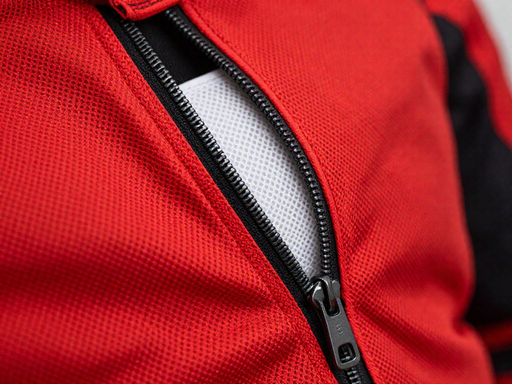
Breathable textiles, ventilated mesh panels, and moisture-wicking liners are now standard in quality riding jackets and pants. These materials allow air to flow continuously, drawing sweat away from your skin and promoting evaporative cooling. CE-rated armour is integrated into lightweight, flexible constructions that don’t trap heat. Even gloves and helmets now come with enhanced ventilation systems designed specifically for hot climates.
By choosing the right gear, you can stay protected from road rash and impacts while keeping your body temperature in check. The key is looking for gear that’s specifically marketed as ‘warm-weather’ or ‘mesh’ and ensuring it meets safety standards. Don’t trade safety for a false sense of cool—with today’s technology, you can have both.
Key Features to Look for in Cooling Protective Gear
Finding gear that truly keeps you cool while still protecting your skin takes a bit of know-how. It’s not enough to just pick the lightest jacket—you need materials and design elements that work with your body and the climate. Here are the features that make the biggest difference when you’re riding in Malaysia’s heat.
CE-certified armour with ventilation channels
Impact protection doesn’t have to be a solid block of foam. Look for CE-rated shoulder, elbow, and back protectors that have air channels moulded right into them. These let air flow through the armour instead of trapping heat against your body, keeping the safety without the sweat-soaked padding.
Mesh, textile blends, and perforated leather
The outer shell matters just as much. Mesh jackets offer maximum airflow—ideal for stop-and-go city rides. Textile blends often use tight weaves that resist abrasion while still breathing surprisingly well. If you prefer the feel of leather, go for perforated panels that allow air to pass through without sacrificing the slide protection leather is famous for.
Moisture-wicking liners and anti-bacterial fabrics
Humidity can make even a short trip feel sticky. A liner that pulls moisture away from your skin helps you stay dry and cool. Many modern options also include anti-bacterial or anti-microbial treatments to fight odour—a thoughtful touch for daily commuters who can’t wash their gear every day.
Adjustable vents and removable thermal liners
Versatile gear lets you adapt as the day changes. Jackets with zip-open intake vents on the chest and exhaust vents on the back create a cooling air current inside. Removable thermal liners are equally handy: take them out for the midday sun, then zip them back in if an evening rain lowers the temperature. That one piece of gear can then serve you comfortably in many conditions.
Best Cooling Gear Types for Scooter and Motorbike Riders
Now that you know what features to look for, here are the gear types that truly keep you cool without sacrificing safety on Malaysian roads.
Mesh Jackets
Mesh jackets are the go-to for hot-weather riding. Their large open-weave panels allow air to flow directly onto your body, making stop-and-go traffic bearable. Choose jackets with CE-rated armor at the elbows, shoulders, and back—it stays in place despite the lightweight shell. Many include removable waterproof liners, so you stay prepared for sudden tropical downpours.
Ventilated Helmets with Internal Sun Visors
A full-face helmet might seem stifling, but modern designs channel air through chin and crown vents to pull heat away. Internal drop-down sun visors eliminate the hassle of swapping tinted visors, shielding your eyes from harsh sunlight without compromising night vision. Look for multiple adjustable vents and moisture-wicking liners for all-day comfort.
Riding Jeans and Pants with Kevlar and Cooling Panels
Lower-body protection doesn’t have to mean heavy gear. Riding-specific jeans and pants blend Kevlar or aramid fibers in impact zones with mesh or stretch panels for ventilation. Removable armor pockets let you add CE-level protectors, so you can ride protected then walk around comfortably off the bike.
Gloves and Boots with Perforations and Impact Zones
Short-cuff gloves with perforated leather or textile panels keep hands cool while hard knuckle and palm armor guards against slides. For your feet, ventilated riding shoes or boots with breathable membranes and molded ankle protection are ideal. Mesh inserts and lightweight designs ensure daily practicality, yet they still provide essential crush and abrasion resistance.
Practical Tips to Stay Cool and Protected on Every Ride
Beyond the gear itself, a few smart habits can make a world of difference when you're riding under the Malaysian sun. First, consider layering a cooling vest underneath your protective jacket. It activates with water and delivers hours of evaporative cooling, helping your body stay at a comfortable temperature even in stop-and-go city traffic. If a vest feels bulky, a damp bandana around your neck offers a simple, low-cost alternative.
What you wear matters, too. Light-coloured clothing and helmets reflect rather than absorb heat, keeping you noticeably cooler during midday rides. Combine this with a mesh or textile jacket in white, silver, or light grey, and you'll reduce the greenhouse effect under your gear.
Staying hydrated is essential, but it's often overlooked when you're in full gear. A slim hydration pack worn under or over your jacket lets you sip without stopping, while an insulated bottle mount on your scooter keeps water cool for hours. Make it a habit to top up before you feel thirsty—especially on long commutes or weekend rides to the outskirts.
Finally, plan your route with shade and timing in mind. Ride during the early morning or late afternoon to dodge the harshest rays, and choose roads with tree canopies or rest stops where you can rehydrate and cool down. Even a short break in the shade can reset your comfort level and help you stay focused and safe until you reach your destination.
Debunking Myths: Does Mesh Gear Really Protect You?
It’s easy to see the open weave of mesh gear and wonder if it will truly hold up when you need it most. The short answer is yes—modern mesh motorcycle jackets and pants can offer solid protection, but understanding how they work helps you make an informed choice.
Abrasion resistance: mesh vs. solid textiles
Traditional leather still sets the gold standard for sliding down asphalt, but high-quality mesh gear has come a long way. Look for jackets that combine heavy-denier mesh (typically 600D or higher) with abrasion-resistant panels in impact zones like elbows, shoulders, and back. Many manufacturers use materials such as Cordura or Keprotec that can withstand significant friction. While a full-solid textile jacket might provide slightly more slide time, a well-built mesh jacket can still prevent road rash in typical commuting spills. The trade-off is cooler airflow—a worthy compromise in Malaysia’s heat.
Armor that stays put
A common worry is that mesh’s flexibility might let armor shift during a slide. In reality, CE-rated protectors in mesh gear are held securely by dedicated pockets, hook-and-loop straps, or elastic cuffs. Most quality jackets allow you to adjust the fit so the armor sits snugly against your body. When you’re sliding, the outer fabric may take the initial abrasion while the armor remains in place over your elbows, shoulders, and spine. After a crash, always check that the armor hasn’t dislodged, but during normal wear it’s designed to stay put.
Real-world performance
We don’t have large-scale crash data specifically on mesh jackets, but rider experiences and manufacturer testing show they can perform admirably. In many common low-side or low-speed incidents, mesh gear has prevented serious injuries. The key is to invest in gear that meets safety standards (look for EN 17092 ratings) and to wear it consistently. Note that after a significant crash, any textile gear—mesh or solid—should be inspected and possibly replaced, as the fibers can degrade without visible signs.
Maintaining your cooling gear
To keep your mesh gear protective, clean it regularly according to the manufacturer’s label. Dirt and sweat can weaken fibers over time. Avoid harsh detergents that strip water-repellent coatings; if your jacket is water-resistant, reapply a spray-on treatment after washing. Inspect zippers, seams, and armor pockets for fraying or tears. When the mesh starts to thin or you notice holes, it’s time for a replacement. With proper care, a good mesh jacket will serve you well through many sweltering rides.
FAQ
Is mesh gear safe for highway speeds?
Yes, quality mesh gear designed with reinforced stitching and impact protectors at elbows, shoulders, and back can be safe for highway speeds. Look for gear that meets EN 17092 standards (like Class AA or AAA) for abrasion resistance. Always ensure the armor stays in place and the fit is snug to prevent the mesh from shifting during a slide.
Can I wear a cooling vest under any jacket?
Cooling vests work best under jackets with enough room to accommodate the extra layer without restricting movement or airflow. They are most effective with textile or mesh jackets that allow evaporation. Avoid wearing them under non-breathable rain jackets, as the cooling effect relies on air circulation.
How often should I clean my breathable riding gear?
You should clean breathable gear whenever it becomes soiled or after prolonged sweaty rides to maintain breathability and hygiene. For regular commuting, a wipe-down after each ride and a full wash every two to four weeks is advisable, following the manufacturer’s care instructions to preserve the protective materials.
What’s the best helmet for hot weather riding?
The best helmets for hot weather are well-ventilated full-face or modular helmets with multiple intake and exhaust vents to channel airflow. Look for models with moisture-wicking, removable liners that can be washed regularly. In Malaysia, a helmet with a sun visor or anti-fog shield can also improve comfort without compromising safety.