Anti-Theft Locks and Trackers Worth the Money
Are you worried about your scooter or motorbike getting stolen in Malaysia? Discover the anti-theft locks and trackers that actually work and are worth every ringgit.
Why Invest in Quality Anti-Theft Protection?
Motorcycle theft is an unfortunate reality in Malaysia, especially in urban hotspots like Kuala Lumpur and George Town, where bikes can vanish from parking lots or roadside spots in minutes. Thieves often target commuter scooters and kapchais because they are in high demand for parts or quick resale. Without proper security, you become an easy mark. Cheap locks from a pasar malam may look sturdy, but many can be snipped with bolt cutters or picked in seconds—giving you a false sense of safety.
Beyond the immediate loss, there’s a financial sting if your insurance claim falls through. Many policies require that your bike was secured with an approved locking device at the time of theft; if the insurer determines your lock was inadequate or not used, they could deny the claim. A quality lock or tracker doesn’t just deter opportunists—it also demonstrates you took reasonable care, which can be crucial when making a claim.
In short, a small investment now can save you from a huge headache later. A sturdy disc lock, a heavy-duty chain, or a discreet GPS tracker signals to a thief that your bike isn’t worth the trouble, and gives you an edge in recovery if the worst happens.
Types of Anti-Theft Locks That Work
Not every lock is created equal, and for Malaysian riders who park in open car parks, quiet lorong, or sometimes just outside the mamak, picking the right deterrent matters. Each type below has been proven effective when used correctly, and many riders combine two for layered peace of mind.
Disc brake locks are the go-to for daily commuters. They clamp onto the brake rotor, stopping the wheel from rotating. Most models are small enough to fit under the seat, and the bright colors act as a visible warning. Some come with a motion alarm that shrieks if the bike is nudged—useful if you're parked just steps away but can't see your scooter. Just remember to pop on a reminder cable so you don’t ride off with the lock in place.
Chain and padlock setups offer serious protection when you can loop them through a fixed object. Look for hardened steel chains with a nylon sleeve to protect your rim. They’re heavy, so they suit bikes with underseat storage or a top box rather than a pocket scooter. In Malaysian condo or apartment car parks, anchoring to a concrete pillar or steel railing transforms the chain into a formidable barrier. Buy the toughest padlock you can afford—cheap locks can be shimmed open in seconds.
Grip locks are simple throttle or brake lever clamps. They lock controls in place, making it physically impossible to twist the throttle or squeeze the brake. While not as robust as a disc lock, they’re brilliant for quick stops at the kedai runcit or when you’re just popping inside for a few minutes. They take seconds to fit and remove, and they’re a visual cue that the bike is immobilized.
U-locks are heavy hitters borrowed from the bicycle world, but they work on motorbikes with a strong anchor point. They resist prying and cutting attacks well, but the challenge is carrying one—scooters with a flat floorboard often lack a good place to stow a large D-lock. If your motorcycle has a luggage rack or you’re prepared to use a backpack, a U-lock through the rear spoked wheel and around a drain pipe or bike rack can be an excellent secondary lock.
GPS Trackers: Worth the Extra Cost?
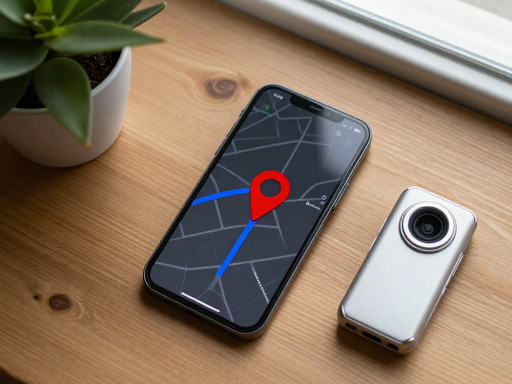
GPS trackers add a monthly bill, but they’re often the difference between never seeing your bike again and getting it back within hours. Most units tuck away under the seat or behind body panels—out of sight—and talk to your phone via a dedicated app. Once armed, you get real-time location updates on a map, so you can guide the police straight to the bike if it’s stolen.
Geofencing is the feature riders learn to love: you draw a virtual fence around your parking spot, and the tracker pings your phone the moment your scooter or motorbike rolls outside it. Combined with movement alerts, you’ll know something’s up before a thief gets far.
Battery-powered trackers are easiest to install—just hide one and recharge it every few days—but they can run flat at the wrong time. Wired-to-battery models draw power from the bike and never need charging; they’re more permanent, though installation is trickier. Some newer units even have backup batteries so they keep reporting if the main feed is cut.
The real cost to think about is the cellular subscription. Trackers need a SIM card with a data plan to send location data, and in Malaysia that usually means RM20–50 a month, depending on how often the device reports. Before you buy, check what network the tracker uses and whether you get strong coverage in your area. A cheap tracker that can’t get a signal is no better than a keychain ornament.
If your bike is your daily ride or a prized possession, the peace of mind is worth the ongoing fee. Look for devices with waterproof casing for our tropical downpours, and pair the tracker with a good disc lock—that way, you slow them down first, then track them down.
How to Choose Based on Your Parking Situation
Your choice of anti-theft gear should adapt to where and how you leave your bike. In Malaysia, theft risks vary between secure homes, workplace carparks, and public spots, so layering the right tools for each scenario makes a big difference.
At home: If you park at a landed property or in a private porch, a heavy-duty chain combined with a ground anchor offers strong resistance. Secure the chain through the frame and an anchor bolted into concrete. This setup deters thieves who attempt to lift or drag the bike.
Public parking: When commuting to malls, stations, or open lots, visual deterrence is key. A bright-coloured disc lock on the front brake rotor immediately signals that your bike is protected. Combine it with a motion-triggered alarm to draw attention if tampered with. The more noticeable, the better—thieves prefer easy targets.
Quick stops: For short errands like grabbing a drink or paying a bill, a lightweight disc lock with a built-in alarm is practical. It engages in seconds and emits a loud sound if disturbed, giving you peace of mind without the bulk of a chain. Slip it into your underseat storage when riding.
Overnight or long-term parking: If you must leave your bike unattended for hours or overnight, especially in risky areas, always pair a strong physical lock (such as a U-lock or chain) with a GPS tracker. The tracker provides a silent layer of recovery if the bike is stolen, while the physical lock slows down the thief. Many affordable trackers now come with geofence alerts suited for Malaysian urban environments.
Remember to check your insurance policy—some insurers offer discounts for approved locks. Adapt these layers to your daily parking habits, and you’ll greatly reduce the risk of theft.
Layered Security: The Best Defense
Relying on a single anti-theft measure is a bit like using only a steering lock—it gives a false sense of security. The most effective approach is to combine several deterrents so that if one fails, others still stand in the way. Start with a sturdy physical lock, like a disc lock or a heavy chain, to lock your bike to an immovable object. Add a fitted cover that conceals the model and makes it harder to access quickly. An audible alarm that blares when the bike is moved or tilted will draw attention and might scare off an amateur thief. If a thief somehow defeats all these, a hidden GPS tracker gives you a chance to track and recover your bike. It’s the backup plan that kicks in when the front line fails.
A common mistake is trusting a single cheap lock. These can be cut or smashed in seconds, leaving your scooter vulnerable. By layering security, you make your bike a much less attractive target compared to a nearby scooter with only a steering lock. Thieves look for easy opportunities, so the more time and noise it takes, the more likely they’ll move on.
FAQ
Are disc locks enough to prevent theft?
Disc locks are a good visible deterrent but alone are not enough to stop a determined thief with tools. For better protection, combine with a chain lock anchored to a fixed point, especially in Malaysian urban areas where opportunistic theft is common.
What is the best GPS tracker for a motorcycle in Malaysia?
Look for compact, waterproof GPS trackers with 4G compatibility for Malaysia’s networks, such as the Monimoto 7 or Invoxia Cellular GPS. These offer real-time tracking, long battery life, and geofence alerts, making them reliable for daily rider needs.
How much should I spend on a good chain lock?
Expect to spend between RM150 and RM300 for a quality chain lock with at least a 10mm hardened steel chain and a durable lock body. Brands like Oxford or Kryptonite with Sold Secure ratings provide good resistance against bolt cutters and leverage attacks.
Can GPS trackers be hidden easily on a scooter?
Yes, most modern bike trackers are small and can be discreetly placed inside the underseat compartment, behind front panels, or in the glovebox. Choose battery-powered models without external antennas to enable easier concealment on scooters with limited space.
Do I need a tracker if I already have insurance?
A tracker is still valuable because it helps recover your motorcycle quickly, which insurance alone doesn’t guarantee. Some Malaysian insurers offer premium discounts for installed trackers, and it reduces the hassle of claims and potential loss of no-claim bonus.