Minimalist Balcony Garden Design: Less Is More for Urban Spaces
Hook: Urban dwellers overwhelmed by clutter; proposition: simplicity brings calm and style. Promise: practical steps to achieve a clean, modern balcony garden.
The Principles of Minimalist Balcony Design
Minimalist design transforms a small balcony into a serene escape by focusing on simplicity and intentionality. Instead of cramming in every plant and chair you can find, you’ll curate a space that feels open, calm, and perfectly suited to urban living. Here are the guiding principles to bring this look to your own balcony.
Let the Space Breathe
A common mistake is filling every corner. Negative space—the empty areas between objects—is what makes a minimalist balcony feel larger and more peaceful. Aim to keep at least 30% of your floor and surface area completely clear. For example, float a single lounger in the center rather than lining walls with seating, and resist the urge to hang plants on every railing hook.
Choose One Standout Focal Point
Trade a dozen mismatched pots for one high-quality planter or a sculptural plant. A single olive tree in a textured ceramic vessel draws the eye and grounds the design far more effectively than a cluttered collection. In furniture, pick one durable, well-crafted piece—like a low-profile acacia bench or a sleek metal side chair—and skip the folding extras.
Control Your Color Palette
Stick to a strict, limited palette to unify the balcony. Monochromatic schemes (all whites, grays, or warm taupes) create instant cohesion and make the space feel larger. If you want a hint of color, add a single accent—a muted terracotta pot or a cushion in sage green—against a backdrop of neutral walls and flooring. Avoid busy patterns, which can visually fragment a tiny area.
Embrace Clean Geometric Lines
Simple shapes reinforce the minimalist aesthetic. Look for planters with crisp rectangular or cylindrical profiles, and choose furniture with straight legs or rounded, unembellished curves. Avoid ornate detailing: a square wooden stool serves better than a baroque side table. When the geometry is consistent, the balcony reads as orderly, even when plants grow in.
By following these principles, you’ll build a minimalist balcony that’s more than just tidy—it becomes a daily retreat, where every element earns its place.
Selecting a Cohesive Plant Palette
A curated plant palette is the soul of a minimalist balcony. Instead of a chaotic mix, you’re going for a calm, intentional collection where each plant feels like it belongs. Think of this as slow gardening – less variety, more impact.
Lean on foliage with clean lines. Structural plants bring year-round presence without demanding constant blooms. Try snake plant for upright, sword-like leaves that thrive in low light; ZZ plant for glossy, almost sculptural leaflets; or a compact agave for a dramatic rosette that says ‘modern desert’ without the maintenance drama. These aren’t just fillers – they’re the backbone of your design.
Accent with one flower color. Color can quickly clutter a minimalist space, but a single hue repeated in a bloom or two draws the eye without visual noise. Pick white for crisp freshness, soft pink for warmth, or vivid blue for a cool pop. Then stick to it. A cluster of three identical ceramic pots with the same flowering plant, say cheerful yellow violas, reads as a unified statement rather than a distraction.
Play with scale and proportion. Vertical interest is key in tight quarters. Place a tall, upright plant like a dracaena or a slim Italian cypress in a corner to lift the gaze and make the balcony feel taller. Contrast it with low, sprawling foliage at its base. This simple pairing creates a layered, gallery-like effect even in a small footprint.
Group in odd numbers. It’s a designer’s trick that works wonders in gardening. Arrange plants in threes or fives rather than pairs. Three identical pots of airy ferns on a shelf, or a cluster of three different foliage plants (one tall, one medium, one cascading) forms a composed vignette. Odd numbers feel dynamic yet balanced, like a carefully styled still life.
Remember, every plant you add should earn its keep. Low-maintenance choices mean you spend less time fussing and more time enjoying your serene green escape.
Pots and Planters: The Foundation of Clean Design
When designing a minimalist balcony garden, your choice of pots and planters is just as important as the plants themselves. In a compact urban space, every detail counts, and the containers you use can either amplify or disturb the sense of calm you're aiming for. The key is to create a unified, serene backdrop that lets your greenery take center stage.
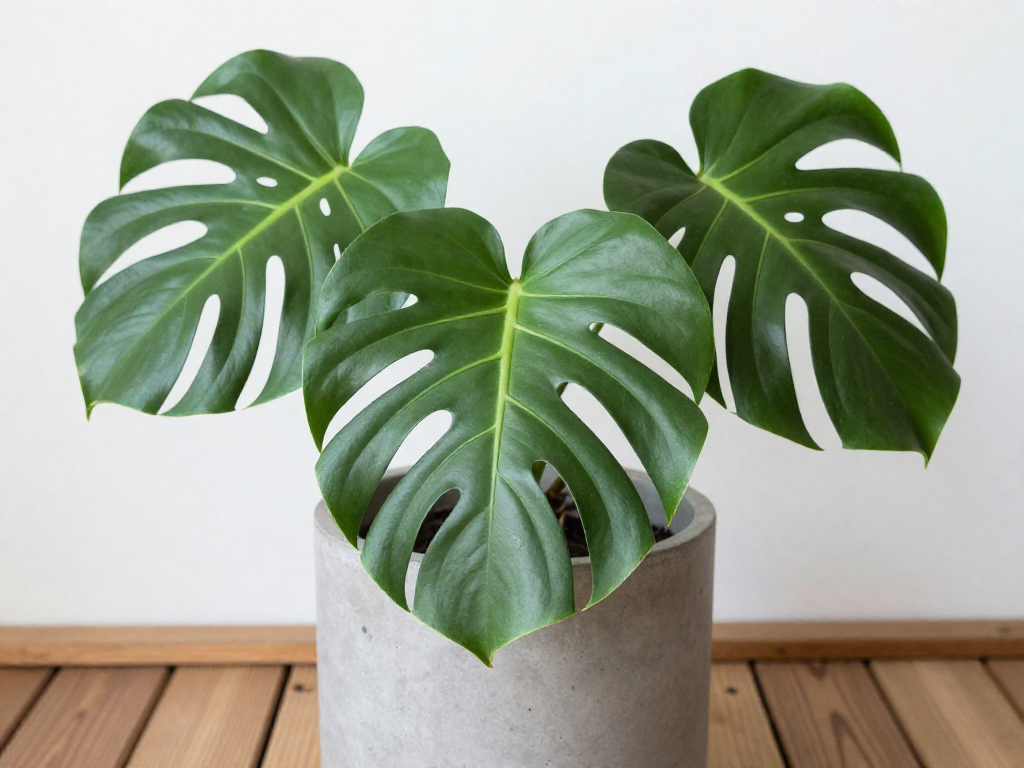
Start by choosing a single material for all your planters. Materials like concrete, terracotta, or matte ceramic work beautifully because they offer a natural, understated texture. Concrete brings a modern, industrial edge; terracotta adds warmth and breathability; matte ceramic provides a smooth, refined finish. By sticking to one material, you immediately reduce visual noise and establish a cohesive look that feels intentional and soothing.
Color consistency is equally vital. Opt for planters in the same hue—whether it’s classic terracotta, soft gray, or crisp white. Monochromatic pots fade into the background, creating a seamless canvas that highlights the textures and colors of your plants. This simple trick makes even a small collection of plants look curated and sophisticated.
Simplify the silhouettes: choose pots with clean, simple shapes like cylinders, cubes, or low bowls. Avoid ornate details or overly decorative rims that can distract the eye. Geometric forms echo the minimalist ethos and fit neatly against balcony railings or along narrow sills. A row of identical cylindrical pots, for example, can bring rhythm and order to a narrow ledge.
To keep your minimalist haven both tidy and low-maintenance, consider self-watering pots. These clever containers have built-in reservoirs that reduce the frequency of watering and prevent messy spills. They help keep surfaces clean and minimize the clutter of saucers and watering cans, letting you enjoy your balcony with less effort.
Remember, you don’t need to sacrifice personality for simplicity. Uniform planters can be your signature, but feel free to experiment within the bounds of your chosen material and palette. The goal is to cultivate a space that feels peaceful and personally yours—one thoughtfully chosen pot at a time.
Furniture and Decor: Functional and Understated
Choosing furniture for a minimalist balcony is all about making the space feel open and calm. The goal is to select pieces that serve a purpose without demanding too much visual attention. Start with slim-profile or folding items that tuck away when not in use. A pair of bistro chairs in matte black or natural wood can be hung on a wall hook, while a wall-mounted drop-leaf table provides a surface for morning coffee and then folds flat against the railing. These clever choices prevent the balcony from feeling cluttered and keep the focus on the greenery.
Multi-functional furniture is a true space-saver. Look for a storage bench that holds gardening tools or cushions inside, pulling double duty as seating and stash spot. Side tables with integrated planters let you keep a favorite succulent close without needing extra pots. Even a simple wooden crate can become a moveable seat and side table—just top it with a cushion in a neutral hue. Stick to a restrained color palette: warm wood tones, soft gray, or off-white blend effortlessly, allowing the plants to be the star.
When it comes to decor, less is definitely more. Choose one statement piece that reflects your personality—maybe a handwoven throw pillow with a subtle pattern, a small ceramic sculpture that catches the light, or a weather-resistant lantern. Resist the urge to add trinkets; each item should feel intentional. Clean lines are key, so opt for metal frames with geometric shapes, bentwood chairs, or rattan pieces with a simple silhouette. This approach makes the balcony feel like an extension of your indoor style, only more relaxed and airy. The result is a functional, stylish nook that invites you to breathe and unwind without any visual noise.
Creating a Serene Atmosphere with Lighting
Lighting is the unsung hero of a minimalist balcony. The right illumination extends your time outdoors and casts a soft, welcoming glow that never competes with your clean design. For a clutter-free look, think integrated and concealed sources that blend into the architecture.
Start with warm, dimmable LED strip lights. Tuck them under the railing, along the bottom of a bench, or behind a planter. The low-profile strips vanish during the day, but at dusk they bathe the space in a cozy, adjustable light. Next, use solar-powered stake lights to gently outline the balcony perimeter. Choose slim, simple stakes that push into potted plants or gaps between deck tiles—they charge during sunlight hours and automatically emit a subtle luminescence without any wires.
Create a single focal point with a candle lantern or a small portable table lamp. Place it on a side table or nestled among your plants. This one warm point of light adds charm and draws the eye without visual noise. Steer clear of overhead string lights, which often introduce a busy crisscross pattern that breaks the minimalist lines. Instead, lean into linear, hidden lighting that maintains the serene, uncluttered atmosphere you’ve worked to build.
FAQ
What are the best low-maintenance plants for a minimalist balcony?
Succulents like echeveria and sedum are ideal because they need minimal watering and thrive in small containers. Snake plants and ZZ plants add vertical structure with little care, while herbs like rosemary and lavender offer fragrance and resilience. Opt for plants with clean, architectural shapes to maintain the minimalist aesthetic.
How do I keep my minimalist balcony from looking boring?
Incorporate varied textures with plants like ferns or ornamental grasses, and use geometric planters at different heights to create visual layers. Add a single statement piece, such as a sleek bench or a sculptural pot, to serve as a focal point. Soft lighting or a subtle outdoor rug can also bring warmth without clutter.
Can I create a minimalist balcony garden on a budget?
Yes, start with affordable DIY planters from repurposed containers or thrifted pots painted in a cohesive color. Choose easy-to-propagate plants like pothos or succulents that multiply quickly, and focus on a few high-impact items like a simple bistro set. Thrift stores and online marketplaces are excellent for unique, low-cost finds.
What are the best colors for a minimalist balcony design scheme?
Stick to a neutral palette of whites, grays, and natural wood tones to create a serene backdrop. Muted greens from plants and subtle accent hues like terracotta or slate blue add depth without overpowering. Monochromatic schemes with varying shades of one color also achieve a clean, cohesive look.