Color Schemes for Small Balcony Gardens: From Monochrome to Tropical
Discover how the right color scheme can visually expand your small balcony, create a mood, and tie your plants and decor together—no design degree needed.
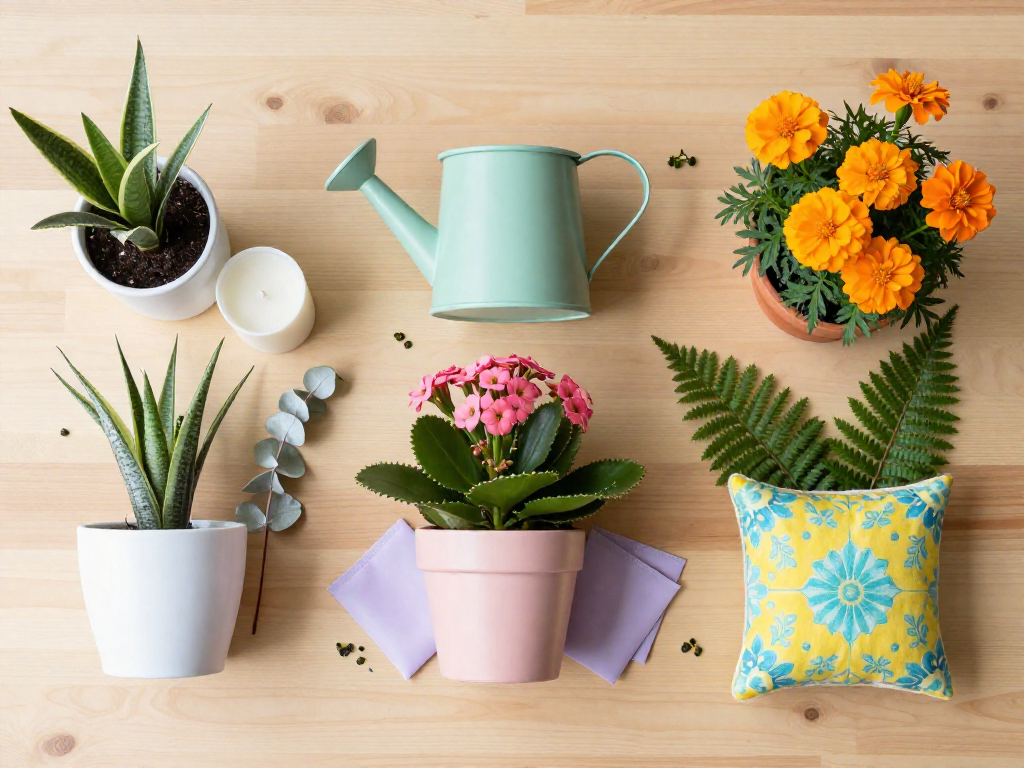
Why Color Matters in a Balcony Garden
On a compact balcony, every choice has an outsized impact—and color is no exception. The hues you surround yourself with can shape how your space feels and functions.
Lighter tones like soft whites, pale blues, and sage greens reflect more light, creating an airy openness that makes a small area feel larger. Meanwhile, sticking to a coordinated palette prevents the hodgepodge look that can make a balcony feel cluttered rather than cozy.
Beyond space perception, color directly influences mood. Cool shades such as lavender or seafoam invite a sense of calm and relaxation, perfect for morning coffee or evening unwinding. Sunny yellows and zesty oranges energize and add cheer, while rich pinks and deep reds bring a touch of romance. Want a getaway vibe? Dive into a tropical palette with bold magenta, lime green, and cobalt blue.
Ultimately, your color scheme sets the emotional temperature of your balcony garden. By choosing with intention, you craft a personal retreat that feels just right for you.
The Monochrome Balcony: Serene and Sophisticated
A monochrome palette transforms even the tiniest balcony into a calm, curated retreat. The secret lies not in dramatic contrast, but in the interplay of light, texture, and tone. When every element belongs to a single color family, the space feels intentional and serene—perfect for unwinding after a busy day.
Pick a hue that speaks to you
Start by choosing one color that feels right for your outdoor nook. Crisp whites glow in the evening and make small spaces airy. Soothing purples invite relaxation, while a full spectrum of greens mimics a lush, layered garden. Once you’ve settled on a main shade, gather plants, pots, and fabrics that live within that same family—think cream, ivory, and blush for a white scheme, or sage, emerald, and olive for green.
Let foliage do the heavy lifting
You don’t need flowers to create depth. Mix plants with dramatically different leaf shapes and finishes. Pair broad, velvety leaves (like lamb’s ear or caladium) with feathery ferns or spiky ornamental grasses. Variegation can add subtle highlights without breaking the single-color rule, as long as the underlying tone matches. A matte rubber plant next to glossy ivy creates texture that practically begs to be touched.
Layer shades and textures from the ground up
Think of your balcony as a three-dimensional canvas. Taller plants in darker pots can anchor corners, while trailing vines soften railings. Use plant stands or wall-mounted brackets to vary levels—light hits each leaf differently, making the space feel richer. Even within one color, you’ll find endless variation: a pale lavender is worlds apart from a deep eggplant, yet they coexist beautifully.
Accessories that unify without overpowering
Pots, cushions, and outdoor rugs in matching or near-match hues tie everything together. A set of ceramic containers in graduated tones of your chosen color makes the greenery pop. Weather-resistant throw pillows in the same family add comfort without visual noise. If you can’t find the exact shade, try painted terracotta or pillow covers you can tailor with fabric dye—small DIYs go a long way.
Keep it fresh and livable
Monochrome doesn’t mean static. Swap in a new leaf shape each season, or shift from light pastels in spring to richer shades in fall. Because the backbone is color harmony, any change feels cohesive. Water and prune with care—healthy plants always look more vibrant—and let the sunlight dance across your single-hue sanctuary.
Pastel Palettes: Soft, Romantic, and Airy
Pastels have a unique ability to transform a compact balcony into a soft, romantic retreat reminiscent of an English cottage garden. By choosing flowers in blush pinks, lavender, pale yellow, and mint green, you can layer these hues to create a dreamy, cohesive look. Mix and match blooms like pink petunias, lavender alyssum, pale yellow daisies, and green foliage plants such as mint or ferns.
To keep the palette fresh and uncluttered, pair these gentle tones with white or light gray planters. The neutral containers act as a clean canvas, preventing the space from feeling busy and allowing the pastels to shine.
For an airy feel, incorporate trailing plants that spill over the edges of pots and railing planters. Lobelia and bacopa are excellent choices, producing cascades of tiny flowers that soften hard balcony lines and draw the eye downward. Their delicate growth habit adds movement and whimsy without overwhelming the small space.
Remember, pastels also have the practical benefit of reflecting light, making a shady balcony appear brighter and more open. Start with a few key plants in a color you love, and gradually expand your palette as you gain confidence. This approach lets you experiment without feeling overwhelmed.
Tropical Color Explosion: Bold Greens and Bright Hues
Think of your balcony as a mini resort—with the right plants and accents, every glance can evoke a tropical escape. Achieving this look is simpler than you might think, even in a compact space.
Lush Green Backdrops
Start with a foundation of large-leaf foliage. Plants like banana (try ‘Dwarf Cavendish’ for small pots) and alocasia (such as ‘Polly’ or ‘Amazonica’) provide dramatic, jungle-like texture. Their broad leaves act as a living backdrop that makes smaller colorful blooms stand out. Place them against a wall or in a corner to maximize privacy and depth. Most tropical plants thrive in bright, indirect light, so if your balcony gets direct sun, provide some afternoon shade or gradually acclimate them.
Pops of Hot Color
To achieve that vacation vibe, introduce flowers in vivid shades of hot pink, orange, or red. Bougainvillea is a balcony favorite—it loves full sun and can be trained as a shrub or cascading over the railing. Mandevilla vines climb quickly on a small obelisk or trellis, offering a steady show of trumpet-shaped blooms. If you prefer something more upright, consider canna lilies (‘Tropicanna’ has striped leaves and tangerine flowers) or compact hibiscus. Group these plants together for a visual punch, ensuring they don’t get shaded by the larger foliage.
Vibrant Containers and Accents
Containers are more than just homes for plants—they’re color opportunities. Choose high-gloss ceramic pots in sunshine yellow, coral, or electric blue to complement the greens. If you’re on a budget, repurpose terracotta pots with weather-resistant acrylic paint in bold tropical hues. A small piece of furniture—like a painted wooden stool or a metal side table in a bright shade—can also anchor the palette. Even outdoor-safe cushions or a weatherproof rug in a tropical print can tie the scheme together.
Remember, a tropical balcony is meant to be playful and personal. Experiment with combinations that spark joy; if a certain pairing makes you smile, go for it. Water consistently (most tropicals like moist but well-drained soil) and fertilize every few weeks during the growing season for continuous blooms. Soon, stepping onto your balcony will feel like a mini getaway.
High-Contrast Combos: Modern and Graphic
Nothing grabs attention on a small balcony quite like high-contrast color pairings. By combining opposites on the color wheel—think purple and yellow, or blue and orange—you can create a modern, graphic look that feels intentional and edgy. The key is to let one color dominate and use the other as a punchy accent. For instance, fill deep purple planters with golden creeping Jenny or marigolds, then echo the blue-orange scheme with terracotta pots against cobalt blue cushions.
To keep the space from feeling chaotic, ground the bold palette with neutral hardscaping. Choose furniture and flooring in natural tones like gray, beige, or weathered wood. These quiet backdrops let the vivid combos shine without overwhelming your senses. A simple solid-colored rug or a collection of white plant stands can anchor the scene beautifully.
Cohesion comes from repetition. Weave your chosen contrast throughout the balcony in subtle ways: pick patterned throw pillows that mix both hues, hang a piece of wall art that echoes the combo, or cluster small accessories like lanterns and watering cans in one of the colors. Even the leaves of plants like coleus, with their purple-and-yellow variegation, can tie the scheme together naturally. With a little planning, your balcony will feel like a curated urban oasis.
Color Through Accessories: Pots, Cushions, and Decor
Plants are the stars of your balcony garden, but accessories are the supporting cast that can really make your color scheme sing. When blooms are sparse or your greenery leans heavily toward one shade, pots, cushions, and decor become your best tools for injecting personality and a cohesive palette.
Start with seating: a couple of weather-resistant cushions in your chosen colors can instantly define a zone. Look for outdoor fabrics that resist fading and mildew, and don't be afraid to mix solids with a subtle pattern that ties back to your scheme. A vibrant turquoise cushion against a neutral chair, for example, can echo the blue tones in your planters and create a polished look.
Next, think of containers as more than just homes for plants. Painted terracotta or glazed ceramic pots in complementary hues can double as art objects. Group a cluster of small pots in three shades from your palette for a curated feel, or use a single oversized planter as a bold accent. Lanterns, string lights, and wall-mounted art expand the possibilities further: a metal wall sculpture painted in a bright pop of coral or a set of Moroccan-style lanterns can add depth and warmth.
The beauty of relying on accessories is the freedom to refresh your balcony's look without digging up a single plant. When the seasons change, swap out cushion covers for a cooler or warmer tone, hang a different set of lightweight wall hangings, or rearrange your decorative lanterns. This approach keeps your tiny outdoor space feeling new and lets you experiment with trends without a major commitment.
FAQ
What is the best color scheme for a small balcony?
There's no one-size-fits-all best scheme; it's more about selecting a palette that complements your style while maximizing the feeling of space. Light, monochromatic combinations like different foliage greens with white flowers can make a balcony feel open and serene. For a bolder look, a restrained tropical palette—think vibrant pink and deep green—adds energy without overwhelming.
How can I use color to make my balcony look bigger?
Lighter and cooler hues, such as soft blues, pale greens, and whites, reflect more light and visually push the walls outward, creating an illusion of more space. Using this palette across planters, furniture, and accessories in a cohesive way keeps the eye moving smoothly, reducing visual fragmentation. Strategically placing dark accents can add depth without making the area feel cramped.
What plants work in a monochrome color scheme?
For a green monochrome scheme, mix foliage plants like ferns, hostas, and ivy with different leaf shapes and shades. If you prefer a white-flowered scheme, try annuals such as petunias, alyssum, and impatiens that bloom in pure white to brighten the space.
How do I mix and match colors without it looking messy?
Stick to a limited palette of three main colors and apply the 60-30-10 design rule: let one hue dominate 60% of the visual field, a secondary color take 30%, and an accent color fill the remaining 10%. Repeat colors through plants, pots, and decor to create rhythm, and anchor the look with neutrals like gray or black containers.
Can I change my balcony color scheme seasonally?
Absolutely, seasonal updates are one of the joys of balcony gardening. Swap out colorful annual flowers and small decor items like cushions or lanterns to reflect spring pastels or autumn warm tones while keeping larger, neutral furniture and perennial plants as a flexible base.