How to Mix and Match Balcony Furniture for a Cohesive Look
Tired of cookie-cutter furniture sets that lack personality? Discover the secrets to curating a balcony that feels uniquely yours by mixing and matching pieces with intention.
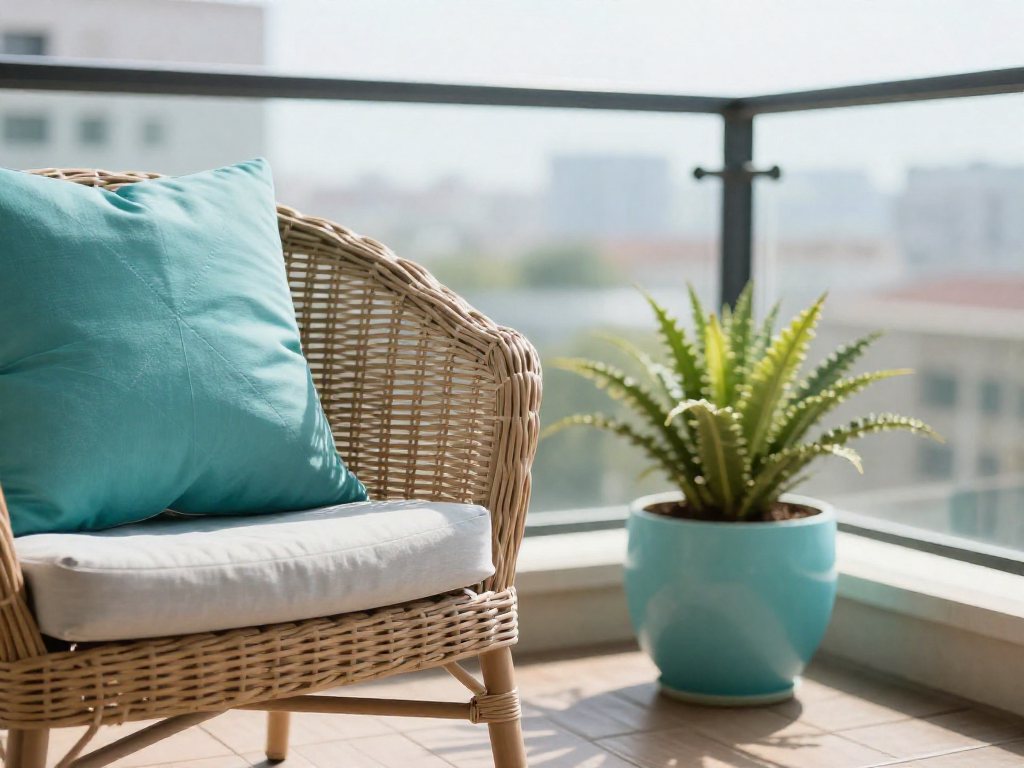
Start with a Unifying Anchor Piece
Every beautifully styled balcony begins with one standout item that sets the tone. Think of a patterned outdoor rug, a sculptural chair, or a colorful bistro table—something that instantly draws your eye and reflects your personality. Once you’ve chosen this anchor piece, use it as your design compass. Pull out two or three colors from its pattern or finish, and let those guide every other choice, from cushions and planters to side tables and lighting. For a relaxed boho vibe, you might start with a macrame hanging chair and echo its warm terracotta, cream, and dusty rose tones in your accessories. If your taste leans modern, a sleek metal bench in charcoal gray can anchor a monochrome palette with pops of greenery. This simple approach transforms a random assortment into a thoughtfully curated space that feels both unified and uniquely yours.
Master the Art of Mixing Materials
When mixing materials, aim for a curated trio—pick two or three that play nicely together. A fail-safe formula: combine a natural element like acacia wood or rattan, a sleek metal like powder-coated steel or wrought iron, and a soft touch from woven wicker or plush cushions. This keeps your balcony from feeling like a showroom and more like a personal retreat.
Contrast is your secret weapon. Rough jute or seagrass rugs instantly warm up smooth ceramic pots or glossy resin chairs. Matte metal frames feel grounded next to shiny porcelain stools. The trick is to balance opposites without letting one material shout louder than the rest.
Try these pairings that prove opposites attract:
- A rattan sofa with a concrete side table blends tropical texture with urban edge.
- Iron bistro chairs around a wooden folding table mix timeless sophistication with natural warmth.
- Powder-coated steel shelving paired with terracotta planters adds an industrial-chic vibe softened by earthy clay.
Remember, the best mixed-material setups look collected over time, not bought in one trip. Start with what you have, then layer in a contrasting piece—a ceramic stool here, a jute pouf there. The result is a balcony that feels cohesive yet full of personality.
Nail Scale and Proportion for Small Spaces
When every square foot counts, scale and proportion are your best friends. Start by measuring your balcony’s length and width—then mark out at least 2 feet of clear walking space between furniture pieces. This breathing room keeps the area from feeling cramped and makes it easy to move around while watering plants or relaxing with a book.
Next, think dual-purpose. Storage ottomans can hide gardening tools and serve as extra seating. Folding chairs and nesting tables tuck away when not in use, giving you flexibility for different activities without permanent clutter. Look for slim profiles: armless chairs and leggy, open-base tables create a sense of airiness that chunky, deep-seated furniture can’t match. By choosing pieces that respect your balcony’s dimensions, you’ll create a layout that feels generous rather than squeezed—even on the tiniest ledge.
Arrange Furniture for Flow and Zones
Even when your furniture pieces tell different stories, the way you place them can weave everything into a coherent, inviting space. Think about how you'll move around and use the balcony—defining clear zones makes a small footprint feel larger and more intentional.
Start by anchoring each zone with an outdoor rug. A well-placed rug visually ties together a seating group or a bistro set, giving mismatched chairs and tables a shared ground. Choose a rug with colors that echo accents from your pieces, or go neutral to let the furniture shine.
Next, experiment with angles. Straight lines against balcony walls can feel rigid, especially with mixed styles. Pull a loveseat slightly away from the wall and angle a chair toward it, forming an L-shape or a gentle diagonal. This softens corners and creates a more conversational nook, making even eclectic combinations feel curated.
Finally, protect the walkway—especially the path to the door. Keep that route clear by floating furniture off walls when possible. A small console table or planter behind a sofa can add depth without blocking access, and it turns an overlooked gap into a design moment.
Tie It Together with Coordinated Accessories
Once your furniture is arranged, it's the little details that make everything feel intentional. Accessories are your secret weapon for pulling together a mix of styles, materials, and eras into a cohesive, inviting balcony.
Start by pulling a signature color from your anchor piece—maybe the soft blue of a ceramic stool or the warm honey tone of a wooden bench. Then, sprinkle that hue into smaller accents like throw pillows, planters, or lanterns. This simple repetition tells the eye that everything belongs, even if the shapes and sizes differ.
If you’ve paired a vintage chair with a sleek modern sofa, bridge the gap with matching cushions or a common pattern. A pair of identical lumbar pillows in a bold floral or geometric print can seamlessly connect mismatched seating. Even a shared texture, like chunky knit throws or embroidered poufs, creates visual harmony.
Soft elements are also key to softening hard edges and blending materials. Consider draping a lightweight outdoor curtain to filter the light, or stringing warm fairy lights overhead for an instant glow. An all-weather rug underneath can define the space and anchor everything together. These layers not only add coziness but also make your balcony feel intentionally curated rather than accidentally cluttered.
With a few thoughtful accessories, your balcony will feel like an extension of your home—a personal oasis that reflects your unique style.
Common Mix-and-Match Mistakes to Avoid
Even when you follow the best advice, there are a few subtle traps that can throw off your balcony’s harmony. The first is being too generous with patterns and colors. A cohesive mix benefits from restraint—choose one hero pattern, like a striped rug or floral cushion, and let it shine. Then support it with no more than two accent colors pulled from that pattern. If you add a third bold color or another busy print, the eye has nowhere to rest, and the space starts to feel chaotic rather than curated.
The second pitfall is forgetting that your balcony is outdoors. You might swoon over that painted metal side table or a wicker chair that looks straight out of a sunroom catalog, but if they aren’t built to handle rain, wind, and direct sun, they’ll quickly lose their charm. Mixing materials is great, but every piece—whether wood, metal, rattan, or plastic—needs to be rated for outdoor use. Check for phrases like “all-weather,” “UV-resistant,” or “powder-coated” before you commit.
Finally, beware of visual clutter from an overabundance of small decor. Tiny planters, trinkets, lanterns, and figurines each seem charming on their own, but grouped together they can create a busy, cluttered look that distracts from your thoughtful furniture arrangement. Instead, edit your accessories down to a few larger, intentional pieces—a substantial lantern, a single statement planter, or a textured throw—that add character without the noise. Keeping these pitfalls in mind will help you step back, edit with a critical eye, and ensure every choice reinforces that cohesive, pulled-together look you’re after.
FAQ
Can I mix different metal finishes on my balcony?
Yes, mixing metal finishes can add visual interest. To keep it cohesive, pick a dominant finish and use the others as accents, or tie them together with a common color in cushions or planters. For example, pair warm brass with cool steel if you echo both tones in accessories.
How do I blend vintage and modern pieces without it looking messy?
Blend vintage and modern by focusing on a unifying element like a consistent color palette or similar shapes. Choose one style as the dominant theme and use the other for contrast, such as a vintage iron bistro set with modern resin chairs. Keep the arrangement clean and avoid overcrowding.
What's the easiest way to start mixing if I'm on a tight budget?
Start by incorporating small, affordable accents like colorful cushions, a patterned outdoor rug, or a thrifted side table. Mixing doesn’t require replacing all furniture; simply swap in one or two new pieces that share a common material or hue with what you already have. Even painting an old chair can unify the look.
Is it okay to combine wood and plastic furniture?
Absolutely, combining wood and plastic is a practical choice for balconies. The key is balance: pair warm wood with sleek, modern plastic in neutral tones, or use plastic pieces as lightweight accents alongside sturdy wooden pieces. Ensure all materials are weather-resistant to extend their life.