How to Check a Used Scooter Before You Buy It (a Non-Mechanic's Checklist)
This guide walks you through a step-by-step visual and functional checklist that any Malaysian buyer can use, even if you’ve never lifted a spanner. We focus on easy-to-spot red flags and quick tests to protect your wallet.
Before You View: What to Bring and Ask
Before you even step out the door, take a few minutes to gather what you'll need and jot down some key questions. A little prep work saves time and makes a strong impression on the seller.
What to bring: - A small flashlight (torchlight) – you'll use it to peek into tight engine nooks and check the underbelly for leaks. - A clean cloth or some tissue – perfect for wiping the oil dipstick and inspecting the colour of the fluid. - A checklist – either on your phone or printed out – to make sure you don't miss any inspection point.
Questions to ask the seller: Start with the obvious: "Why are you selling?" The answer can reveal a lot about hidden issues. Follow up with: "Has it been in any accidents or had any major repairs?" Listen carefully and watch for hesitation.
Double-check the bike's identity and value: Ask for the exact model and year. Then, before you view, hop onto mudah.my or Carlist and compare asking prices for similar scooters. This gives you a realistic idea of the market rate and helps you spot overpriced listings.
Pick the right time: Always schedule your viewing during daytime, in good weather. Poor light or rain hides cosmetic flaws and makes it harder to spot fluid leaks. Plus, a dry, bright setting lets you test all the lights properly.
Walk-Around Visual Inspection: Exterior and Frame
Start by standing back and taking in the whole scooter. Look for any mismatched paint or panels that don't line up perfectly—these are often signs of a past drop or collision repair. Run your eyes along the frame, under the footboard, and around the exhaust for rust spots or bubbling paint, which can point to deeper corrosion.
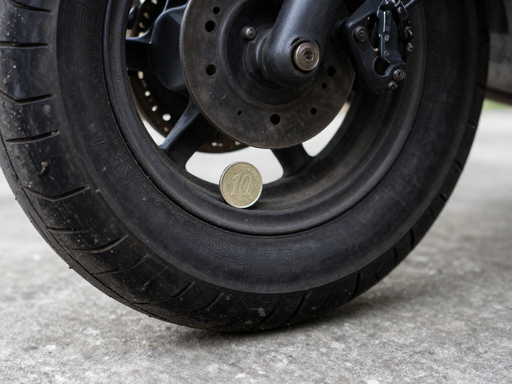
Next, give the tyres a proper once-over. Tread depth is crucial here; place a 10 sen coin into the groove with the ‘Sen’ wording facing you. If the lettering is fully visible, the tread is worn and the tyre needs changing soon. Also check for cracks, bulges, or cuts on both the tread and sidewalls.
Make sure all lights, mirrors, and signal indicators are firmly attached and free of cracks. A dangling mirror or a dim brake light might seem minor but can lead to bigger costs—and safety issues—down the road.
Finally, crouch down and scan the engine casing and transmission cover for any wet patches or greasy buildup. Even a small oil leak around the gaskets or drain plug can signal neglected maintenance. If you spot dark, damp areas, take a closer look and ask the owner when the last oil change was done.
Under the Seat and Basic Engine-Check
Open the seat compartment. A quick inspection reveals more than you'd expect. Look for moisture, which suggests poor sealing, and check for rust spots or missing tools (a complete toolkit is a good sign). Next, find the oil dipstick—usually near the engine. Wipe it clean with a rag, reinsert it fully, and pull it out again. The oil level should be between the marks, and the colour should be a clear golden brown. Dark, black oil or a milky appearance could mean neglected maintenance or internal issues.
If you can, inspect the spark plug wire and nearby wiring harnesses. Cracked insulation or electrical tape is a red flag for poor repairs. On a four-stroke scooter, glance around the engine casing for traces of coolant—green or pink stains indicate leaks. Finally, take a careful sniff inside the under-seat area. A strong petrol smell might signal a fuel leak from a loose hose or gasket.
Switch It On: Electronics and Dashboard Check
Turning the key is the first real test of the scooter’s electrical health. With the ignition switched on, watch the dashboard: all lights should illuminate briefly, the fuel gauge should move to indicate the actual level, and any warning lights should go off after a few seconds. A dashboard that stays dark or flickers may point to wiring problems or a failing battery.
Next, work through the lights and signals. Activate the headlight and toggle between high and low beam—both should be steady. Test the left and right signal lights, then press the horn. Have a friend or the seller help you check the brake lights: squeeze each brake lever while they confirm the tail light brightens. A single non-working bulb might be minor, but multiple failures could mean a deeper electrical fault.
Now, try the electric starter. The engine should crank immediately without hesitation or clicking sounds. If it struggles, the battery may be weak or the starter motor could be worn.
Don’t skip the safety interlocks. Flip the kill switch to the off position and confirm the engine will not start. Then, with the side stand down while in gear, the engine should also cut off if your scooter has this feature. These simple checks prevent dangerous surprises later.
Finally, if the scooter includes a USB charger or power socket, plug in your phone or a device to verify it delivers power. Even minor electrical issues can add up, so this five‑minute check might save you from expensive repairs down the road.
Engine Start, Idle, and Sound Check
Before you touch the starter, ask the seller not to warm up the scooter. A genuinely cold engine can reveal starting problems, worn components, or poor tuning.
When you press the starter, listen closely. A healthy engine should crank eagerly and settle into a steady idle without excessive noise. Rattles, knocks, or loud ticking could point to internal wear, loose parts, or valve issues.
Watch the exhaust once the engine fires.
- Blue smoke suggests oil is being burned, often from worn piston rings or valve seals.
- White smoke can mean coolant leaking into the combustion chamber (a serious problem) or simply condensation if the engine is cold and the weather is damp. Prolonged white smoke after warm-up is a red flag.
- Black smoke usually indicates an overly rich fuel mixture, which might be a carburettor or sensor fault.
Let the scooter idle for a couple of minutes. The revs should remain stable without stalling or surging. Then, gently blip the throttle — the response should be crisp, with no hesitation, popping, or backfiring.
Finally, sit on the bike, apply the rear brake firmly, and listen again. The engine should not stumble or threaten to stall. A smooth idle under brake load suggests the engine is well-tuned and can handle typical stop-start riding.
FAQ
Can I test ride a used scooter before buying in Malaysia?
In Malaysia, test rides are usually allowed but many private sellers request to hold the full cash amount or your identification for security. Always ensure you have a valid riding license, and if possible, test the scooter in a safe, low-traffic area to assess brakes, acceleration, and handling.
What mileage is too high for a used scooter in Malaysia?
For common Malaysian scooters like the Yamaha NVX or Honda Vario, mileage above 50,000–60,000 km may indicate more frequent part replacements or engine wear. However, a well-maintained scooter with higher mileage can still be reliable, so focus on service history rather than just the odometer reading.
How do I know if the scooter has been in an accident?
Look for mismatched paint, uneven panel gaps, weld marks on the frame, or replaced parts that seem newer than the rest. Also check for bent handlebars, forks, or swingarm, and ask the seller directly while observing their reaction—accident history is often not disclosed voluntarily.
What documents should I check before buying a used scooter?
Verify the original registration card (Vehicle Ownership Certificate or VOC) matches the seller's identity and the scooter's chassis and engine numbers. Ensure road tax is valid and there are no outstanding summons or loans by checking with JPJ or a Puspakom report.
Is it worth getting a mechanic to inspect a used scooter?
Yes, a trusted mechanic can uncover hidden issues like engine wear, electrical problems, or frame damage that a non-mechanic might miss. Many sellers in Malaysia cooperate with a buyer-requested inspection at a workshop, often reimbursed by the buyer, giving you more confidence before purchase.