The Paperwork You Need When Buying a Scooter Secondhand
Breaking down each document step-by-step so you can confidently handle the legal transfer without surprises.
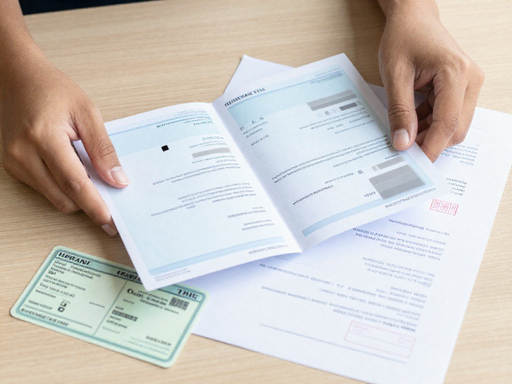
Ownership Certificate (Geran / V5)
The Vehicle Registration Certificate, commonly called the Geran or V5, is the single most important document when buying a secondhand scooter. The seller should have the original Geran in their possession. If they claim it is lost, be cautious—replacing it involves extra steps and could hide outstanding loans or ownership disputes.
Ask to see the original document in person. Take your time to verify three critical details against the physical scooter:
- Chassis number – Usually stamped on the frame, often under the seat or near the floorboard. It must match the number printed on the Geran exactly.
- Engine number – Located on the engine casing. Even a single character mismatch can cause big problems during ownership transfer.
- Current registered owner’s name – Must be the same as the name on the seller’s identity card (MyKad). If the Geran shows a different name, the seller is not the legal owner and cannot transfer the bike without the owner’s consent.
JPJ (Road Transport Department) generally requires the original Geran for ownership transfer. A certified copy or salinan disahkan is sometimes accepted, but only if the original has been misplaced and proper police reports and affidavits are provided. This process is far more tedious and time-consuming. Whenever possible, insist on buying a scooter with the original Geran readily available—it keeps your purchase straightforward and gives you peace of mind.
Puspakom Inspection for Ownership Transfer
When you buy a used scooter in Malaysia, the ownership transfer almost always requires a Puspakom inspection. This step confirms that the scooter is not stolen, cloned, or structurally unsafe, and that its identification numbers match official records. For privately owned scooters (those not used for business or public transport), you'll typically need a B2 inspection report. The B5 report is for commercial vehicles, so it's not relevant unless the scooter has an unusual registration status.
The inspection report is valid for only 30 days from the date of issue. That means it's best to book the inspection only when you're serious about the purchase, and complete the JPJ ownership transfer within that window. If the report expires, you'll have to pay for a new one.
Scheduling is straightforward. You can book a slot online through the MyPuspakom portal or app, or simply walk in at selected branches. As of now, the fee for a scooter inspection is usually RM30, though it's wise to confirm the latest rate. Bring along your identity card, the original vehicle registration card (geran), and the scooter itself. Slots can be competitive at busy branches, so plan ahead. During the inspection, the officer will verify the chassis and engine numbers, check the scooter's condition, and look for signs of tampering. If everything is in order, you'll receive the report on the spot—ready to submit to JPJ alongside your other documents.
Once you have that B2 report in hand, you're one big step closer to legal ownership. Just keep an eye on the 30-day validity and make sure you don't let it slip away.
Motor Insurance: What You Must Have
Before you can complete the ownership transfer, Malaysian law requires you to have at least third-party motor insurance in your name. This covers bodily injury or death to others and damage to their property. Without valid insurance, you cannot legally transfer the vehicle or renew its road tax.
To purchase the insurance, you’ll need the scooter’s registration number and the current owner’s details from the geran (V5). Most insurers and agents will accept a clear copy or photo of the geran. You can buy coverage online through comparison sites like Bjak or EasyCover, or directly from insurers’ websites. Alternatively, visit a nearby agent—they’ll guide you through the forms and premiums. As long as the policy is under your name, you’re set.
When it comes to coverage, you have two main options. Third-party only is the minimum required and typically the cheapest. It’s sufficient for most budget scooters, especially if the bike’s market value is low. However, if your scooter is newer or more valuable, consider comprehensive insurance. This adds protection for accidental damage, fire, and theft. Some comprehensive policies also include special perils like flood—important in our Malaysian weather. While comprehensive costs more, it can save you from large repair bills.
Always keep a digital and printed copy of your cover note after purchase. You’ll need to show proof of insurance when submitting the transfer forms at JPJ.
Current Road Tax (LKM)
Every vehicle in Malaysia must have a valid road tax, and scooters are no exception. Before you hand over any money, confirm the road tax status. You can check the expiry date instantly via the MyJPJ app by entering the registration number; it shows the digital road tax with the exact validity period. If the seller hands you a physical disc, cross-check the date against the app—physical stickers can be outdated if the tax was recently renewed online.
A expired road tax blocks the ownership transfer. JPJ requires the road tax to be valid at the point of transfer; you cannot process the change of ownership with an outstanding expiry. If it has lapsed, the seller must renew it first, or you can agree to bear the cost yourself—but the transfer will only proceed once the system shows a live status. Be aware that renewing after expiry means paying a pro‑rated amount from the date of lapse, plus any late‑renewal charges if the grace period has passed.
Renewal is straightforward. The seller (or you, with their cooperation) can use the MySikap portal on JPJ’s website, the MyJPJ app, or any JPJ counter or kiosk. Have the vehicle registration card handy—you’ll need the number. Payment is usually by online banking or card. Once done, the digital record updates immediately, and you can verify it again in the app before proceeding with the transfer. It’s a small step that saves a lot of hassle later.
JPJ Ownership Transfer: Forms, Fees & Process
Once you have all the prerequisite documents—the geran, a valid Puspakom inspection report, your insurance cover note, and current road tax—it’s time to officially transfer ownership at JPJ. This is the final and most important paperwork step.
Start by completing the TM-1 form (also known as JPJ K3E). Both buyer and seller need to fill in their details and sign it. The form captures information from the Geran and both parties’ MyKad, so have everything on hand. Double‑check that the engine and chassis numbers match exactly what’s on the Geran and the Puspakom report.
The transfer fee depends on your scooter’s engine capacity. For most everyday scooters up to 150cc, it’s a flat RM100. Larger capacities incur higher fees—for example, RM350 for bikes above 250cc. Stamp duty on the sale agreement is minimal, typically just RM10. You can pay these fees at the JPJ counter.
If both buyer and seller have MyKad, you can avoid the queues by using the MySikap online portal (e‑auto). The seller logs into their MySikap account, initiates the transfer, and uploads scanned copies of the required documents. The buyer then logs in to accept the transfer and make payment. The system will update ownership almost instantly. Not all cases are eligible—for example, if the Geran has a loan endorsement or the bike is from out‑of‑state, you may still need to visit a counter.
Documents to submit (or upload) for a successful transfer: - Original Vehicle Ownership Certificate (Geran) - Completed TM-1 form - Puspakom inspection report (B2 or B5, depending on bike age) - Valid insurance cover note (with buyer’s name as owner) - Current road tax (LKM) - MyKad of both buyer and seller - Sale and purchase agreement (optional but recommended, especially for stamp duty)
Over‑the‑counter processing usually takes a few hours to one working day, provided all documents are correct. Once approved, you’ll receive a new Geran in the buyer’s name, and the road tax will reflect the new owner at the next renewal. Keep copies of everything for your records—this paperwork is your proof of ownership on two wheels.
Sales Agreement & Safety Checks
A simple sales agreement protects both you and the seller when buying a secondhand scooter. Even if the deal seems straightforward, a written record ensures clarity and can prevent disputes later.
Your basic contract should include: - Full names and IC numbers of both parties. - Scooter details: make, model, year, registration number, chassis number, and engine number. - Agreed sale price and payment method (cash, bank transfer, etc.). - A statement declaring the seller is the legal owner and the scooter is free from loans or legal claims. - Signatures of both parties with the date.
You can find ready-made templates online, but a handwritten agreement on plain paper is acceptable as long as it captures all key points.
Before handing over any money, physically compare the chassis and engine numbers on the scooter with those on the Geran (ownership certificate). They must match exactly. Even a single digit off can cause headaches at JPJ during the ownership transfer. Check the grant for any alterations—faded ink or obvious overwriting can be a warning sign.
Watch out for these red flags: - The seller’s name does not match the registered owner on the Geran. - Missing documents like the original Geran, road tax, or Puspakom inspection report (if required). - An unrealistically low price that seems too good to be true—this often hides stolen bikes or cloned identities.
Taking half an hour to draft a contract and verify numbers can save you from fraud, financial loss, and a scooter you can’t legally ride.
FAQ
Do I need the original grant for ownership transfer?
Yes, the original vehicle ownership certificate (VOC or grant) is mandatory. The seller must hand over the original signed document for JPJ to process the transfer. A copy will not be accepted.
How long does the JPJ transfer process usually take?
With all documents ready and Puspakom inspection if needed, the transfer is usually completed within one working day. Delays may occur if paperwork is incomplete or during peak hours.
Can I use a copy of the road tax?
For ownership transfer, JPJ typically requires the original road tax disc as proof of valid registration. A copy alone is insufficient, so ensure the seller provides the original.
What if the scooter has no current insurance?
You must purchase a new insurance policy in your name before JPJ can process the transfer. Riding without insurance is illegal, so arrange coverage immediately upon purchase.
Is a Puspakom inspection required for all scooter models?
No, Puspakom inspection is only required for scooters over three years old when transferring ownership. Newer scooters are exempt unless specifically requested by JPJ.