Why Does My Scooter Make That Noise? Diagnosing Common Engine and Belt Sounds
You're cruising along on your trusty scooter, but suddenly an unfamiliar noise interrupts the rhythm. Is it normal or a sign of trouble? This guide will help you decode every clunk and squeal.
Understanding Your Scooter’s Everyday Sounds
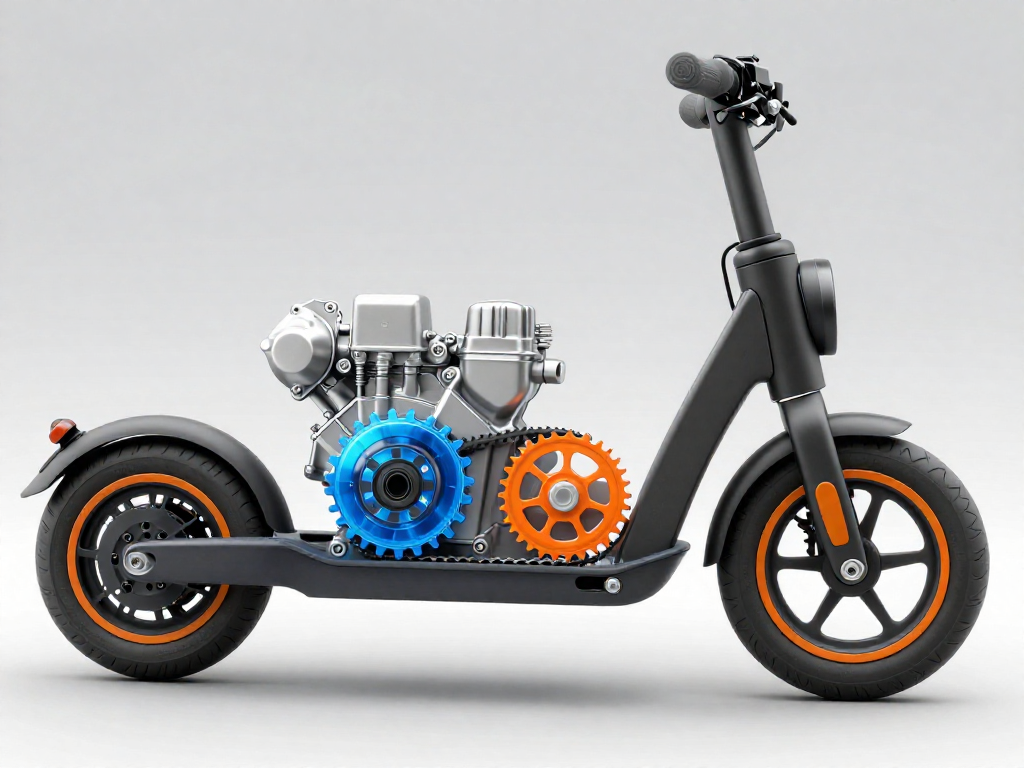
Most scooter problems reveal themselves through sound long before you feel a performance drop. A metallic tapping can indicate valve clearance issues, while a severe belt slap often presages an imminent failure. But distinguishing the warning signs starts with recognizing your bike’s baseline acoustics.
A well-tuned scooter at idle produces a consistent, muffled thrum. The CVT transmission remains virtually silent at a standstill, and the exhaust note is smooth and rhythmic. As you open the throttle, a rising whir from the belt and variator is perfectly normal—it’s just the components spinning up. During deceleration, you might hear a light flapping or slapping from the belt; this is standard on many models, especially older ones, and only becomes a concern if it turns into a jarring rattle.
Keep in mind that scooter engines are inherently noisier than those in cars. Without layers of sound insulation and with the powertrain directly beneath you, every mechanical tick is amplified. What seems loud in an enclosed car park may be entirely typical for that model. Some scooters, like fuel-injected 150cc types, are almost whisper-quiet, while air-cooled 50cc units buzz with a higher pitch.
Learn your scooter’s voice during the first few weeks of riding. Pay attention to how it sounds when cold versus fully warmed up, and note the difference between gentle cruising and hard acceleration. That mental library is your best diagnostic tool.
Engine Knocking, Tapping, and Hissing: What They Signal
A healthy scooter engine should purr, not protest. When subtle rhythms turn into sharp knocks, rhythmic taps, or airy hisses, your scooter is telling you something’s wrong — and ignoring it can turn a cheap fix into a blown engine. These sounds aren’t just annoying; they’re diagnostic clues. Learn to read them, and you’ll know when to pull over immediately versus when you can ride to a workshop.
Knocking: The Deep, Metallic Rap
A deep, metallic knock that intensifies under acceleration often points to one of three culprits. The most common in Malaysia is low-octane fuel causing detonation — the fuel-air mix ignites unevenly, hammering the piston. Switch to RON97 for a tank or two and see if the sound fades. If it persists, carbon deposits on the piston crown or cylinder head could be creating hot spots that pre-ignite the fuel. A mechanic can decarbonise the engine, which is labour-intensive but effective. The fear you don’t want confirmed is a worn big-end bearing: a heavy, bottom-end knock that worsens with revs and doesn’t quieten when warm. That’s a full rebuild, and riding further will scrap the crankshaft. Stop immediately if the knock is loud, deep, and grows aggressive with throttle.
Tapping: Lighter but Rhythmic
A rhythmic tap-tap-tap, faster as revs rise, usually comes from the top end. Valve clearances that are too wide will produce a tappy sewing-machine sound, most audible at idle. It’s not an emergency, but get it adjusted soon — loose clearances hammer the valvetrain and reduce power. On a four-stroke scooter, a failing cam chain tensioner creates a rattly tap that comes and goes with engine load; it’s often mistaken for tappets. If the sound is more of a hollow slap that quiets as the engine warms, suspect piston slap from a worn bore or piston skirt. That’s a teardown, but you can nurse it for a while if you keep revs low. All these tapping noises demand a workshop visit, not the roadside, unless they’re joined by metal shavings in the oil or a sudden loss of power.
Hissing: Air Escaping Where It Shouldn’t
A hiss or whistle under the seat usually means a vacuum leak. Cracked intake manifold rubbers are notorious on scooters that bake in Malaysian heat; the engine will idle erratically and stumble off the line. A quick test: with the engine idling, spray soapy water around the intake joints. Bubbles pinpoint the leak. A blown exhaust gasket hisses more aggressively under throttle and often chirps. Both leaks upset the air-fuel ratio, so fix them promptly — running lean overheats the engine and burns valves. A hiss from the fuel cap area might be normal tank venting, but if it’s accompanied by a fuel smell, check for a cracked vacuum line to the evaporative emissions canister (if your model has one).
When to Stop Right Now
Some noises bring company: a knocking that’s suddenly joined by a flickering oil pressure light or a sharp rise in the temperature gauge is a five-alarm fire. Overheating can warp the head, and oil starvation will seize the engine in seconds. If your scooter’s oil light glows at idle or flickers during cornering, the pressure is critically low — likely from a clogged pickup or low oil level. Pull over, kill the engine, and don’t restart until you’ve checked the dipstick. A hissing sound paired with steam from under the seat signals a coolant leak on liquid-cooled scooters; that’s a tow job. The rule is simple: deep knocks plus warning lights equal immediate stop. Tapping and hissing alone mean ride directly to a trusted workshop, keeping the revs gentle. Your ears are your first line of defence — use them, and you’ll keep your scooter running sweetly through countless Malaysian commutes.
Belt and CVT Squeals, Rattles, and Slaps: Decoding Drive System Sounds
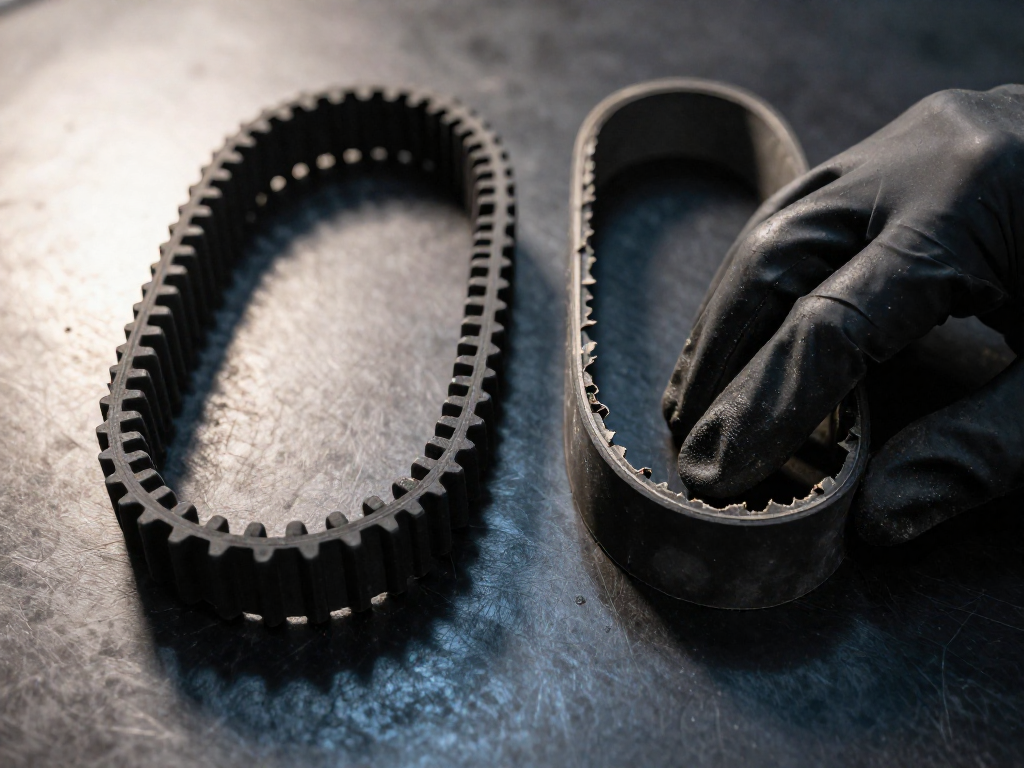
Your scooter’s continuously variable transmission (CVT) is a symphony of spinning parts, and when it starts making unexpected noises, it’s rarely a false alarm. A high-pitched squeal when you twist the throttle almost always points to a worn, glazed, or loose drive belt. The belt slips against the pulley faces instead of gripping, and the friction creates that unmistakable shriek. If you catch it early, a simple belt replacement or adjustment of the variator pulley alignment might silence it. Ignore it, and the glazing will only worsen, eventually leading to a snapped belt that can lock the rear wheel at speed—an avoidable danger.
A rattling or tapping sound at idle or just off idle is another classic CVT complaint. This usually comes from loose variator rollers or a worn ramp plate. Over time, the rollers develop flat spots or the plastic guides in the variator wear down, allowing the weights to dance around instead of smoothly sliding outward. You might also hear a metallic clatter from a failing clutch bearing if the noise is more rhythmic and tied to rear wheel rotation. Don’t confuse this with the normal light ticking of a healthy engine; a CVT rattle is louder and feels like something is loose inside the transmission cover.
Belt slap—a flapping or slapping sound during deceleration—can be perplexing. In many scooters, a cold belt will slap against the case slightly as you roll off the throttle, and that’s usually harmless if it goes away after a few minutes of riding. However, a persistent slap that grows louder or appears even when the engine is warm indicates the belt has stretched beyond its service limit or the torque spring in the rear pulley is weakening. Both scenarios reduce the belt’s tension, causing it to bounce abnormally. Get it checked before the belt derails from the pulleys.
A grinding noise when moving is the most ominous. It frequently signals a failing bearing inside the CVT—either on the countershaft or the clutch assembly—or it can stem from low or contaminated gear oil in the final drive. The sound changes with road speed, not engine RPM, which helps you pinpoint it to the transmission rather than the engine. Since a seized bearing can destroy the transmission case, don’t ride with a grinding noise; have the scooter inspected by a mechanic who can open the CVT cover and assess the bearings before catastrophic damage occurs.
Any unusual CVT noise deserves immediate attention. Belt breakage isn’t just an inconvenience; it can cause a sudden rear wheel lockup, especially if the belt bunches up inside the case. If you hear a new squeal, rattle, or grind, park the scooter and remove the CVT cover—typically a simple job with basic tools. Check for cracks, glazing, or uneven wear on the belt, and spin the variator and clutch by hand to feel for roughness. Being proactive here keeps you safe and saves you from a much costlier repair down the road.
Quick Diagnostic Flowchart: From Sound to Solution
The trick to narrowing down a new noise is noting when it appears. Does the pitch rise with road speed, or does it follow engine rpm? A sound that only emerges while braking usually points to the front end, not the engine. Ask yourself these questions before jumping to conclusions.
Once you have a rough idea, use this quick-reference table to match the symptom to a likely culprit. Remember, these are common scenarios—not a substitute for a mechanic’s trained ear.
| Noise | Possible Cause | Immediate Action | Long-Term Fix |
|---|---|---|---|
| High-pitched squeal under acceleration | Glazed or worn CVT belt | Ease off the throttle; avoid hard takeoffs | Replace belt, inspect variator and clutch surfaces |
| Rattle at idle or low speed | Loose heat shield, worn roller weights, or tired clutch springs | Check for obvious loose parts; if persistent, don’t ignore | Tighten heat shield; replace rollers / clutch parts as needed |
| Knocking or pinging under load | Low-octane fuel, carbon deposits, or early bearing wear | Switch to RON97; if knocking is loud, stop riding | Decarbonize engine; overhaul bottom end if bearings are shot |
| Hissing after engine shutoff | Coolant drip on hot metal or vacuum leak | Note coolant level—top up if low and monitor | Pressure-test system; repair leak or replace gaskets |
| Slapping sound from transmission cover | Stretched belt slapping case or worn variator guides | Listen if it gets worse with passenger or uphill; avoid sustained high speed | Replace belt, inspect variator and guide sliders |
If the noise doesn’t match any of these or gets suddenly louder, park it and call your workshop. A small fix today saves a breakdown tomorrow.
When to Park It and Call a Mechanic
Continuous loud knocking with a drop in power, a lit oil pressure warning alongside any new noise, or metal shavings in the oil demand an immediate stop. A burning rubber smell, visible belt dust, or grinding from the CVT signals a belt on the verge of snapping—ride further and you risk a locked rear wheel. Any noise that arrives with wobbling, vibration, or handling quirks means the bike is unsafe; shut it down and call for a tow.
FAQ
Why does my scooter make a knocking sound when accelerating?
A knocking sound when accelerating often points to using fuel with too low an octane rating, causing engine knock. In Malaysia, always use RON95 or higher as recommended by most scooter manufacturers; if the noise persists, have a mechanic check the ignition timing and carbon buildup.
Is a rattling sound from the engine area always the belt?
A rattling sound from the engine area is not always the belt; it could also come from a loose variator, worn roller weights, or a failing clutch bearing. Inspect the CVT cover for any loose components, and if the rattle increases with revs, it’s likely the variator rather than the belt itself.
Can I still ride my scooter if I hear squealing?
It’s not safe to ride with a persistent squealing noise because it may indicate brake pad wear or a slipping drive belt. Stop and check for obvious issues; if the sound comes from the brakes, you risk reduced stopping power—ride slowly to a workshop.
How do I know if my scooter belt needs replacing?
You know your scooter belt needs replacing when you see visible cracks, fraying, or a glazed surface, or if you experience slipping during acceleration. Most manufacturers suggest replacement based on mileage—check your owner's manual for the interval and don't ignore a sudden drop in performance.
What causes a hissing noise when I accelerate?
A hissing noise during acceleration is typically a vacuum or exhaust leak—check for loose hoses, a cracked intake manifold, or an exhaust gasket leak. It could also be a tire losing air; inspect for debris in the tread and ensure your exhaust connections are tight.
Should I be worried about a slapping sound when I slow down?
Yes, a slapping sound when slowing down should be checked, as it often means your drive belt is too loose and flapping inside the CVT cover. Riding with a loose belt can lead to it snapping and damaging other components, so have it adjusted or replaced promptly.
How often should I check my scooter for unusual noises?
Make it a habit to listen for unusual noises before every ride and during your weekly scooter check, especially after riding through rain or rough conditions. Pay attention while idling, accelerating, and braking; early detection can prevent costly repairs and keep you safe on Malaysian roads.