When and How to Prune Balcony Container Plants for Better Growth
Start by addressing the common fear of cutting plants, then reveal how a simple snip can transform a scraggly balcony garden into a lush, productive oasis. Paint a before-and-after picture to hook the reader.
Why Pruning Matters for Balcony Container Plants
Pruning isn't just about tidying up—it's one of the most powerful ways to shape how your balcony plants grow and produce. When you snip away spent flowers, leggy stems, or overcrowded branches, you send a clear signal to the plant: “Put your energy here instead.” That redirected energy fuels fresh, vigorous growth exactly where you want it.
For balcony gardeners, this means bushier herbs with more leaves to harvest, flowers that keep blooming instead of going to seed, and vegetable plants that yield more fruit. Good pruning also improves airflow between leaves, which helps prevent diseases like powdery mildew—especially important in the humid, close quarters of a container garden. Plus, with limited square footage, keeping plants shapely and compact keeps your balcony from turning into a jungle and makes every pot count visually.
Think of pruning as a conversation with your plants—a little snip here and there tells them to branch out, fill in, and focus on what you love most. Whether you're growing basil, cherry tomatoes, or a cascading petunia, a few well-timed cuts can make the difference between a scraggly plant and a lush, productive centerpiece.
When to Prune: A Timing Guide by Plant Type
Getting the timing right can make all the difference in how your balcony plants respond to pruning. Each type of plant has its own rhythm, and learning those natural cues will help you prune with confidence—not guesswork.
Herbs: Snip Early and Often
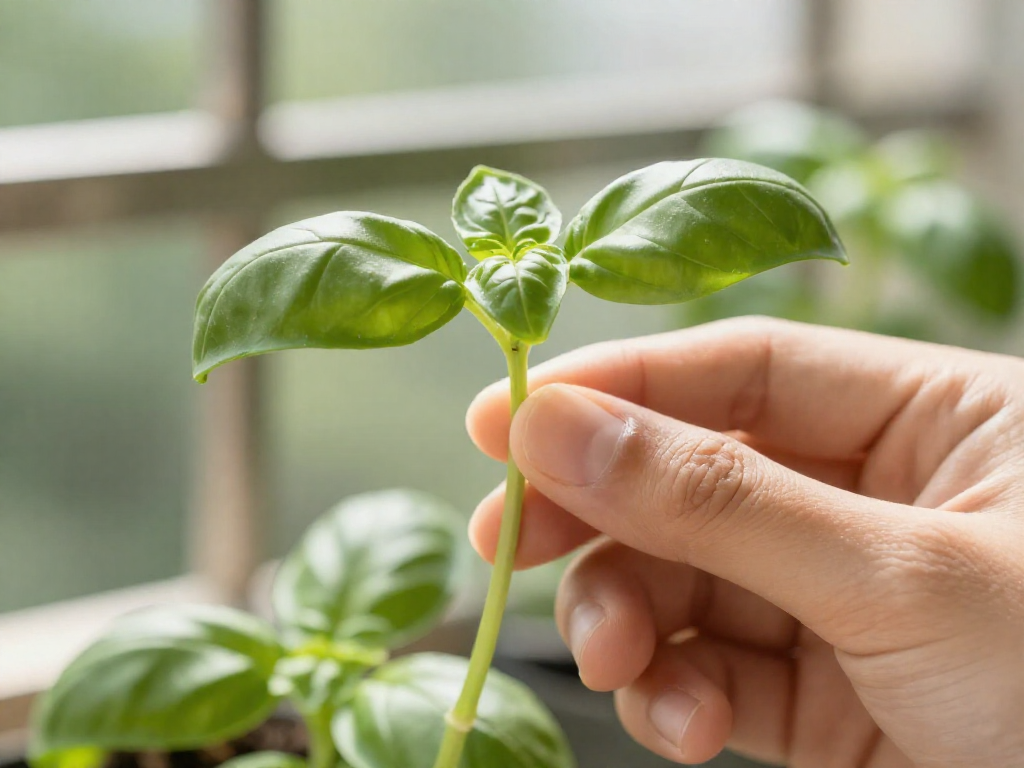
Herbs thrive on regular, light pruning. When seedlings reach about 4–6 inches tall, pinch back the tips just above a set of leaves. This encourages bushy, compact growth instead of a single leggy stem. Continue harvesting and pinching throughout the growing season—frequent small cuts are better than one drastic trim. Avoid heavy pruning in late fall, as tender new growth won’t harden off before cooler temperatures arrive. Basil, mint, oregano, and cilantro are especially responsive to this routine.
Flowering Annuals: Deadhead and Rejuvenate
The secret to a nonstop flower show is removing spent blossoms before they set seed. Check your annuals every few days and snip off faded flowers, cutting back to just above the next set of healthy leaves. By midsummer, many flowering annuals like petunias, calibrachoa, and lobelia can become leggy. Don’t be afraid to cut them back by one-third to one-half—they’ll bounce back with fresh foliage and a burst of blooms within weeks. This midsummer cutback also prevents the plant from becoming scraggly and unruly on a small balcony.
Vegetables: Train and Tidy
For balcony vegetables, timing depends on the variety. Indeterminate tomatoes (vining types) need regular attention: remove suckers—the small shoots that appear in the crotches between the main stem and branches—when they’re still small and easy to pinch off. This directs energy into fruit production rather than excess foliage. For leafy greens like lettuce, kale, and Swiss chard, harvest the outer leaves often, starting when they reach a usable size. This “cut-and-come-again” method keeps plants productive and prevents bolting. Bushy determinate tomatoes and peppers need minimal pruning, only an occasional tidy-up of damaged or crowded branches.
Perennials and Shrubs in Pots: Respect the Bloom Cycle
Perennials and ornamental shrubs in containers follow the same rules as their garden counterparts, but pot confinement may slow their growth. For spring bloomers like lavender, rosemary, or dianthus, prune lightly after flowering to shape the plant and encourage bushiness. Summer and fall bloomers, such as dwarf salvias or perennial herbs, can be pruned in early spring before new growth begins. The key is knowing when the plant sets its flower buds—prune too early or too late, and you might cut them off. When in doubt, wait until after the bloom period to prune, and never remove more than one-third of the plant at a time. A gentle hand and good timing will keep your container perennials healthy and full of flowers for many seasons.
Essential Pruning Tools for Small-Space Gardeners
Good news: you don’t need a shed full of gear to keep your balcony plants well-pruned. A few carefully chosen tools will handle nearly every job, and they’re easy to store in a small basket or wall-mounted pouch. Here are the must-haves for apartment-friendly pruning:
- Bypass pruners – These are your everyday workhorses. Look for a compact, sharp pair that fits comfortably in your hand. Bypass blades make clean, healthy cuts on stems up to about ½ inch thick, which covers most balcony herbs, flowers, and compact veggies.
- Micro-tip snips – When you’re working with delicate herbs (like basil or cilantro) or fine stems, small precision snips give you control without damaging neighboring leaves. They’re perfect for pinching back and harvesting, too.
- Gardening gloves – Even on a balcony, prickly stems and sticky saps can find you. A lightweight, breathable pair protects your hands and keeps cleanup simple.
- Cleaning supplies – This one’s often overlooked but so important. Keep a small spray bottle of rubbing alcohol or a pack of disinfectant wipes handy. Wipe down your blades between plants—especially if you’re pruning anything that might be sick—to stop disease from spreading across your container garden.
Think of these tools as an investment in healthier, happier plants. With just a little care and a regular dip in alcohol, they’ll stay sharp and effective for seasons to come.
Step-by-Step Pruning Techniques for Common Balcony Plants
Herbs (Basil, Mint, Cilantro)
Herbs thrive with regular pinching. When a stem has several leaf pairs, use your fingertips or clean snips to pinch just above a leaf node—the spot where two leaves meet. This encourages branching and fuller growth. For basil and cilantro, watch for flower buds appearing at the top. As soon as you see them, cut the entire flowering tip back to the next lower set of leaves. This keeps the plant focused on leaf production instead of going to seed. Mint can get leggy fast, so pinch it back by about a third every few weeks to maintain a compact shape and stimulate fresh, aromatic leaves.
Bushy Flowers (Petunias, Geraniums)
Deadheading is essential for continuous blooms. Snip off faded flowers just above the first set of healthy leaves beneath the bloom. This prevents the plant from wasting energy on seed pods. If your petunia or geranium looks stretched out, give it a rejuvenating cut: trim back one‑third of the stems to a point right above a leaf node. In a couple of weeks, you’ll see dense new growth and a fresh burst of color. For geraniums, also remove entire spent flower stalks at the base with a sharp, angled cut to keep the plant looking tidy and vigorous.
Tomatoes
Tomatoes need careful sucker management. A sucker is a small shoot that appears in the crotch between the main stem and a branch. Remove it while it’s small by pinching it off with your fingers. If it has grown thicker, use pruners to cut it cleanly at a 45‑degree angle just above the branch collar. This angle sheds water and helps prevent disease. For determinate varieties, prune only enough to maintain air circulation; indeterminate types can handle more aggressive sucker removal. Always keep a few leaves over developing fruit to shield them from sunscald.
Chilies and Peppers
Early tip‑pruning works wonders for peppers. When the plant reaches 6–8 inches tall, pinch or snip off the very top growing tip just above a set of leaves. This prompts the plant to branch low, creating a sturdier structure and more fruiting sites. When harvesting, hold the stem with one hand and use scissors or pruners to cut the pepper about half an inch above the green cap (calyx). A gentle twist can also release it, but never yank—pulling can snap branches. Regular harvesting encourages the plant to produce more pods.
A Universal Pruning Rule
No matter which plant you’re working on, always cut just above a leaf node or an outward‑facing bud, at a 45‑degree angle. This clean, slanted cut lets water run off, reducing the risk of rot, and directs new growth outward for an open, healthy shape. It’s a simple habit that makes a huge difference in the long‑term health and appearance of your balcony garden.
Aftercare: How to Help Plants Thrive After Pruning
After pruning, your plants need a little extra TLC to bounce back stronger. The key is to minimize stress while encouraging healthy new shoots.
Start by giving them a thorough drink. Water until it flows from the drainage holes, but don't let pots sit in standing water—balcony trays can quickly become soggy. Pruning can slightly increase water needs, so check the soil daily and water again only when the top inch feels dry.
Wait about a week before fertilizing; freshly cut tissues are sensitive. Then, apply a balanced, water-soluble fertilizer mixed at half the recommended strength. This gentle boost supports regrowth without overwhelming the plant. Look for formulas with equal N-P-K ratios, and always follow the label for dilution, then cut that amount in half.
Keep a close eye on pruning cuts and new foliage. Fresh wounds can attract pests or fungal issues, especially in humid balcony corners. If you spot aphids, mites, or discolored leaves, isolate the plant and treat it with insecticidal soap or a gentle neem oil spray. Clean your pruning tools after every use to prevent spreading problems between plants.
Light is crucial for recovery. Move sun-lovers like basil, geraniums, or peppers to the brightest spot on your balcony to fuel regrowth. If a heatwave hits right after pruning, give them a bit of afternoon shade for a day or two to avoid scorching tender new leaves. Grouping plants together can create a microclimate with higher humidity, which helps reduce stress.
With these simple steps, you'll see fresh buds and stronger stems in no time. Gentle care after pruning turns a small setback into a growth spurt, keeping your balcony garden lush and vibrant.
FAQ
Can I prune my plants with regular scissors?
Yes, but only if they are sharp and clean to prevent tearing stems and spreading disease. For thicker stems, bypass pruners are a safer, more effective choice. Always disinfect blades with rubbing alcohol before and after use.
How often should I prune my balcony herbs?
Most leafy herbs like basil, mint, and cilantro benefit from light, frequent trims every 1-2 weeks during active growth. Regularly pinching off tips encourages bushier plants and delays flowering that turns leaves bitter. Woody herbs like rosemary need less frequent shaping, just occasional tip pruning.
What time of day is best for pruning container plants?
Prune in the early morning when plants are fully hydrated and temperatures are cooler. This reduces stress and gives plants all day to recover before nighttime. Avoid pruning in the heat of midday or when plants are drought-stressed.
Will pruning really make my plants bushier?
Yes! Pruning stimulates dormant buds below the cut, encouraging lateral branching. On a balcony, this compact, full growth helps maximize your limited space and creates a lush display. Just always cut just above a leaf node facing outward.
Is it okay to prune flowering plants while they’re blooming?
It's best to wait until after the flush of blooms has faded to avoid disrupting the show. Light deadheading of spent flowers can encourage more blooms, but heavy pruning mid-bloom may reduce overall flowering. Save major shaping for post-bloom or early spring, depending on the plant.
How do I know if I’ve pruned too much?
Signs include stunted new growth, yellowing leaves, or long-term wilting. As a rule, never remove more than one-third of the plant’s total foliage in one session. If you suspect over-pruning, give the plant a period of rest with proper water and indirect light to recover.